THE ADVENTURE COLLECTIVE® · Independent discovery and booking for outdoor travel

A full-day 4x4 exploration from Gjirokastra to Butrint and the Blue Eye combines off-road tracks, citrus orchards, a UNESCO archaeological park and a crystalline spring. Expect remote villages, layered history, and a refreshing dose of raw southern Albanian nature.
A full-day 4x4 exploration from Gjirokastra to Butrint and the Blue Eye combines off-road tracks, citrus orchards, a UNESCO archaeological park and a crystalline spring. Expect remote villages, layered history, and a refreshing dose of raw southern Albanian nature.
You start before dawn in a low-slung 4x4, engine rumbling as the road dissolves into rutted tracks and wild olive scrub. Drino’s valley opens like a page of raw landscape—orchard terraces, stone villages leaning into the wind, and views that sharpen with each off-road switchback.
Verified experiences and guided adventures in the surrounding area.
Operated by Experience Gjirokastra · Gjirokastra, Gjirokastër County
You start before dawn in a low-slung 4x4, engine rumbling as the road dissolves into rutted tracks and wild olive scrub. Drino’s valley opens like a page of raw landscape—orchard terraces, stone villages leaning into the wind, and views that sharpen with each off-road switchback.
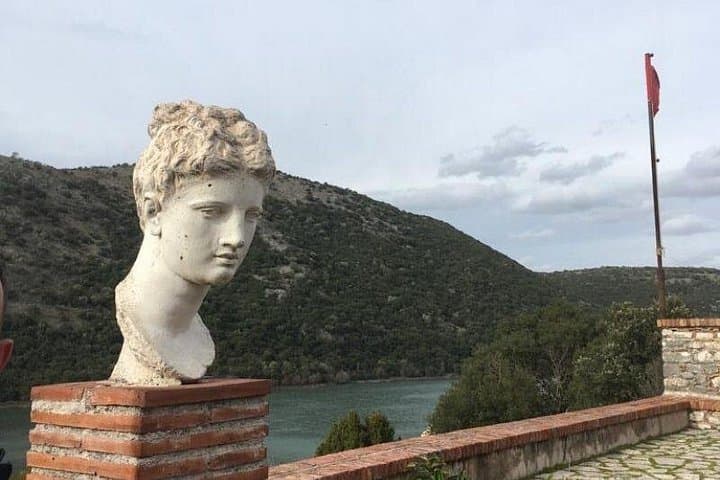
The route threads through citrus groves and past remote family restaurants where a simple lunch tastes of mountain herbs and slow-cooked lamb. Butrint arrives as a different kind of silence: an archaeological park where Greek, Roman, Byzantine and Venetian layers overlap on limestone ridges above a brackish lagoon. The stones themselves feel purposeful, weathered by centuries of trade and empire.
From ruins to water, the Blue Eye (Syri i Kaltër) is sudden—a spring whose sapphire throat seems to dare you closer. The water is eerily clear and ice-cold; currents whisper of subterranean caves and unexplored depths. Birdsong and marsh reed add a living border to the scene.
Practical guidance: plan for a full day—about nine hours—so bring at least 2 liters of water, sturdy shoes with good tread for archaeological paths and uneven trails, sun protection, and a light waterproof layer. Respect marked paths inside Butrint and avoid swimming at the Blue Eye unless local guides explicitly allow it; the spring is ecologically sensitive. Photography is excellent in late afternoon light when the setting sun follows your return along the ridge roads back to Gjirokastër.
The trip is approximately 9 hours and typically begins with pickup in Gjirokastra, returning there at the end of the day.
Entrance fees for Butrint and the Blue Eye are included with this tour, as noted in the itinerary inclusions.
Swimming is generally discouraged because the spring is very cold and ecologically sensitive; follow your guide’s advice and local regulations.
The tour is described as suitable for all fitness levels, but archaeological terrain and short walks to viewpoints may be challenging for limited mobility—check with the operator about specific accessibility needs.
Experience Gjirokastra operates guided outdoor trips and adventures with an emphasis on safety, stewardship, and memorable experiences.


You start before dawn in a low-slung 4x4, engine rumbling as the road dissolves into rutted tracks and wild olive scrub. Drino’s valley opens like a page of raw landscape—orchard terraces, stone villages leaning into the wind, and views that sharpen with each off-road switchback.
You start before dawn in a low-slung 4x4, engine rumbling as the road dissolves into rutted tracks and wild olive scrub. Drino’s valley opens like a page of raw landscape—orchard terraces, stone villages leaning into the wind, and views that sharpen with each off-road switchback.
The route threads through citrus groves and past remote family restaurants where a simple lunch tastes of mountain herbs and slow-cooked lamb. Butrint arrives as a different kind of silence: an archaeological park where Greek, Roman, Byzantine and Venetian layers overlap on limestone ridges above a brackish lagoon. The stones themselves feel purposeful, weathered by centuries of trade and empire.
From ruins to water, the Blue Eye (Syri i Kaltër) is sudden—a spring whose sapphire throat seems to dare you closer. The water is eerily clear and ice-cold; currents whisper of subterranean caves and unexplored depths. Birdsong and marsh reed add a living border to the scene.
Practical guidance: plan for a full day—about nine hours—so bring at least 2 liters of water, sturdy shoes with good tread for archaeological paths and uneven trails, sun protection, and a light waterproof layer. Respect marked paths inside Butrint and avoid swimming at the Blue Eye unless local guides explicitly allow it; the spring is ecologically sensitive. Photography is excellent in late afternoon light when the setting sun follows your return along the ridge roads back to Gjirokastër.