THE ADVENTURE COLLECTIVE® · Independent discovery and booking for outdoor travel

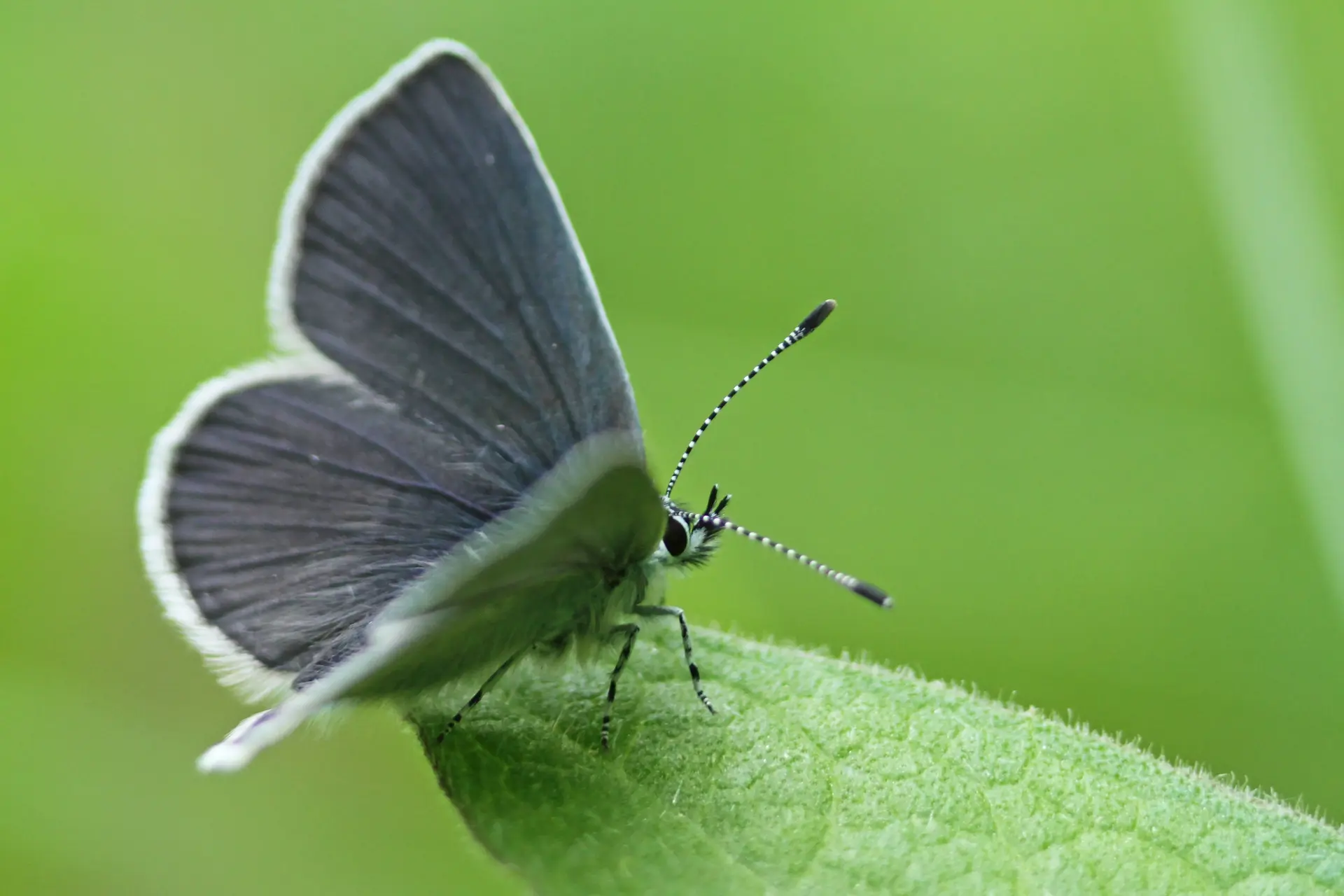
Spend an evening on the limestone slopes above Draycott searching for Chalkhill Blue, Adonis Blue, and day‑flying moths with an expert guide. Small groups and a scope for close views make this a great family outing and a focused naturalist experience.
Spend an evening on the limestone slopes above Draycott searching for Chalkhill Blue, Adonis Blue, and day‑flying moths with an expert guide. Small groups and a scope for close views make this a great family outing and a focused naturalist experience.
Book with WildSpace
Verified experiences and guided adventures in the surrounding area.
Operated by WildSpace · Draycott, England
On the southern slopes of the Mendip Hills near Draycott, England, the evening air hums with wings and the low churring of nightjars. Butterflies of the Blues - Somerset is a 2.5‑hour guided walk led by Wild Experience guide Nick that places you on nutrient‑poor limestone downland where chalk and limestone grassland produce an improbable abundance of specialist butterflies. Expect Chalkhill Blue, Small Blue, Common Blue, Brown Argus and Adonis Blue on warm afternoons, alongside Silver‑washed fritillary, Dark‑green fritillary, Clouded Yellow and day‑flying moths such as the Hummingbird hawkmoth and Scarlet Tiger.
The route begins at Parc Cwm Darran, with free roadside lay‑bys for parking, and follows an undulating, circular path across wildflower meadows and exposed limestone scars. The geology matters: thin soils over Carboniferous limestone favor low‑nutrient swards where kidney vetch, horseshoe vetch and other specialist plants feed caterpillars and concentrate butterfly populations. That tight link between substrate, flora and insects is what makes these slopes one of Somerset’s most productive lepidoptera habitats.
What sets this experience apart is the evening timing and the mix of species you can encounter. On clear evenings you may also pick up migrating warblers, redstarts and the silhouette of a red kite, while bats quarter the hedgerows as night falls. The group size is kept small—about ten people—so the guide can set up a scope for close views without disturbing the insects. Children aged six and up are welcome, making the walk a practical family outing for curious young naturalists.
Practical notes matter: wear sturdy shoes, bring binoculars and a camera, and use insect repellent and light, scent‑free clothing to improve your chances of sightings. The terrain is rugged in places and better suited to those comfortable on uneven ground; walking sticks are recommended if you need extra stability. Dogs are not permitted except assistance animals.
Beyond the butterflies, the walk is an education in land management and conservation: grazing regimes and low‑input farming maintain the flower‑rich swards that underpin the whole food web. Whether you come to photograph a rare Adonis Blue or simply to learn the churring call of a nightjar while the hills redden with sunset, this Mendip outing blends technical natural history with easygoing fieldcraft. It’s a compact, richly rewarding window into a fragile limestone ecosystem that’s rarely this accessible to visitors. Meet at Parc Cwm Darran where the guide will run through identification pointers, safety notes, and a brief primer on butterfly lifecycle and host plants before setting off. The pace is deliberate to allow scope views and macro photography; bring a small foldable stool if you shoot close-ups. Refreshments aren’t provided, so pack water and a snack for the 2.5‑hour stroll. Booking is limited; advance reservations recommended.
Meet at Parc Cwm Darran; the guide will brief the group before setting off. Free roadside lay‑bys are available for parking.
Children aged six and up are welcome; the walk suits families with school‑age children.
No pets except assistance dogs are permitted, to avoid disturbance to wildlife and other participants.
Terrain is hilly and uneven; walking sticks are recommended. The event has medium accessibility but is not wheelchair‑friendly.
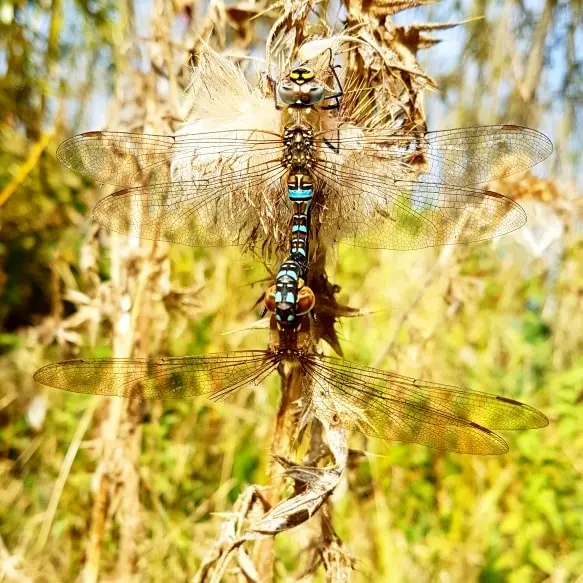
You may encounter day‑flying moths (e.g., Hummingbird hawkmoth), warblers, redstarts, red kite and bats at dusk.
Sightings depend on weather and season. The habitat is excellent for specialist species, but no sighting is guaranteed.
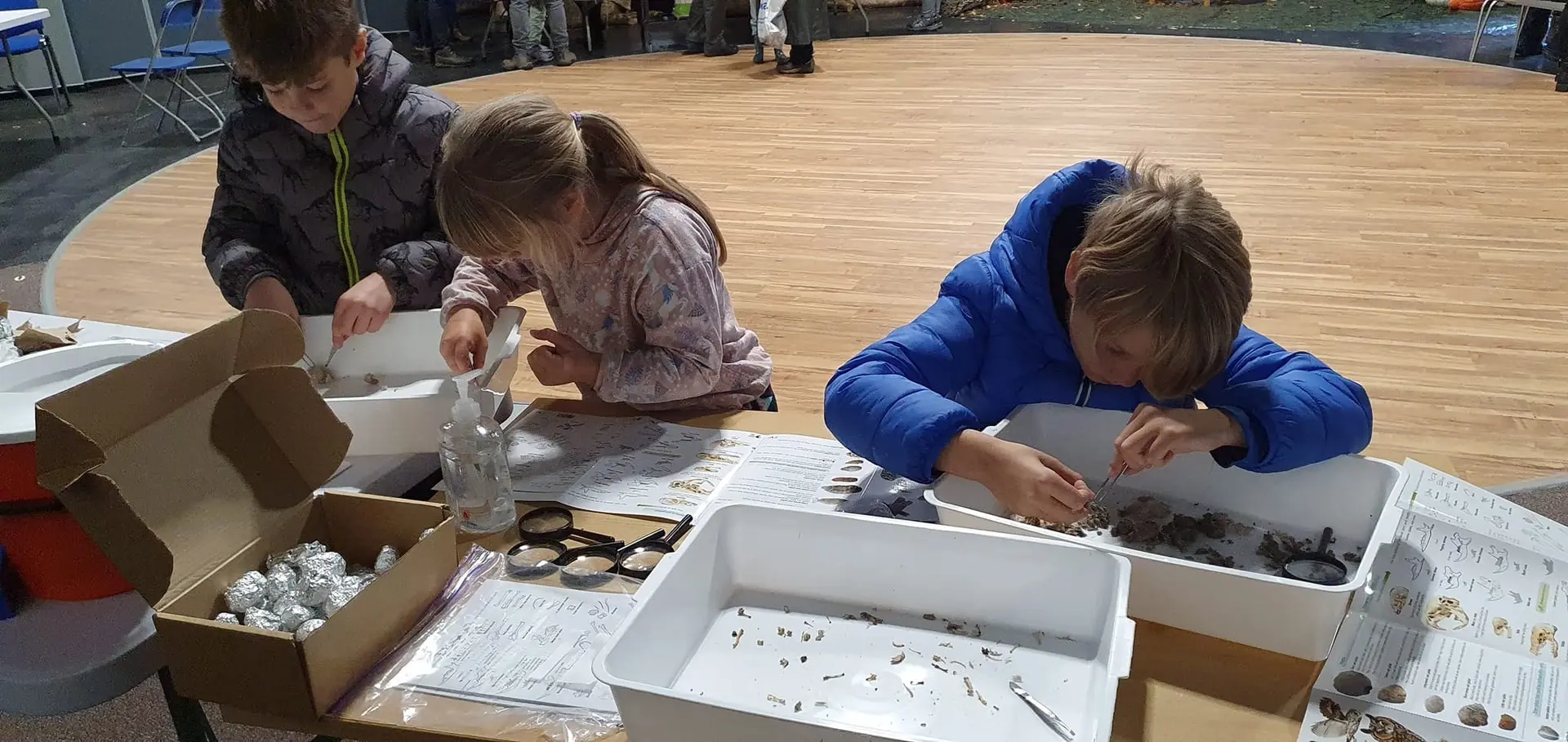
WildSpace is a Llanarthney, Wales-based nature education provider that runs hands-on science workshops focused on wildlife discovery. WildSpace offers two named experiences: the Science Workshop at Sea Trust Wales’ Ocean Lab in Pembs and the Science Workshop at Oriel y Parc. At the Sea Trust Ocean Lab workshop, WildSpace’s Wild Science team takes participants through marine and coastal wildlife discovery using special tools to uncover creatures and specimens. At the Oriel y Parc workshop, the Wild Science team explores nearby terrestrial and freshwater wildlife, using tools to reveal insects, plants and small animals and to explain scientific observations. Workshops are designed around direct observation, simple field techniques and practical, hands-on investigation. WildSpace-led sessions emphasize wildlife identification, the use of simple investigation tools and the scientific process of observing, recording and discussing findings. Each session uses the facilities and environments available at Sea Trust Wales’ Ocean Lab and at Oriel y Parc to create accessible learning opportunities. WildSpace presents factual, place-based science activities without embellishment. The business lists specific workshop locations and clear trip summaries so participants know what to expect in advance. Booking information and session details are provided through the event listings where the trips are offered. WildSpace describes activities in third person and relies on named locations and workshop titles for clarity. Published trip listings include: Science Workshop - Sea Trust Ocean Lab, Pembs, and Science Workshop - Oriel y Parc, each described with a brief summary noting the use of special tools and hands-on wildlife discovery methods.
Book with WildSpace