
Buzludzha Monument and Rose Valley Day Tour – Shipka Peak to Kazanlak’s Rose Fields
Climb to a concrete flying-saucer on a Balkan ridge, then descend into fragrant fields where rose oil is still made by hand. This full-day guided tour pairs eerie Cold War architecture with the pastoral rhythms of the Rose Valley.
An Adventure In Kazanlak.
Climb to a concrete flying-saucer on a Balkan ridge, then descend into fragrant fields where rose oil is still made by hand. This full-day guided tour pairs eerie Cold War architecture with the pastoral rhythms of the Rose Valley.
Read the full experience
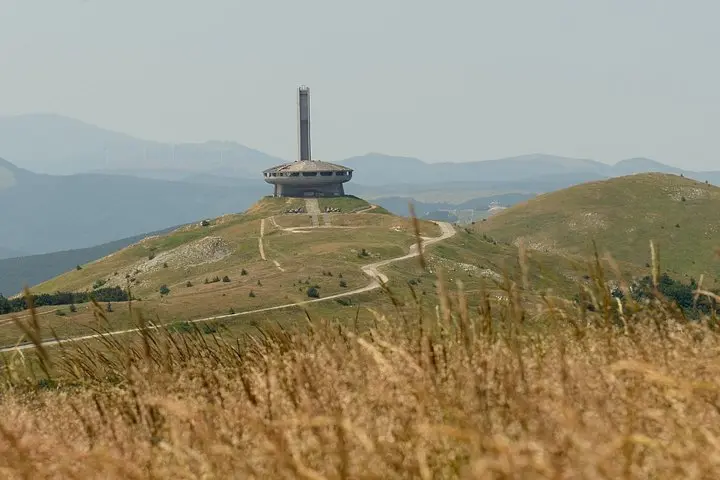
The minivan eases up a hairpin, and the Balkan air pulls at your jacket as the monument appears: a concrete disc perched like a relic of another century, its jagged silhouette cutting the sky above the Thracian Valley. Wind pushes across the summit here, convincing you the building has a heartbeat of its own while the guide fills in the story printed on its mosaics.
The minivan eases up a hairpin, and the Balkan air pulls at your jacket as the monument appears: a concrete disc perched like a relic of another century, its jagged silhouette cutting the sky above the Thracian Valley. Wind pushes across the summit here, convincing you the building has a heartbeat of its own while the guide fills in the story printed on its mosaics.
Built in the late 1970s and opened in 1981 as the House-Monument of the Bulgarian Communist Party, Buzludzha occupies a strategic ridge where earlier 19th-century Thracian and revolutionary events unfolded. The rock and limestone of the Balkan range underfoot are part of a folded, ancient chain; from the summit you can read the geology in the rolling foothills that slope toward Kazanlak and the fertile Rose Valley.
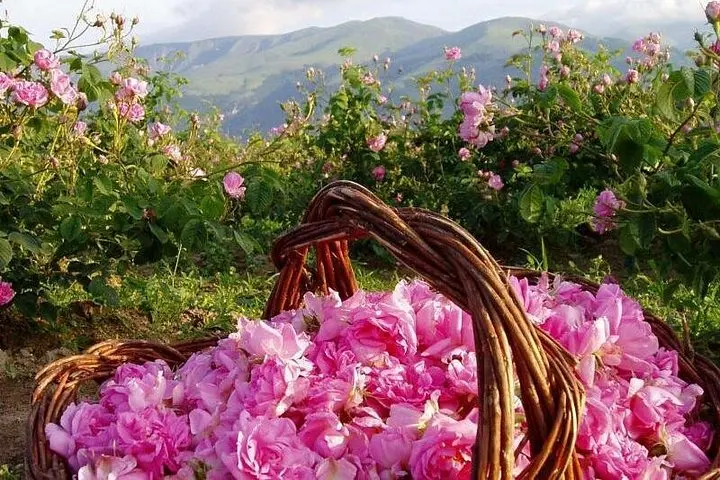
Descending into the valley, the landscape softens into ordered rows of Rosa damascena. Rose cultivation is both an agricultural engine and a living craft here—family distilleries still extract oil with methods that echo centuries of practice. Local culture ties harvest rhythms to festivals and recipes; expect rakia, rose jams, and a museum that explains steam and tradition.
Practicalities: this is a full-day outing (about 10–11 hours) with winding mountain roads and short walks at altitude (Buzludzha ~1441 m). Wear sturdy shoes, carry layers for cold summit wind, and keep water and sunscreen handy. Photography and curiosity are rewarded—bring a charged camera and patience for uneven paths and occasional restricted interior access.
Frequently asked questions
Expect a 10–11 hour day with a 3-hour scenic drive each way and short guided walks at the monument and distillery.
Interior access varies with safety and permissions; many tours view the exterior and curated interior areas—confirm with the operator before booking.
Bring some cash and cards; small shops or tastings often accept card payments but rural vendors sometimes prefer cash.
The tour involves uneven surfaces, steps, and summit approaches; it’s not recommended for travelers with serious mobility limitations and children should be supervised.
About This Experience
ExploriA operates guided outdoor trips and adventures with an emphasis on safety, stewardship, and memorable experiences.
Adventure tips
Recommended gear
- Sturdy walking shoes: Protects your ankles on rough concrete, rocky summit trails, and distillery yards.
- Windproof jacket: Summit winds can be cold in spring; a lightweight shell blocks the chill.
- Water bottle (1L+): Keeps you hydrated during long transfers and sunny valley walks.
- Camera or smartphone with power bank: Captures mosaics, summit views, and rose fields—some sites have limited daylight indoors.
Photos of the experience
Related adventures & guides
Read the full experience
The minivan eases up a hairpin, and the Balkan air pulls at your jacket as the monument appears: a concrete disc perched like a relic of another century, its jagged silhouette cutting the sky above the Thracian Valley. Wind pushes across the summit here, convincing you the building has a heartbeat of its own while the guide fills in the story printed on its mosaics.
The minivan eases up a hairpin, and the Balkan air pulls at your jacket as the monument appears: a concrete disc perched like a relic of another century, its jagged silhouette cutting the sky above the Thracian Valley. Wind pushes across the summit here, convincing you the building has a heartbeat of its own while the guide fills in the story printed on its mosaics.
Built in the late 1970s and opened in 1981 as the House-Monument of the Bulgarian Communist Party, Buzludzha occupies a strategic ridge where earlier 19th-century Thracian and revolutionary events unfolded. The rock and limestone of the Balkan range underfoot are part of a folded, ancient chain; from the summit you can read the geology in the rolling foothills that slope toward Kazanlak and the fertile Rose Valley.
Descending into the valley, the landscape softens into ordered rows of Rosa damascena. Rose cultivation is both an agricultural engine and a living craft here—family distilleries still extract oil with methods that echo centuries of practice. Local culture ties harvest rhythms to festivals and recipes; expect rakia, rose jams, and a museum that explains steam and tradition.
Practicalities: this is a full-day outing (about 10–11 hours) with winding mountain roads and short walks at altitude (Buzludzha ~1441 m). Wear sturdy shoes, carry layers for cold summit wind, and keep water and sunscreen handy. Photography and curiosity are rewarded—bring a charged camera and patience for uneven paths and occasional restricted interior access.
Make a day of it nearby.
Verified experiences and guided adventures in the surrounding area.