THE ADVENTURE COLLECTIVE® · Independent discovery and booking for outdoor travel

Spend a full day tracing Lebanon’s coastal history on a private tour from Beirut to Byblos and Tripoli. Explore Phoenician ruins, Crusader castles, bustling souks and Mamluk architecture with an experienced local guide.
Spend a full day tracing Lebanon’s coastal history on a private tour from Beirut to Byblos and Tripoli. Explore Phoenician ruins, Crusader castles, bustling souks and Mamluk architecture with an experienced local guide.
You step out of an air‑conditioned vehicle into a salt‑tanged breeze and a skyline that shifts from Roman masonry to Mamluk minarets within an hour. The day opens at Byblos’ coastal ruins: sun-bleached stone, a 12th‑century Crusader keep rising like a square watchman above Bronze Age foundations, and a port where timber once left for the wider Mediterranean.
Verified experiences and guided adventures in the surrounding area.
Operated by Lebanon Tours · Byblos (Jbeil), Mount Lebanon Governorate
You step out of an air‑conditioned vehicle into a salt‑tanged breeze and a skyline that shifts from Roman masonry to Mamluk minarets within an hour. The day opens at Byblos’ coastal ruins: sun-bleached stone, a 12th‑century Crusader keep rising like a square watchman above Bronze Age foundations, and a port where timber once left for the wider Mediterranean.
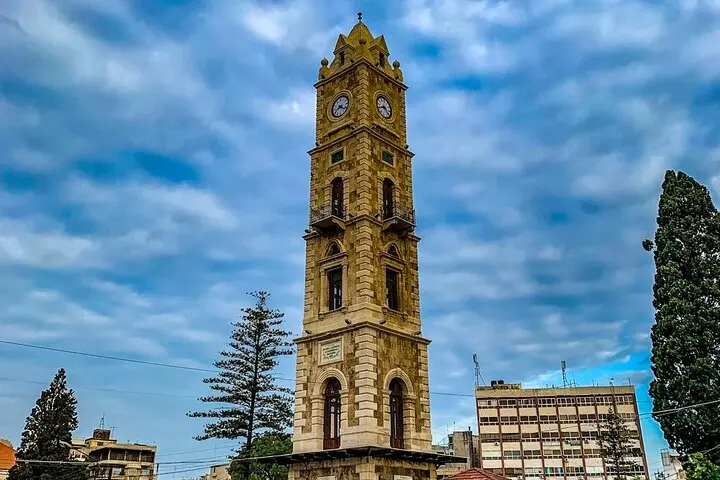
Byblos (Jbeil) traces a continuous urban story from Neolithic settlements through Phoenician trade—this is where the alphabet met the sea. A short drive north brings Tripoli, a dense urban weave of Mamluk architecture, covered khans, and a labyrinth of souks where centuries-old trades continue beneath tiled arcades. Geology here is simple: limestone coast giving way to terraces and river mouths that shaped both ports. Culture is tactile—bakery steam, soap-makers’ dust, the call to prayer layering over vendors’ calls.
Practical guidance: expect an 8–9 hour private tour with hotel pickup from Beirut, moderate amounts of walking on cobbles and uneven archaeological ground, and museum/market stops timed into a full afternoon in Tripoli. Carry cash for small purchases, wear sturdy shoes for wet or uneven surfaces, and bring a lightweight sun layer—many indoor heritage sites are cool but exposed areas are sunny.
Timing matters: start early to avoid noon heat at the port and aim for late afternoon in Tripoli to catch softer light on the citadel. Respect mosque etiquette (modest dress, remove shoes) and allow time for bargaining in the souks—this is as much about people as stones.
Yes—private transportation includes hotel pickup and drop‑off in Beirut; confirm your pickup point when booking.
The tour description notes local guide at Byblos and access to highlights, but confirm whether specific site admissions are covered or paid on the day.
Yes—infant seats are available and the tour is rated physically easy, though keep an eye on children near uneven ruins and busy markets.
Language options vary by operator; inquire in advance to request an English or Arabic guide if needed.
Lebanon Tours operates guided outdoor trips and adventures with an emphasis on safety, stewardship, and memorable experiences.
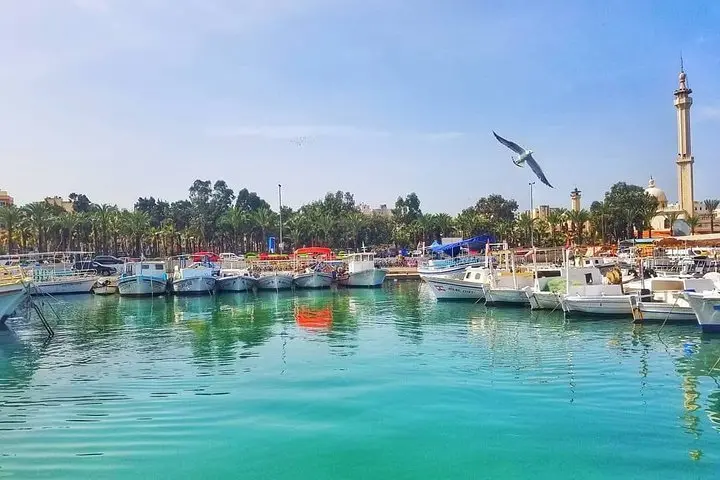
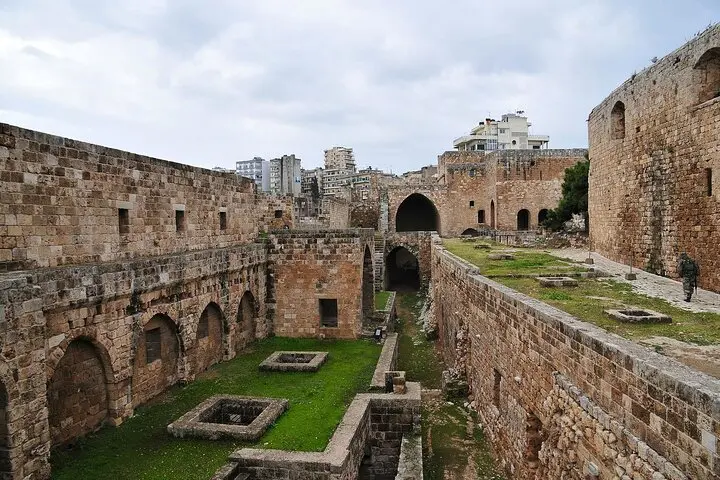
You step out of an air‑conditioned vehicle into a salt‑tanged breeze and a skyline that shifts from Roman masonry to Mamluk minarets within an hour. The day opens at Byblos’ coastal ruins: sun-bleached stone, a 12th‑century Crusader keep rising like a square watchman above Bronze Age foundations, and a port where timber once left for the wider Mediterranean.
You step out of an air‑conditioned vehicle into a salt‑tanged breeze and a skyline that shifts from Roman masonry to Mamluk minarets within an hour. The day opens at Byblos’ coastal ruins: sun-bleached stone, a 12th‑century Crusader keep rising like a square watchman above Bronze Age foundations, and a port where timber once left for the wider Mediterranean.
Byblos (Jbeil) traces a continuous urban story from Neolithic settlements through Phoenician trade—this is where the alphabet met the sea. A short drive north brings Tripoli, a dense urban weave of Mamluk architecture, covered khans, and a labyrinth of souks where centuries-old trades continue beneath tiled arcades. Geology here is simple: limestone coast giving way to terraces and river mouths that shaped both ports. Culture is tactile—bakery steam, soap-makers’ dust, the call to prayer layering over vendors’ calls.
Practical guidance: expect an 8–9 hour private tour with hotel pickup from Beirut, moderate amounts of walking on cobbles and uneven archaeological ground, and museum/market stops timed into a full afternoon in Tripoli. Carry cash for small purchases, wear sturdy shoes for wet or uneven surfaces, and bring a lightweight sun layer—many indoor heritage sites are cool but exposed areas are sunny.
Timing matters: start early to avoid noon heat at the port and aim for late afternoon in Tripoli to catch softer light on the citadel. Respect mosque etiquette (modest dress, remove shoes) and allow time for bargaining in the souks—this is as much about people as stones.