THE ADVENTURE COLLECTIVE® · Independent discovery and booking for outdoor travel

Spend a day driving the coastal road from Beirut to two of Lebanon’s oldest cities. Explore Byblos’ archaeological layers and Tripoli’s Mamluk souks with a private guide and door-to-door transport.
Spend a day driving the coastal road from Beirut to two of Lebanon’s oldest cities. Explore Byblos’ archaeological layers and Tripoli’s Mamluk souks with a private guide and door-to-door transport.
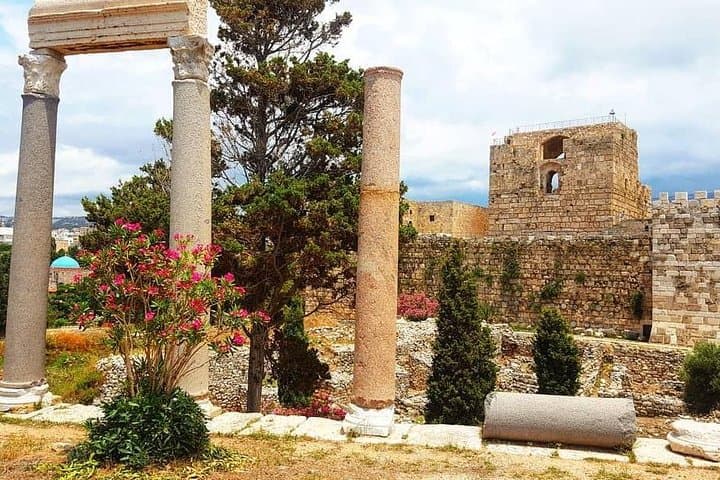
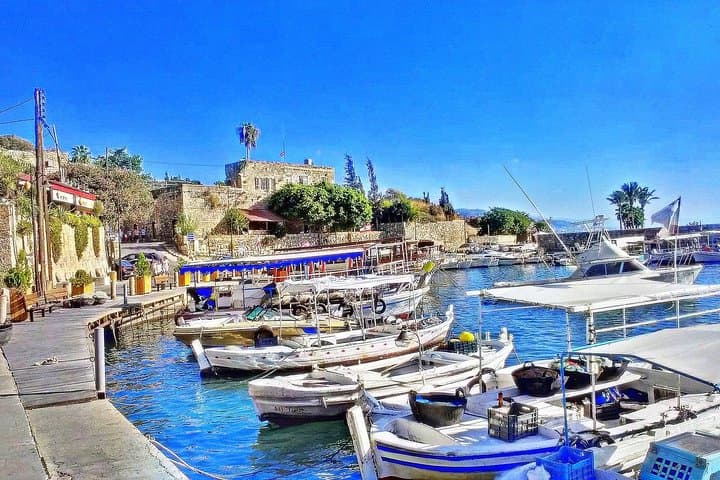
On a clear morning the sea air from the Mediterranean follows the road north out of Beirut, and within an hour you’re in Byblos where stone streets slope toward an ageless port. Ancient walls watch over fishermen unloading nets, and the ruins sit quietly, their carved stones daring you to read centuries of trade, script and ceremony.
Verified experiences and guided adventures in the surrounding area.
Operated by Lebanon Tours Online · Beirut, Beirut Governorate
On a clear morning the sea air from the Mediterranean follows the road north out of Beirut, and within an hour you’re in Byblos where stone streets slope toward an ageless port. Ancient walls watch over fishermen unloading nets, and the ruins sit quietly, their carved stones daring you to read centuries of trade, script and ceremony.
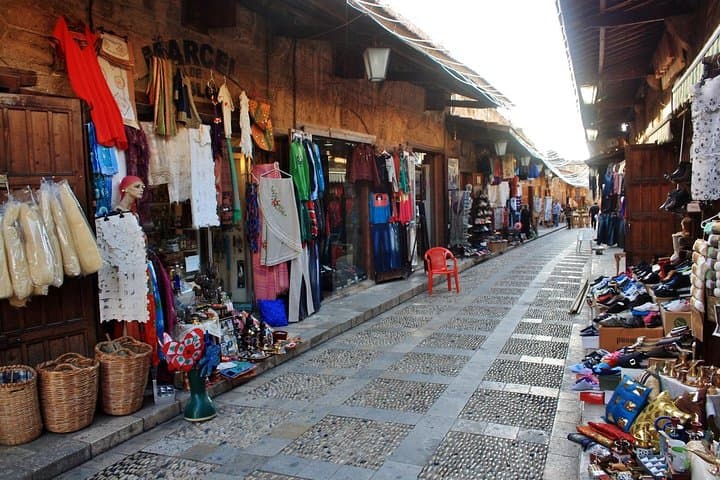
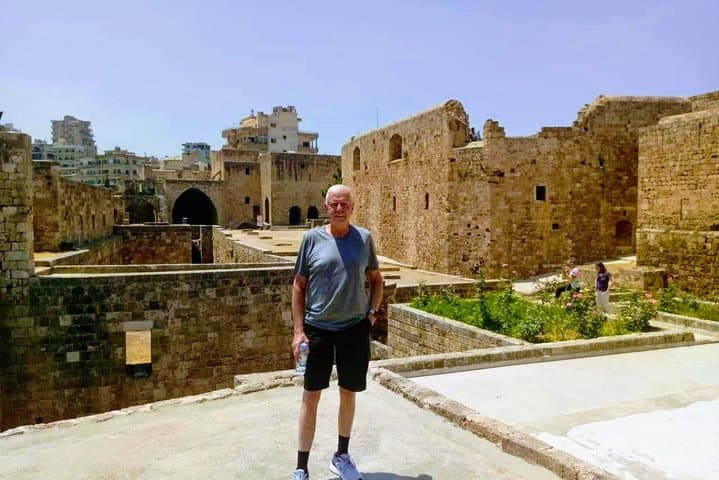
Byblos (Jbeil) carries layers of human history—from Neolithic settlements to the Phoenician port that helped spread the alphabet across the Mediterranean. The short climb up to the Crusader castle offers a compact lesson in coastal geology: limestone terraces, ancient harbor deposits, and the thin soils that framed early coastal settlements. Moving on, Tripoli opens differently — a dense urban weave of Mamluk arcades, Ottoman khans and the crenellated Citadel of Saint Gilles. The souks hum with trade and centuries-old guilds, and the city’s hammams and mosques mark cultural continuity.
This private day tour pairs guided context with practical pacing: expect multiple short walks on uneven cobbles, stairs in museums and open-air markets where shade is intermittent. Bring layered clothing for coastal breeze and stronger sun inland, and plan for local snacks and mint tea in a market courtyard. Guides typically cover logistics and local stories—ask about soap-making in the Khan As Sabon and the restored mosque architecture in Tripoli.
Practical guidance: start early to avoid mid-day heat and crowds, wear grippy shoes for cobblestones, keep small bills for souk purchases, and allow time to sit at the port and watch the sea—history moves slowly here, but it’s always in motion.
The tour offers hotel pickup and drop-off in Beirut; you’ll confirm a pickup point when booking.
The itinerary is classified as easy and suitable for most ages, but sites include uneven cobbles and stairs; discuss mobility needs with the operator in advance.
This tour description notes admission is not applicable for the listed points; clarify with the provider whether museum fees are covered before booking.
Guides typically speak English and Arabic; confirm any other language requirements when you book.
Lebanon Tours Online operates guided outdoor trips and adventures with an emphasis on safety, stewardship, and memorable experiences.
On a clear morning the sea air from the Mediterranean follows the road north out of Beirut, and within an hour you’re in Byblos where stone streets slope toward an ageless port. Ancient walls watch over fishermen unloading nets, and the ruins sit quietly, their carved stones daring you to read centuries of trade, script and ceremony.
On a clear morning the sea air from the Mediterranean follows the road north out of Beirut, and within an hour you’re in Byblos where stone streets slope toward an ageless port. Ancient walls watch over fishermen unloading nets, and the ruins sit quietly, their carved stones daring you to read centuries of trade, script and ceremony.
Byblos (Jbeil) carries layers of human history—from Neolithic settlements to the Phoenician port that helped spread the alphabet across the Mediterranean. The short climb up to the Crusader castle offers a compact lesson in coastal geology: limestone terraces, ancient harbor deposits, and the thin soils that framed early coastal settlements. Moving on, Tripoli opens differently — a dense urban weave of Mamluk arcades, Ottoman khans and the crenellated Citadel of Saint Gilles. The souks hum with trade and centuries-old guilds, and the city’s hammams and mosques mark cultural continuity.
This private day tour pairs guided context with practical pacing: expect multiple short walks on uneven cobbles, stairs in museums and open-air markets where shade is intermittent. Bring layered clothing for coastal breeze and stronger sun inland, and plan for local snacks and mint tea in a market courtyard. Guides typically cover logistics and local stories—ask about soap-making in the Khan As Sabon and the restored mosque architecture in Tripoli.
Practical guidance: start early to avoid mid-day heat and crowds, wear grippy shoes for cobblestones, keep small bills for souk purchases, and allow time to sit at the port and watch the sea—history moves slowly here, but it’s always in motion.