THE ADVENTURE COLLECTIVE® · Independent discovery and booking for outdoor travel

Paddle from Clarke's Beach toward Cape Byron on a guided sea kayak tour offering close encounters with bottlenose dolphins, seasonal humpback whales and sea turtles. Stable tandem kayaks and trained surf-lifesaver guides make this a half-day option for most active travelers.
Paddle from Clarke's Beach toward Cape Byron on a guided sea kayak tour offering close encounters with bottlenose dolphins, seasonal humpback whales and sea turtles. Stable tandem kayaks and trained surf-lifesaver guides make this a half-day option for most active travelers.
You push off from Clarke's Beach and the open Pacific takes over—salty wind in your face, the hulls whispering against small swell. Ahead, Cape Byron rises as a pale rocky ridge; offshore, dolphins arc and wheel, turning the water into motion you can follow with your paddle.
Verified experiences and guided adventures in the surrounding area.
Operated by Go Sea Kayak at Byron Bay Pty Ltd · Byron Bay, New South Wales
You push off from Clarke's Beach and the open Pacific takes over—salty wind in your face, the hulls whispering against small swell. Ahead, Cape Byron rises as a pale rocky ridge; offshore, dolphins arc and wheel, turning the water into motion you can follow with your paddle.
This stretch of coast is the most easterly point of mainland Australia, shaped by ancient volcanic flows and coastal erosion that carved headlands and a sheltered bay. European settlement brought whaling and fishing; today Byron Bay balances surf culture, Indigenous Bundjalung heritage and a flourishing ecotourism scene. Local guides—many former surf lifesavers—blend practical sea skills with stories about migrating humpbacks (May–Oct) and resident bottlenose pods.
Expect stable tandem sit-on-top kayaks, a shore-side lesson and guides scanning for turtles, dolphins and seasonal whales. The route crosses open water and passes Wategos Beach beneath Cape Byron Lighthouse, where currents and feeding fish often concentrate wildlife. Conditions change quickly: wind, swell and occasional jellyfish matter; operators perform daily risk assessments and provide wetsuits in winter.
Practical rhythm: arrive early for briefing and waiver, accept the pre-trip lesson, sip water and stow devices in a dry bag. If you’re prone to seasickness, medicate beforehand. Wear quick-dry layers, reef-safe sunscreen and shoes that grip. Tours run rain or shine when safe; if wildlife is scarce the company often offers a free return paddle. For a half-day on Byron’s ocean, this tour delivers approachable adventure, high odds of marine encounters and solid local stewardship advice.
The tour runs about 150 minutes total; paddling distance varies with conditions but expect a moderate 4–8 km round trip across Byron Bay.
Wildlife is never guaranteed, but dolphins are seen on roughly 90% of tours; humpback whales are common in migration season (May–Oct). The operator offers a free return if you miss sightings.
No prior experience is required and tandem sit-on-top kayaks are stable; however participants should be comfortable in water and have moderate fitness.
Guides assess conditions multiple times and will cancel unsafe tours with a full refund; rain alone is usually not a reason to cancel.
Go Sea Kayak at Byron Bay Pty Ltd operates guided outdoor trips and adventures with an emphasis on safety, stewardship, and memorable experiences.
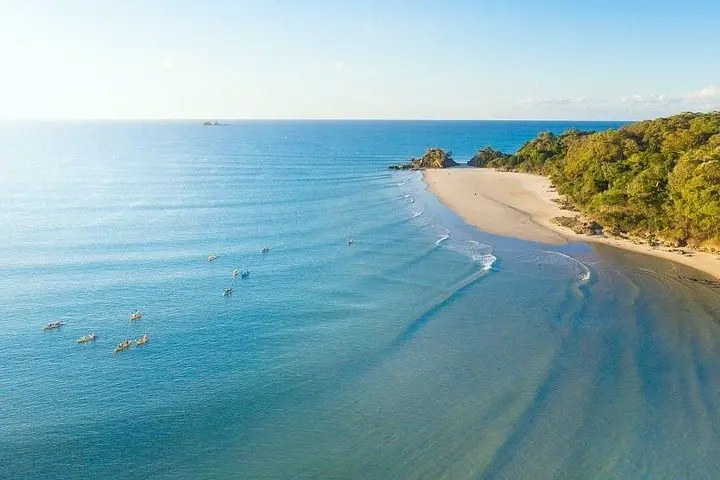
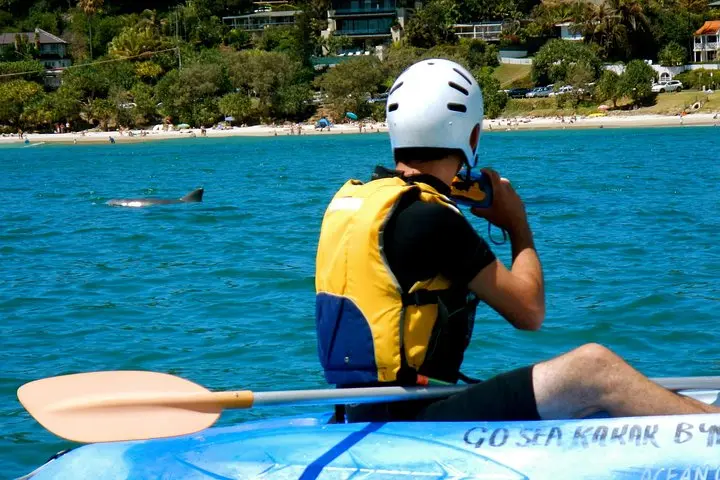
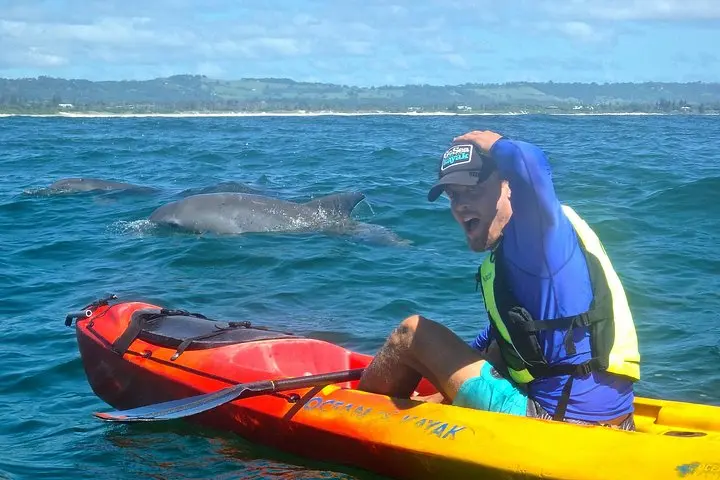
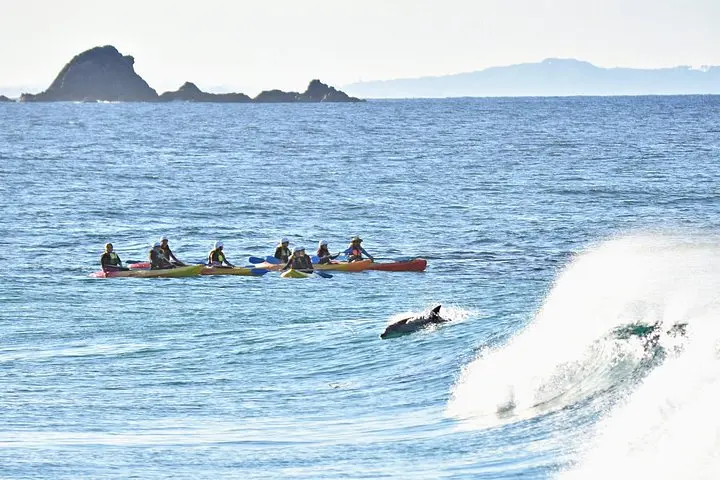
You push off from Clarke's Beach and the open Pacific takes over—salty wind in your face, the hulls whispering against small swell. Ahead, Cape Byron rises as a pale rocky ridge; offshore, dolphins arc and wheel, turning the water into motion you can follow with your paddle.
You push off from Clarke's Beach and the open Pacific takes over—salty wind in your face, the hulls whispering against small swell. Ahead, Cape Byron rises as a pale rocky ridge; offshore, dolphins arc and wheel, turning the water into motion you can follow with your paddle.
This stretch of coast is the most easterly point of mainland Australia, shaped by ancient volcanic flows and coastal erosion that carved headlands and a sheltered bay. European settlement brought whaling and fishing; today Byron Bay balances surf culture, Indigenous Bundjalung heritage and a flourishing ecotourism scene. Local guides—many former surf lifesavers—blend practical sea skills with stories about migrating humpbacks (May–Oct) and resident bottlenose pods.
Expect stable tandem sit-on-top kayaks, a shore-side lesson and guides scanning for turtles, dolphins and seasonal whales. The route crosses open water and passes Wategos Beach beneath Cape Byron Lighthouse, where currents and feeding fish often concentrate wildlife. Conditions change quickly: wind, swell and occasional jellyfish matter; operators perform daily risk assessments and provide wetsuits in winter.
Practical rhythm: arrive early for briefing and waiver, accept the pre-trip lesson, sip water and stow devices in a dry bag. If you’re prone to seasickness, medicate beforehand. Wear quick-dry layers, reef-safe sunscreen and shoes that grip. Tours run rain or shine when safe; if wildlife is scarce the company often offers a free return paddle. For a half-day on Byron’s ocean, this tour delivers approachable adventure, high odds of marine encounters and solid local stewardship advice.