THE ADVENTURE COLLECTIVE® · Independent discovery and booking for outdoor travel

Walk off the tourist grid through New Orleans’ Bywater—where bold street art, inventive Creole-Cajun plates and the Plessy v. Ferguson marker trace a neighborhood’s resurgence. This four-hour walking tour mixes food stops, local history and riverside views.
Walk off the tourist grid through New Orleans’ Bywater—where bold street art, inventive Creole-Cajun plates and the Plessy v. Ferguson marker trace a neighborhood’s resurgence. This four-hour walking tour mixes food stops, local history and riverside views.
You step off the trolley of expectation and into Bywater’s slow-motion pulse: a neighborhood where paint peels in bright riffs, dogs patrol stoops like small sentries, and the Mississippi licks at the neighborhood’s ragged edge. The tour begins at the Plessy v. Ferguson marker—an unadorned stone that anchors a story that rewrote American civil rights law—and unspools through blocks of shotgun houses, converted warehouses, and pop-up kitchens that trade on bold Creole and Cajun riffs.
Verified experiences and guided adventures in the surrounding area.
Operated by eatwith · New Orleans, Louisiana
You step off the trolley of expectation and into Bywater’s slow-motion pulse: a neighborhood where paint peels in bright riffs, dogs patrol stoops like small sentries, and the Mississippi licks at the neighborhood’s ragged edge. The tour begins at the Plessy v. Ferguson marker—an unadorned stone that anchors a story that rewrote American civil rights law—and unspools through blocks of shotgun houses, converted warehouses, and pop-up kitchens that trade on bold Creole and Cajun riffs.
The area’s revival since Hurricane Katrina is both vivid and complicated. Bywater’s warehouses and rail yards—once the arteries of New Orleans’ 19th-century commerce—now host murals, music venues and food halls. Geologically, you’re walking on alluvial plains shaped by the river’s slow migrations; the rise and fall of levees and marshes is the reason New Orleans looks and lives the way it does. Culturally, the neighborhood is a mixing bowl: francophone Creole roots, Afro-Caribbean rhythms and a new generation of chefs experimenting with fermentation, spice and reclaimed produce.
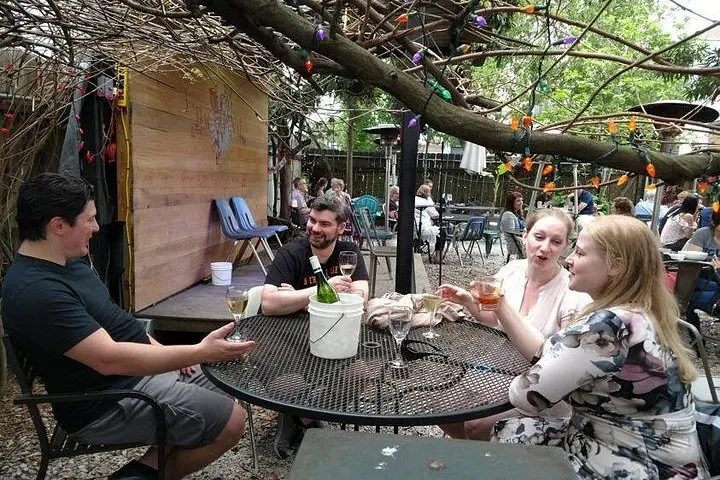
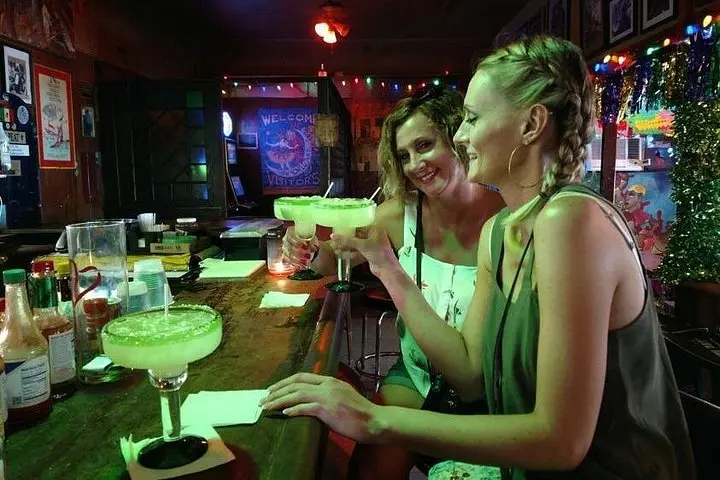
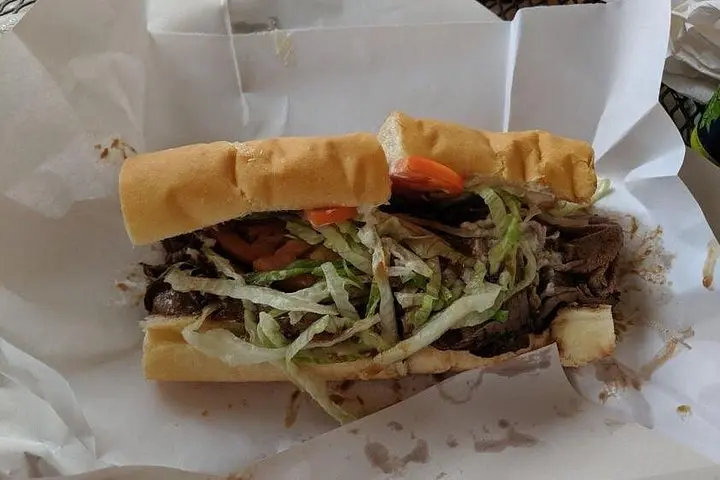
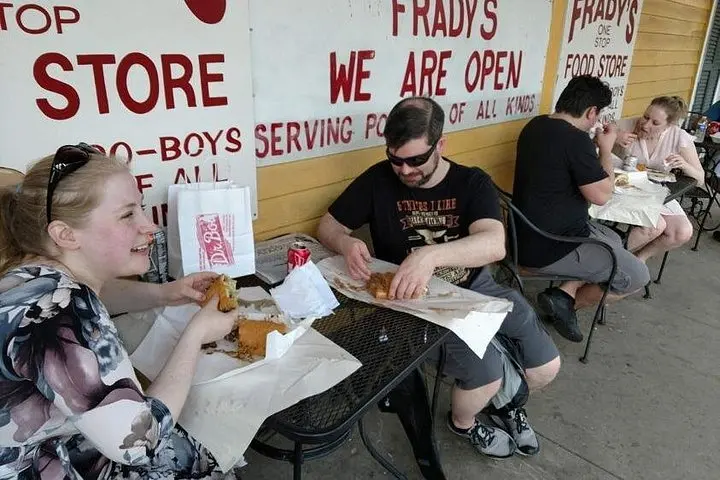
Your guide walks you past painted murals that argue, joke and memorialize. You’ll taste a trio of NOLA classics at a renovated food hall, inhale the steam of a freshly made po-boy at a corner market, and pause for a drink as the Mississippi dares you to slow down at Crescent Park’s riverfront benches. The music and architecture are not background— they’re chapters in the neighborhood’s ongoing conversation about identity, displacement and renewal.
Practicalities matter here: the tour runs about four hours and covers several uneven sidewalks and short blocks between stops. It’s an all-weather walk—bring shoes that handle heat, rain, and the occasional puddle. Hosts accommodate allergies if told in advance; drinks, food, tax and tip are included at stops, but the route ends a few blocks from the start, so plan your ride back accordingly.
For first-timers, timing is everything. Midday light shows off mural colors; late-afternoon river light gives the facades a warm burnish and cools the walk. Bring a refillable bottle, a light rain layer in spring and fall, and some curiosity about local histories—asking questions will unearth small stories the guide didn’t have room to tell.
This tour is best for travelers who want to eat and listen as much as they want to look. It’s not a museum visit; it’s a street-level education in the present-tense life of New Orleans, where food, art and history make a practiced, candid odd couple.
Meet at the Plessy v. Ferguson historical marker at the corner of Royal Street and Homer Plessy Way (Press Street Railroad Yards). The tour ends several blocks away—plan a taxi or rideshare back.
Yes. The tour price covers the food and drinks at designated stops, plus tax and tip for those stops.
Yes—hosts request that you notify them in advance about allergies or special diets so they can plan appropriate options.
Children 11 and older are welcome; the stops are family-friendly but expect several hours of walking.
The tour walks on city sidewalks and some uneven surfaces; it is not fully wheelchair accessible—contact the host to discuss accommodations.
The tour operates in most weather; it may be canceled for severe weather. Check cancellation policies and contact the host before the tour if conditions look poor.
eatwith operates guided outdoor trips and adventures with an emphasis on safety, stewardship, and memorable experiences.
You step off the trolley of expectation and into Bywater’s slow-motion pulse: a neighborhood where paint peels in bright riffs, dogs patrol stoops like small sentries, and the Mississippi licks at the neighborhood’s ragged edge. The tour begins at the Plessy v. Ferguson marker—an unadorned stone that anchors a story that rewrote American civil rights law—and unspools through blocks of shotgun houses, converted warehouses, and pop-up kitchens that trade on bold Creole and Cajun riffs.
You step off the trolley of expectation and into Bywater’s slow-motion pulse: a neighborhood where paint peels in bright riffs, dogs patrol stoops like small sentries, and the Mississippi licks at the neighborhood’s ragged edge. The tour begins at the Plessy v. Ferguson marker—an unadorned stone that anchors a story that rewrote American civil rights law—and unspools through blocks of shotgun houses, converted warehouses, and pop-up kitchens that trade on bold Creole and Cajun riffs.
The area’s revival since Hurricane Katrina is both vivid and complicated. Bywater’s warehouses and rail yards—once the arteries of New Orleans’ 19th-century commerce—now host murals, music venues and food halls. Geologically, you’re walking on alluvial plains shaped by the river’s slow migrations; the rise and fall of levees and marshes is the reason New Orleans looks and lives the way it does. Culturally, the neighborhood is a mixing bowl: francophone Creole roots, Afro-Caribbean rhythms and a new generation of chefs experimenting with fermentation, spice and reclaimed produce.
Your guide walks you past painted murals that argue, joke and memorialize. You’ll taste a trio of NOLA classics at a renovated food hall, inhale the steam of a freshly made po-boy at a corner market, and pause for a drink as the Mississippi dares you to slow down at Crescent Park’s riverfront benches. The music and architecture are not background— they’re chapters in the neighborhood’s ongoing conversation about identity, displacement and renewal.
Practicalities matter here: the tour runs about four hours and covers several uneven sidewalks and short blocks between stops. It’s an all-weather walk—bring shoes that handle heat, rain, and the occasional puddle. Hosts accommodate allergies if told in advance; drinks, food, tax and tip are included at stops, but the route ends a few blocks from the start, so plan your ride back accordingly.
For first-timers, timing is everything. Midday light shows off mural colors; late-afternoon river light gives the facades a warm burnish and cools the walk. Bring a refillable bottle, a light rain layer in spring and fall, and some curiosity about local histories—asking questions will unearth small stories the guide didn’t have room to tell.
This tour is best for travelers who want to eat and listen as much as they want to look. It’s not a museum visit; it’s a street-level education in the present-tense life of New Orleans, where food, art and history make a practiced, candid odd couple.