THE ADVENTURE COLLECTIVE® · Independent discovery and booking for outdoor travel

Descend into the cool, columned hush of the Basilica Cistern, unwind in a traditional hamam, then stand beneath Hagia Sophia’s vast dome — all in one focused day tour. Practical tips on timing, dress code, and what to expect inside each historic site.
Descend into the cool, columned hush of the Basilica Cistern, unwind in a traditional hamam, then stand beneath Hagia Sophia’s vast dome — all in one focused day tour. Practical tips on timing, dress code, and what to expect inside each historic site.
You step off a narrow Old City lane and into a cool, echoing chamber: the Basilica Cistern’s dark water and marble columns swallow the sound of the street. The guide points out Medusa heads half-submerged, and for a moment the city’s bustle feels centuries away.
Verified experiences and guided adventures in the surrounding area.
Operated by SKIPTHELINES.COM.TR · Istanbul, Istanbul
You step off a narrow Old City lane and into a cool, echoing chamber: the Basilica Cistern’s dark water and marble columns swallow the sound of the street. The guide points out Medusa heads half-submerged, and for a moment the city’s bustle feels centuries away.
This half-day loop threads Byzantine engineering, Ottoman ritual, and living Istanbul. The cistern — built under Justinian in the 6th century — reveals the city’s reliance on subterranean aquifers and recycled columns pulled from earlier Roman structures. After the cistern’s hush, a traditional hamam awaits: steam, skilled scrubbing, and a short massage rooted in Ottoman bathing culture that emphasizes cleansing as social and restorative practice.
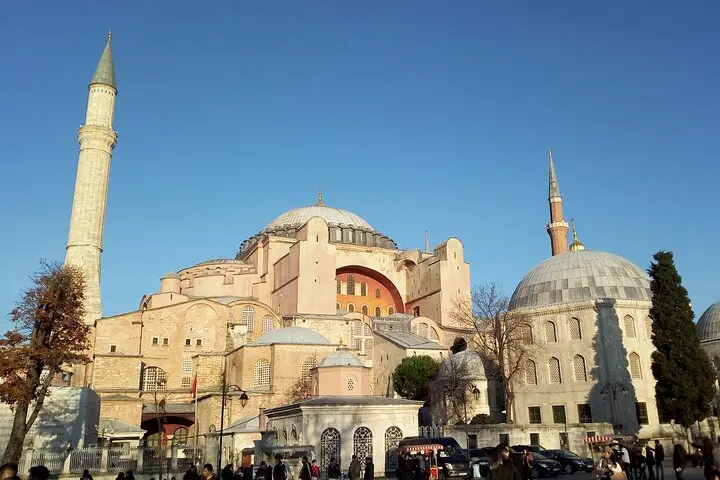
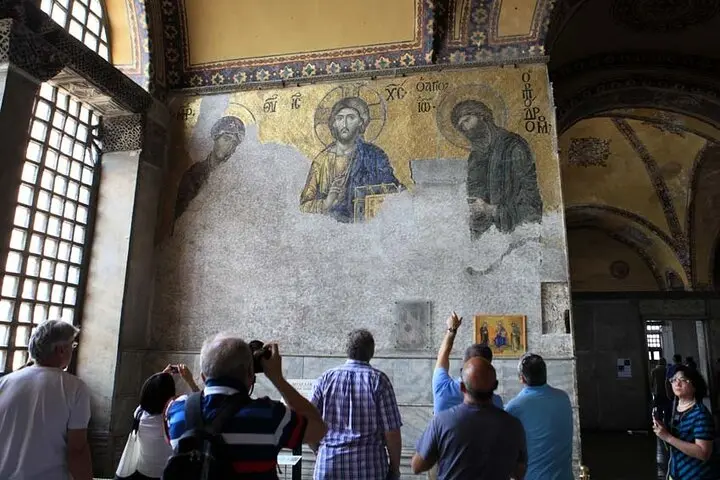
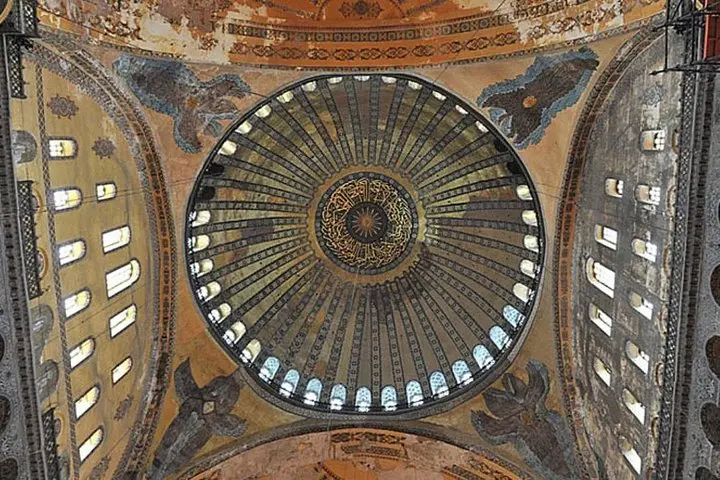
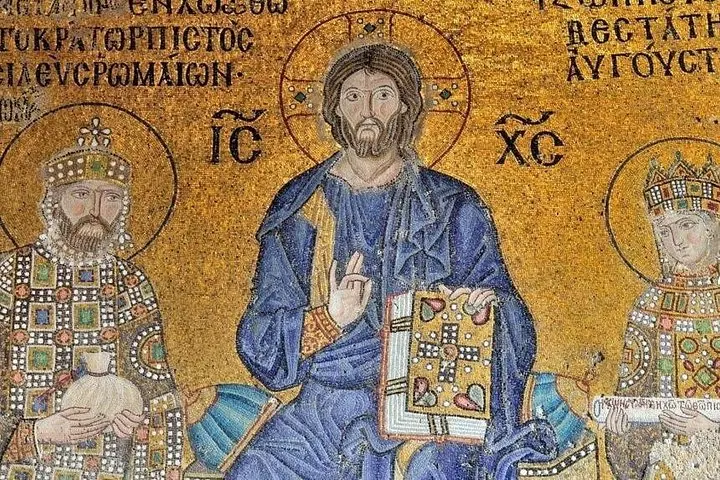
Lunch slows the pace: charcoal-grilled kebabs, fresh bread, and ayran offer a pragmatic taste of local cuisine before the final stop. Hagia Sophia greets with 537 A.D. masonry where Byzantine mosaics meet Ottoman calligraphy; stand in the nave and you’ll feel how architecture became a political and spiritual stage over a millennium.
Practical guidance: arrive early to avoid crowds at Hagia Sophia and pack a scarf for women entering the mosque area. Bring comfortable walking shoes — the cistern and surrounding streets have uneven stone and steps. If you have spinal issues or are pregnant, skip the vigorous hamam scrub. Expect 5–6 hours of walking and short stationary periods inside historic buildings. Hydrate, keep modest clothing for religious sites, and allow time to linger at viewpoints overlooking the Sea of Marmara. This loop is sensory, compact, and best experienced with a guide who can translate layers of history into clear context.
Women are typically asked to cover their hair inside mosque prayer areas; carry a scarf to be prepared.
The Pir-u Pak service usually includes a full-body scrub, foam wash, and a short massage; durations vary by provider (35–45 minutes here).
No; the cistern has stairs and uneven walkways which make it unsuitable for wheelchairs and difficult for limited mobility without assistance.
Lunch is included; notify the operator in advance about dietary restrictions so the kitchen can prepare suitable options.
SKIPTHELINES.COM.TR operates guided outdoor trips and adventures with an emphasis on safety, stewardship, and memorable experiences.
You step off a narrow Old City lane and into a cool, echoing chamber: the Basilica Cistern’s dark water and marble columns swallow the sound of the street. The guide points out Medusa heads half-submerged, and for a moment the city’s bustle feels centuries away.
You step off a narrow Old City lane and into a cool, echoing chamber: the Basilica Cistern’s dark water and marble columns swallow the sound of the street. The guide points out Medusa heads half-submerged, and for a moment the city’s bustle feels centuries away.
This half-day loop threads Byzantine engineering, Ottoman ritual, and living Istanbul. The cistern — built under Justinian in the 6th century — reveals the city’s reliance on subterranean aquifers and recycled columns pulled from earlier Roman structures. After the cistern’s hush, a traditional hamam awaits: steam, skilled scrubbing, and a short massage rooted in Ottoman bathing culture that emphasizes cleansing as social and restorative practice.
Lunch slows the pace: charcoal-grilled kebabs, fresh bread, and ayran offer a pragmatic taste of local cuisine before the final stop. Hagia Sophia greets with 537 A.D. masonry where Byzantine mosaics meet Ottoman calligraphy; stand in the nave and you’ll feel how architecture became a political and spiritual stage over a millennium.
Practical guidance: arrive early to avoid crowds at Hagia Sophia and pack a scarf for women entering the mosque area. Bring comfortable walking shoes — the cistern and surrounding streets have uneven stone and steps. If you have spinal issues or are pregnant, skip the vigorous hamam scrub. Expect 5–6 hours of walking and short stationary periods inside historic buildings. Hydrate, keep modest clothing for religious sites, and allow time to linger at viewpoints overlooking the Sea of Marmara. This loop is sensory, compact, and best experienced with a guide who can translate layers of history into clear context.