THE ADVENTURE COLLECTIVE® · Independent discovery and booking for outdoor travel

Rise above Medellín in a cable car, walk the streets of Comuna 2, then follow creeks and indigenous trails into Arví Park’s high forest. This five-hour tour pairs urban history with waterfalls, birdwatching and local snacks—ideal for travelers who want a compact nature escape from the city.
Rise above Medellín in a cable car, walk the streets of Comuna 2, then follow creeks and indigenous trails into Arví Park’s high forest. This five-hour tour pairs urban history with waterfalls, birdwatching and local snacks—ideal for travelers who want a compact nature escape from the city.
The cable car hums and tilts you away from the city’s tight grid; below, colored houses of a comuna pull into a patchwork that climbs the eastern slope. As the cabin rises, the urban noise thins and the air cools—pine, wet earth and a hint of coffee follow. By the time you step out above the valley, Arví Park’s green shoulders have already started to press at your senses: streams daring you to follow, trail edges lined in orchids and bromeliads, and viewpoints that frame Medellín like a city still learning how to hold its mountains.
Verified experiences and guided adventures in the surrounding area.
Operated by Gran Colombia Tours · Medellín, Antioquia
The cable car hums and tilts you away from the city’s tight grid; below, colored houses of a comuna pull into a patchwork that climbs the eastern slope. As the cabin rises, the urban noise thins and the air cools—pine, wet earth and a hint of coffee follow. By the time you step out above the valley, Arví Park’s green shoulders have already started to press at your senses: streams daring you to follow, trail edges lined in orchids and bromeliads, and viewpoints that frame Medellín like a city still learning how to hold its mountains.
This half-day tour threads two stories together—the sociopolitical history of the comunas and the older landscape above them. Comuna 2 (popularly reached via the Santo Domingo cable line) is one of Medellín’s densely populated neighborhoods whose murals, skate park and community library document decades of grassroots cultural recovery. Above, Arví Park occupies former pre-Columbian pathways and agricultural terraces now managed as a protected ecological reserve. The hills here are part of the Central Andes; river-carved valleys and volcanic-derived soils feed the springs and small waterfalls you walk past.
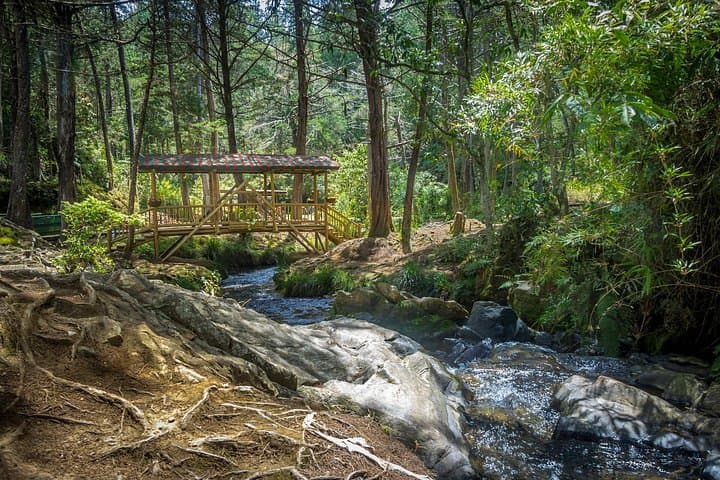
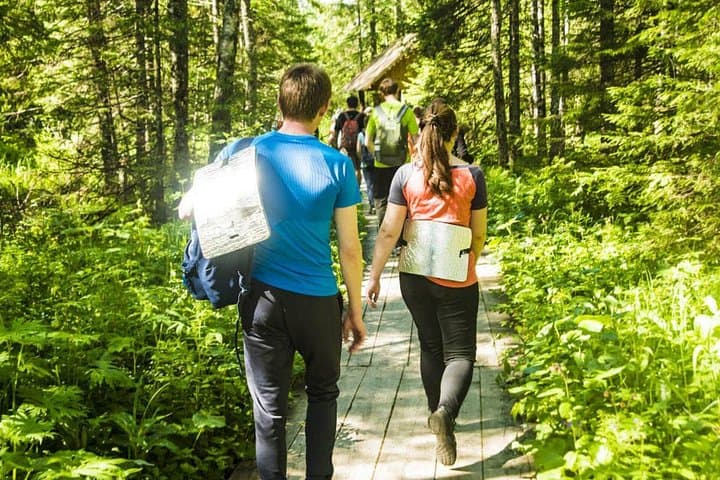
The experience balances city and wild: a neighborhood walk through viewpoints and oral histories, then a guided hike across indigenous trails to creeks and natural pools. Birdwatchers will find motmots and hummingbirds active at dawn and morning; guides point out edible plants, small-water habitats and the reservoir that anchors part of the park. Local vendors or your guide typically offer a homemade snack—sweet arepas or tamales—giving a practical taste of Antioquia’s kitchen.
Practicalities matter more on this route than romance. The tour runs about five hours from hotel pickup; expect 2–4 miles of mostly easy trails with some short climbs at altitude—Arví sits around 2,200 meters (about 7,200 ft), so take it steady if you’re coming from sea level. Footwear with grip, a light rain jacket and water are essential; mornings offer the best bird activity and clearer light for photos. Transportation is by Medellín’s cable car system and short transfers—no heavy gear or technical skills required, and the guide manages entry and routes so you see the park’s best sections without getting lost.
For travelers who want contrasts—people, history and high-country forest—this tour delivers a compact, informed encounter. It’s family-friendly and accessible, but bring sunscreen, insect repellent and respect for trails: Arví’s ecosystems recover quicker if visitors stick to paths. With the city angled below and the mountains ahead, the route offers a clear, tactile lesson in how Medellín’s urban story and Andean landscape are braided together.
The tour is approximately five hours from pickup to drop-off, including cable car rides, comuna visits and guided walks in Arví Park.
Yes; the route is rated easy and family-friendly, though some short uphill paths may be tiring—ask about pace when booking.
A traditional homemade snack is usually provided, but you may want to bring extra snacks if you have specific dietary needs.
There are public restrooms at main cable car stations and park visitor centers, but facilities are limited on remote trails.
Yes—the tour includes round-trip cable car transport from the city up to Arví Park as part of the itinerary.
Operators typically follow local health guidance; standard precautions like hand hygiene and staying home if ill are recommended.
Gran Colombia Tours operates guided outdoor trips and adventures with an emphasis on safety, stewardship, and memorable experiences.


The cable car hums and tilts you away from the city’s tight grid; below, colored houses of a comuna pull into a patchwork that climbs the eastern slope. As the cabin rises, the urban noise thins and the air cools—pine, wet earth and a hint of coffee follow. By the time you step out above the valley, Arví Park’s green shoulders have already started to press at your senses: streams daring you to follow, trail edges lined in orchids and bromeliads, and viewpoints that frame Medellín like a city still learning how to hold its mountains.
The cable car hums and tilts you away from the city’s tight grid; below, colored houses of a comuna pull into a patchwork that climbs the eastern slope. As the cabin rises, the urban noise thins and the air cools—pine, wet earth and a hint of coffee follow. By the time you step out above the valley, Arví Park’s green shoulders have already started to press at your senses: streams daring you to follow, trail edges lined in orchids and bromeliads, and viewpoints that frame Medellín like a city still learning how to hold its mountains.
This half-day tour threads two stories together—the sociopolitical history of the comunas and the older landscape above them. Comuna 2 (popularly reached via the Santo Domingo cable line) is one of Medellín’s densely populated neighborhoods whose murals, skate park and community library document decades of grassroots cultural recovery. Above, Arví Park occupies former pre-Columbian pathways and agricultural terraces now managed as a protected ecological reserve. The hills here are part of the Central Andes; river-carved valleys and volcanic-derived soils feed the springs and small waterfalls you walk past.
The experience balances city and wild: a neighborhood walk through viewpoints and oral histories, then a guided hike across indigenous trails to creeks and natural pools. Birdwatchers will find motmots and hummingbirds active at dawn and morning; guides point out edible plants, small-water habitats and the reservoir that anchors part of the park. Local vendors or your guide typically offer a homemade snack—sweet arepas or tamales—giving a practical taste of Antioquia’s kitchen.
Practicalities matter more on this route than romance. The tour runs about five hours from hotel pickup; expect 2–4 miles of mostly easy trails with some short climbs at altitude—Arví sits around 2,200 meters (about 7,200 ft), so take it steady if you’re coming from sea level. Footwear with grip, a light rain jacket and water are essential; mornings offer the best bird activity and clearer light for photos. Transportation is by Medellín’s cable car system and short transfers—no heavy gear or technical skills required, and the guide manages entry and routes so you see the park’s best sections without getting lost.
For travelers who want contrasts—people, history and high-country forest—this tour delivers a compact, informed encounter. It’s family-friendly and accessible, but bring sunscreen, insect repellent and respect for trails: Arví’s ecosystems recover quicker if visitors stick to paths. With the city angled below and the mountains ahead, the route offers a clear, tactile lesson in how Medellín’s urban story and Andean landscape are braided together.