THE ADVENTURE COLLECTIVE® · Independent discovery and booking for outdoor travel

Spend two days on the windswept Guajira coast with Wayúu hosts—hammocks on the beach, short climbs to sea-facing viewpoints, and visits to salt flats and flamingo lagoons. This compact cultural-and-nature tour is remote, immersive, and practical for travelers prepared for basic amenities.
Spend two days on the windswept Guajira coast with Wayúu hosts—hammocks on the beach, short climbs to sea-facing viewpoints, and visits to salt flats and flamingo lagoons. This compact cultural-and-nature tour is remote, immersive, and practical for travelers prepared for basic amenities.
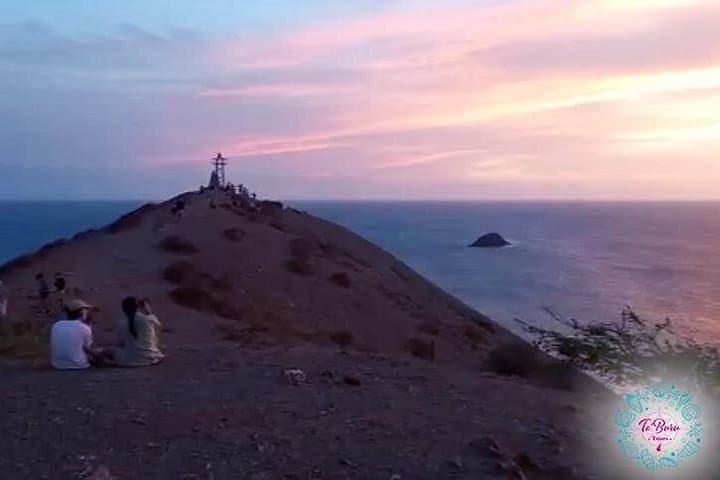
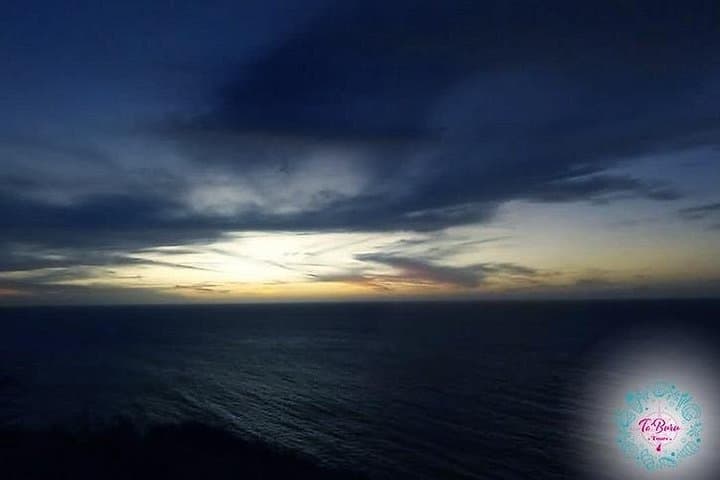
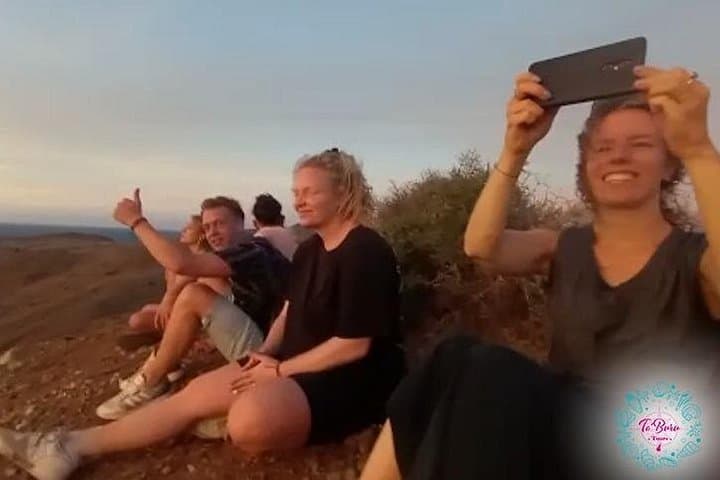
Sand underfoot turns from compacted wash to fine white grains as the road opens onto a low cape where wind shapes everything. On arrival at Cabo de la Vela the Caribbean breeze is immediate—salt on the air, sun on the skin, and the desert stretching inland like a warm, breathing map. You’ll climb the short, steep Pilón de Azúcar for a wide view of the sea, walk the sheltered bays of Playa Ojo de Agua, and stand at Faro to watch a sunset that pulls color from both desert and ocean.
Verified experiences and guided adventures in the surrounding area.
Operated by To'Buru • Tours · Cabo de la Vela, La Guajira
Sand underfoot turns from compacted wash to fine white grains as the road opens onto a low cape where wind shapes everything. On arrival at Cabo de la Vela the Caribbean breeze is immediate—salt on the air, sun on the skin, and the desert stretching inland like a warm, breathing map. You’ll climb the short, steep Pilón de Azúcar for a wide view of the sea, walk the sheltered bays of Playa Ojo de Agua, and stand at Faro to watch a sunset that pulls color from both desert and ocean.
This corner of La Guajira belongs to the Wayúu people, whose crafts, fishing, and seasonal grazing have defined life here for centuries. Geologically the cape is a meeting of arid plains and coastal carbonate beaches; wind and sea carve rock and sand into sharp edges and soft dunes. Nearby Salinas de Manaure reveals traditional salt-extraction methods and a pink lagoon where birds concentrate.
Practicalities shape the trip: accommodations are indigenous chinchorro hammocks or basic eco-lodges with intermittent electricity and limited running water. Expect remote logistics—manual confirmation, small-group transfers, and bilingual guiding. Bring sun protection, refillable water, a headlamp, and comfortable shoes for short hikes and rocky shorelines. Timing matters: early mornings and late afternoons are cooler and best for photography and cultural visits. Respect Wayúu customs, ask before photographing people or homes, and treat the fragile desert coastline with Leave No Trace. The tour balances cultural immersion with simple adventure—an accessible, two-day window into one of Colombia’s most windswept coasts.
Lodging is basic—traditional Wayúu hammocks and simple guesthouses with occasional electricity and limited water; bring personal essentials.
The tour is generally accessible but not recommended for those with spinal or serious cardiovascular issues; short climbs and sandy terrain can be challenging.
Basic snacks and handicrafts are available in towns like Uribia and Riohacha, but bring personal medications and specialty items with you.
Guides facilitate interactions with Wayúu communities; the operator donates a percentage to local projects—always ask permission before photographing and purchase local crafts to support livelihoods.
To'Buru • Tours operates guided outdoor trips and adventures with an emphasis on safety, stewardship, and memorable experiences.

Sand underfoot turns from compacted wash to fine white grains as the road opens onto a low cape where wind shapes everything. On arrival at Cabo de la Vela the Caribbean breeze is immediate—salt on the air, sun on the skin, and the desert stretching inland like a warm, breathing map. You’ll climb the short, steep Pilón de Azúcar for a wide view of the sea, walk the sheltered bays of Playa Ojo de Agua, and stand at Faro to watch a sunset that pulls color from both desert and ocean.
Sand underfoot turns from compacted wash to fine white grains as the road opens onto a low cape where wind shapes everything. On arrival at Cabo de la Vela the Caribbean breeze is immediate—salt on the air, sun on the skin, and the desert stretching inland like a warm, breathing map. You’ll climb the short, steep Pilón de Azúcar for a wide view of the sea, walk the sheltered bays of Playa Ojo de Agua, and stand at Faro to watch a sunset that pulls color from both desert and ocean.
This corner of La Guajira belongs to the Wayúu people, whose crafts, fishing, and seasonal grazing have defined life here for centuries. Geologically the cape is a meeting of arid plains and coastal carbonate beaches; wind and sea carve rock and sand into sharp edges and soft dunes. Nearby Salinas de Manaure reveals traditional salt-extraction methods and a pink lagoon where birds concentrate.
Practicalities shape the trip: accommodations are indigenous chinchorro hammocks or basic eco-lodges with intermittent electricity and limited running water. Expect remote logistics—manual confirmation, small-group transfers, and bilingual guiding. Bring sun protection, refillable water, a headlamp, and comfortable shoes for short hikes and rocky shorelines. Timing matters: early mornings and late afternoons are cooler and best for photography and cultural visits. Respect Wayúu customs, ask before photographing people or homes, and treat the fragile desert coastline with Leave No Trace. The tour balances cultural immersion with simple adventure—an accessible, two-day window into one of Colombia’s most windswept coasts.