THE ADVENTURE COLLECTIVE® · Independent discovery and booking for outdoor travel

See humpbacks close from a glass-bottom boat off Cabo San Lucas, then return to shore for a guided tequila tasting and shopping near the marina. Ideal between December and April, this four-hour outing pairs wildlife viewing with a taste of local culture.
See humpbacks close from a glass-bottom boat off Cabo San Lucas, then return to shore for a guided tequila tasting and shopping near the marina. Ideal between December and April, this four-hour outing pairs wildlife viewing with a taste of local culture.
The sunlight skims the Sea of Cortez and the Pacific, and the glass-bottom boat slips away from the marina toward the arch—water pressing cool and purposeful against the hull.
Verified experiences and guided adventures in the surrounding area.
Operated by Esperanza's Tours · Cabo San Lucas, Baja California Sur
The sunlight skims the Sea of Cortez and the Pacific, and the glass-bottom boat slips away from the marina toward the arch—water pressing cool and purposeful against the hull.
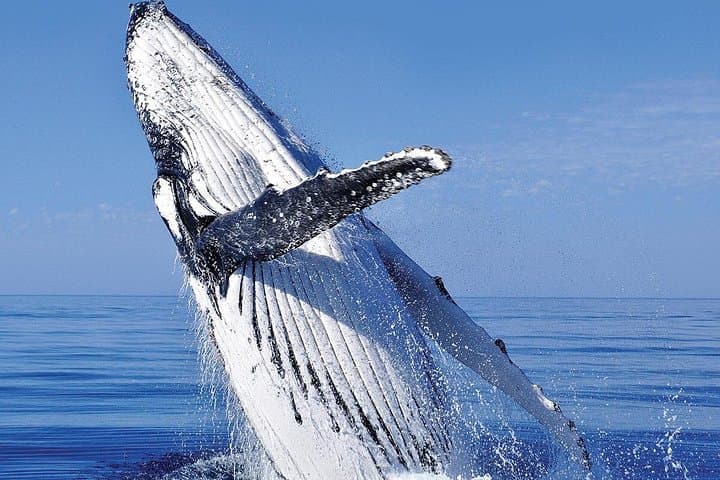
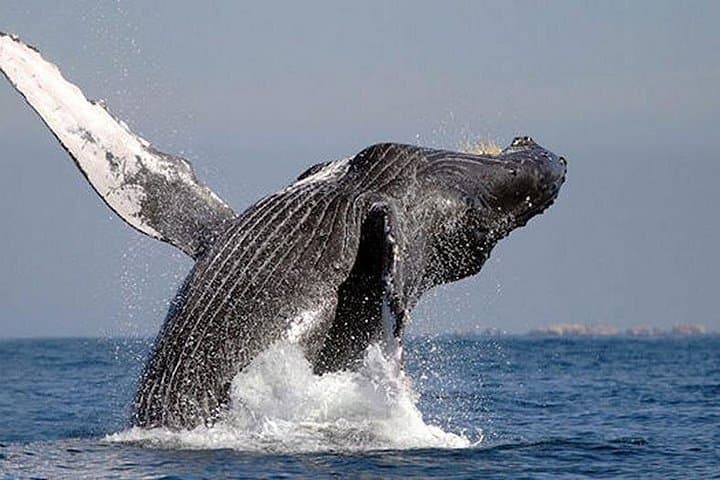
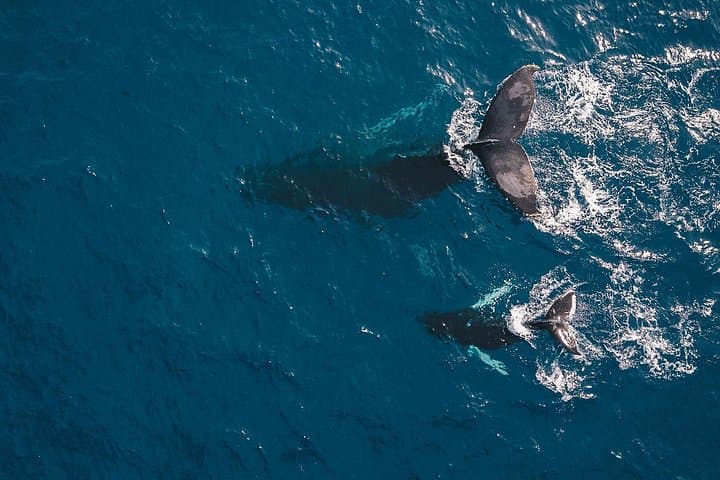
Within minutes the shorelines of Cabo San Lucas recede and you’re watching a horizon that pulses with life: spouts, flukes, and the slow shoulders of humpbacks as they surface to breathe. The boat’s clear viewing panel makes the sea feel close enough to touch, while the captain reads the water and points toward blows punctuating the swell. After two hours on the water, the trip returns to shore for a concise tequila tasting and a stretch of free time for shopping in the marina’s compact market.
Cabo’s whales follow a centuries-old migration into Baja’s warm winter lagoons to mate and calve; the region’s geology—where volcanic rock meets wind-polished cliffs—creates sheltered coves the whales favor. Local fishing and maritime culture shaped Cabo’s development from a fishing village to a busy port and tourist hub; the Arch (El Arco) remains the literal and cultural landmark that draws boats here.
Practical guidance: trips run primarily December–April when whales are most abundant; arrive early for calm seas and optimal light for photos. Wear non-slip shoes and layered clothing—the morning breeze can be sharp. Bring motion-sickness meds if you’re sensitive, and keep water and sunscreen handy. Respect distance rules around marine mammals: operators are required to limit approach to avoid stressing animals. Expect moderate crowds on weekends and cruise-ship days, but a glass-bottom vessel gives more personal viewing than large catamarans.
Peak whale season is December through April, with highest sightings often in February and March when humpbacks migrate to breed and calve.
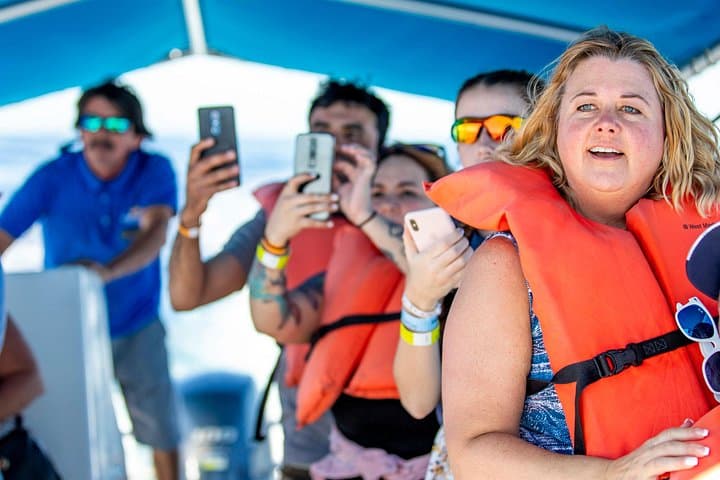
Yes—infants must sit on an adult’s lap; children should be supervised at all times and operators often have life vests available.
Take over-the-counter or prescription seasickness medication before boarding and choose a midship seat where motion is minimized.
No—operators maximize sightings based on experience and local reports, but wildlife sightings cannot be guaranteed; the season significantly improves chances.
Esperanza's Tours operates guided outdoor trips and adventures with an emphasis on safety, stewardship, and memorable experiences.
The sunlight skims the Sea of Cortez and the Pacific, and the glass-bottom boat slips away from the marina toward the arch—water pressing cool and purposeful against the hull.
The sunlight skims the Sea of Cortez and the Pacific, and the glass-bottom boat slips away from the marina toward the arch—water pressing cool and purposeful against the hull.
Within minutes the shorelines of Cabo San Lucas recede and you’re watching a horizon that pulses with life: spouts, flukes, and the slow shoulders of humpbacks as they surface to breathe. The boat’s clear viewing panel makes the sea feel close enough to touch, while the captain reads the water and points toward blows punctuating the swell. After two hours on the water, the trip returns to shore for a concise tequila tasting and a stretch of free time for shopping in the marina’s compact market.
Cabo’s whales follow a centuries-old migration into Baja’s warm winter lagoons to mate and calve; the region’s geology—where volcanic rock meets wind-polished cliffs—creates sheltered coves the whales favor. Local fishing and maritime culture shaped Cabo’s development from a fishing village to a busy port and tourist hub; the Arch (El Arco) remains the literal and cultural landmark that draws boats here.
Practical guidance: trips run primarily December–April when whales are most abundant; arrive early for calm seas and optimal light for photos. Wear non-slip shoes and layered clothing—the morning breeze can be sharp. Bring motion-sickness meds if you’re sensitive, and keep water and sunscreen handy. Respect distance rules around marine mammals: operators are required to limit approach to avoid stressing animals. Expect moderate crowds on weekends and cruise-ship days, but a glass-bottom vessel gives more personal viewing than large catamarans.