THE ADVENTURE COLLECTIVE® · Independent discovery and booking for outdoor travel

Board a small glass-bottom boat from Cabo San Lucas for a two-hour wildlife cruise past Land’s End. An onboard marine biologist explains humpback behavior while you watch whales, sea lions, and the underwater world through the viewing panel.
Board a small glass-bottom boat from Cabo San Lucas for a two-hour wildlife cruise past Land’s End. An onboard marine biologist explains humpback behavior while you watch whales, sea lions, and the underwater world through the viewing panel.
You push off the marina as sunlight hits the Pacific, the harbor falling away and the Sea of Cortez opening like a draft of cool air. The boat threads toward Land’s End—El Arco rising from volcanic rock—and the glass panel underfoot turns the water into a moving window where fish scatter and rays glide like ink strokes.
Verified experiences and guided adventures in the surrounding area.
Operated by Explore Los Cabos · Cabo San Lucas, Baja California Sur
You push off the marina as sunlight hits the Pacific, the harbor falling away and the Sea of Cortez opening like a draft of cool air. The boat threads toward Land’s End—El Arco rising from volcanic rock—and the glass panel underfoot turns the water into a moving window where fish scatter and rays glide like ink strokes.
This stretch of Baja California Sur sits at the meeting point of the Pacific and the Gulf of California, a corridor funneling migrating humpback whales between winter breeding grounds and summer feeding areas. The geology here is recent in geologic terms—uplifted basalt and tuff shaped by waves and tectonics—so spires and sea stacks stand exposed, their faces often colonized by noisy sea lions that claim the rocks as stages.
Cabo’s fishing and maritime heritage still shapes local life; fisheries and ecotourism coexist alongside small seafood stands in the marina. Onboard, a marine biologist outlines whale behavior, migration timing, and how to read the water for blows or tail slaps.
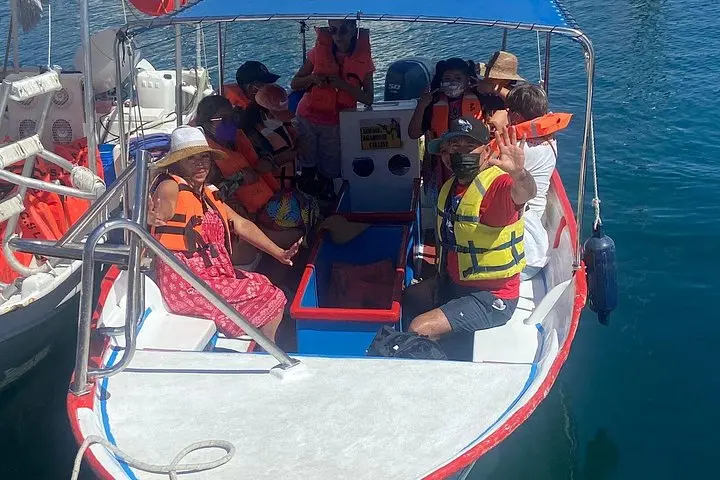
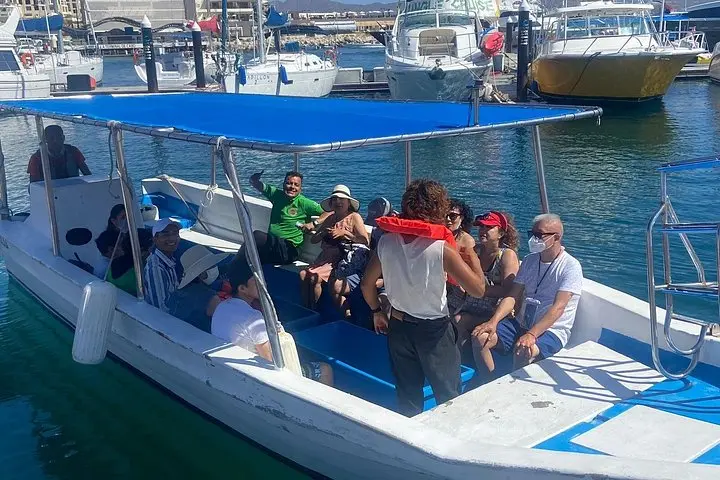
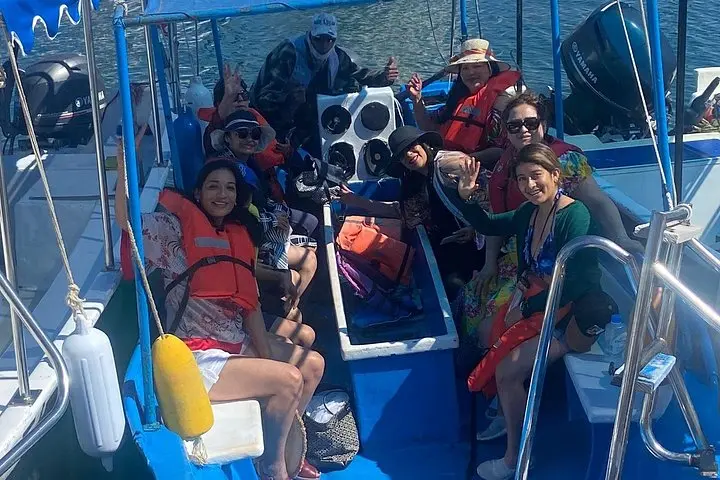
Practical guidance: tours run about two hours, with morning departures usually offering calmer seas and steadier sightings. The small-group setup (max ~10–15) gives room to move for photos and to peer into the glass panel. Bring layered sun protection, a light windbreaker for spray, and a camera with a telephoto lens. Seas can be choppy—if you’re prone to motion sickness, plan accordingly.
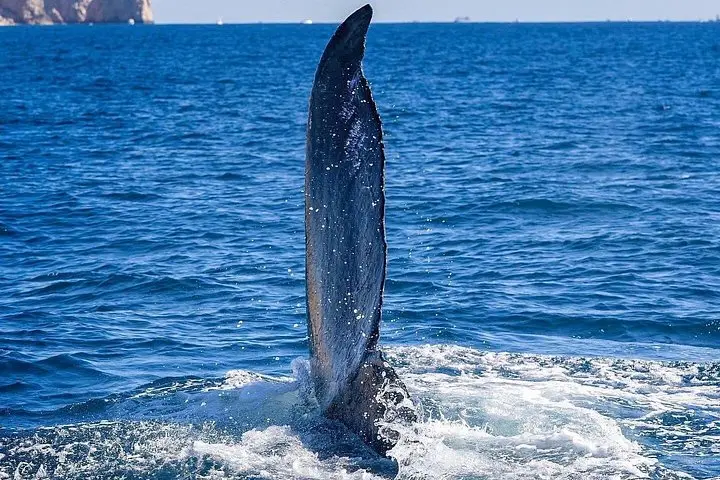
Respect viewing distances, follow crew instructions, and allow the animals to lead the encounter: whales decide when to surface, breach, or show their flukes, and the best sightings are earned by patience and attentive listening to the sea.
The standard tour is about two hours from boarding to return to the marina.
Sightings are common in whale season but not guaranteed; the crew and marine biologist increase odds by following known migration routes and local sightings.
Yes—infants must sit on an adult’s lap; the tour is rated easy, but consider motion sickness risk for young children.
Yes—private options are available for groups wanting a more personalized experience; book in advance for peak season.
Explore Los Cabos operates guided outdoor trips and adventures with an emphasis on safety, stewardship, and memorable experiences.
You push off the marina as sunlight hits the Pacific, the harbor falling away and the Sea of Cortez opening like a draft of cool air. The boat threads toward Land’s End—El Arco rising from volcanic rock—and the glass panel underfoot turns the water into a moving window where fish scatter and rays glide like ink strokes.
You push off the marina as sunlight hits the Pacific, the harbor falling away and the Sea of Cortez opening like a draft of cool air. The boat threads toward Land’s End—El Arco rising from volcanic rock—and the glass panel underfoot turns the water into a moving window where fish scatter and rays glide like ink strokes.
This stretch of Baja California Sur sits at the meeting point of the Pacific and the Gulf of California, a corridor funneling migrating humpback whales between winter breeding grounds and summer feeding areas. The geology here is recent in geologic terms—uplifted basalt and tuff shaped by waves and tectonics—so spires and sea stacks stand exposed, their faces often colonized by noisy sea lions that claim the rocks as stages.
Cabo’s fishing and maritime heritage still shapes local life; fisheries and ecotourism coexist alongside small seafood stands in the marina. Onboard, a marine biologist outlines whale behavior, migration timing, and how to read the water for blows or tail slaps.
Practical guidance: tours run about two hours, with morning departures usually offering calmer seas and steadier sightings. The small-group setup (max ~10–15) gives room to move for photos and to peer into the glass panel. Bring layered sun protection, a light windbreaker for spray, and a camera with a telephoto lens. Seas can be choppy—if you’re prone to motion sickness, plan accordingly.
Respect viewing distances, follow crew instructions, and allow the animals to lead the encounter: whales decide when to surface, breach, or show their flukes, and the best sightings are earned by patience and attentive listening to the sea.