THE ADVENTURE COLLECTIVE® · Independent discovery and booking for outdoor travel

Step aboard a small-group whale-watching cruise from Cabo’s Marina and listen to whale songs through a hydrophone while marine biologists narrate sightings at Land’s End. This 2.5-hour tour blends close viewing with conservation-minded practice and onboard photography.
Step aboard a small-group whale-watching cruise from Cabo’s Marina and listen to whale songs through a hydrophone while marine biologists narrate sightings at Land’s End. This 2.5-hour tour blends close viewing with conservation-minded practice and onboard photography.
The Marina of Cabo San Lucas hums before sunrise: skiffs slicing reflected light, fishermen fixing nets, and the hush of the Pacific promising a different kind of noise — whale song. By the time the Bluefish Tours boat slips free of the dock, the captain has already chosen the route. We thread past the jagged silhouette of El Arco — Land’s End — where the sea chiselled granite into a doorway, and the first spray of a humpback punctuates the water like punctuation.
Verified experiences and guided adventures in the surrounding area.
Operated by Best Cabo Tours, LLC · Cabo San Lucas, Baja California Sur
The Marina of Cabo San Lucas hums before sunrise: skiffs slicing reflected light, fishermen fixing nets, and the hush of the Pacific promising a different kind of noise — whale song. By the time the Bluefish Tours boat slips free of the dock, the captain has already chosen the route. We thread past the jagged silhouette of El Arco — Land’s End — where the sea chiselled granite into a doorway, and the first spray of a humpback punctuates the water like punctuation.
What sets this trip apart is the hydrophone, a professional-grade microphone lowered into the water so the ocean can speak back. Underwater tones and clicks move through the hull with an odd intimacy: whales are no longer distant giants but active, communicating presences. The guides, marine biologists and naturalists certified by Mexico’s RABEN network, pair that audio with fieldnotes — fluke patterns, breathing intervals, and the ethical rules that keep the boat at a respectful distance.
Los Cabos sits where two seas meet: the broad Pacific and the calmer Sea of Cortez. That junction has shaped both local geology and life. Granite that erupted millions of years ago weathered into the archways tourists now line up to photograph; seasonal currents funnel migrating cetaceans through the channel. Human history here is maritime — a mix of fishing, small-scale trade, and more recently, conservation efforts that monitor whale populations and reduce ship strikes.
The outing is compact and practical: a 2.5-hour, small-group cruise that typically samples landmarks like Pelican’s Rock, the sea lion colony, and Lover’s Beach before heading offshore to look for breaches and spouts. A professional photographer documents sightings, and photos are available for purchase afterward. The crew also explains their research projects and how travelers can support local protection programs.
Plan for sun, spray, and motion: mornings are calmer and increase the odds of both sightings and clear audio. Bring layers — a windbreaker and a hat — and keep sunscreen and a refillable water bottle close. If you’re prone to seasickness, take preventive medication an hour before departure. Accessibility is thoughtful: the operation lists wheelchair and stroller access and is suitable for most fitness levels, though moving on and off the boat requires steady footing.
This tour isn’t just about photos; it’s an opportunity to listen, learn, and leave with a clearer understanding of a fragile coastal ecosystem. With responsible operators, a small group limit, and a focus on conservation, it’s a memorable way to experience Cabo’s marine life without crowding it.
Peak whale season runs roughly December through April, when migrating humpbacks and other cetaceans pass near Los Cabos; mornings often offer the calmest conditions.
Hydrophones increase the chance of hearing vocalizations, but whales may be silent or too distant; guides try to position for both sighting and sound when possible.
Yes — the operator notes stroller access and family-friendly policies, but life jackets and attentive supervision are required for young children on deck.
A professional photographer documents sightings; photos are available for purchase after the trip rather than included in the base price.
You can cancel for a full refund at least 24 hours before departure; the operator may cancel and refund if weather or insufficient bookings make the tour unsafe.
Captains follow responsible-distance guidelines and RABEN protocols — the boat will approach cautiously to view behavior without causing disturbance.
Best Cabo Tours, LLC operates guided outdoor trips and adventures with an emphasis on safety, stewardship, and memorable experiences.
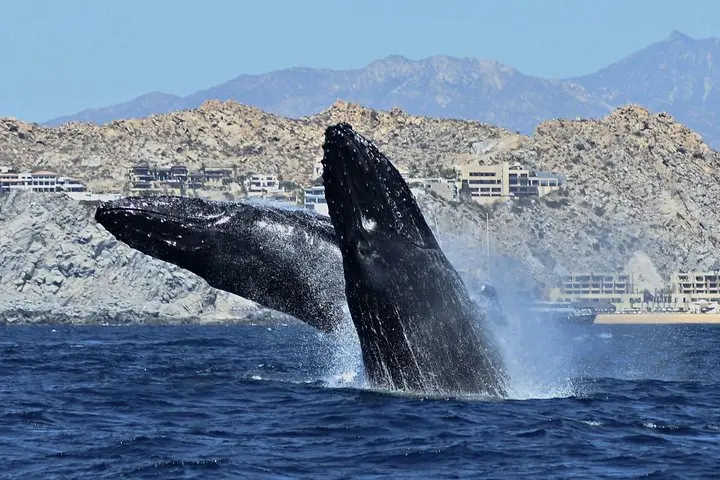
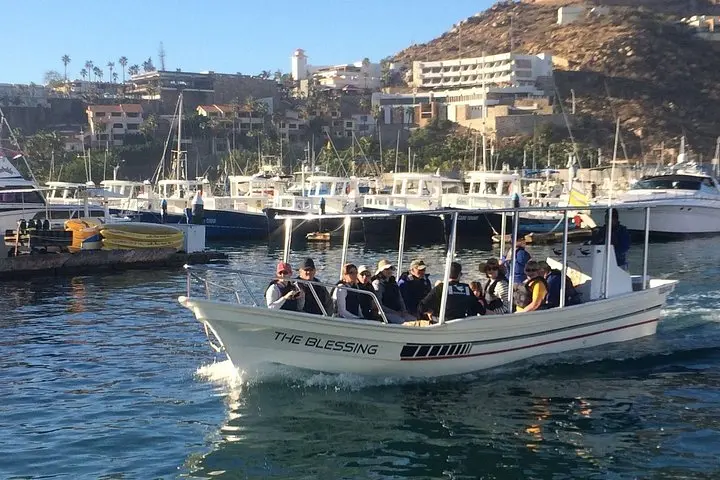
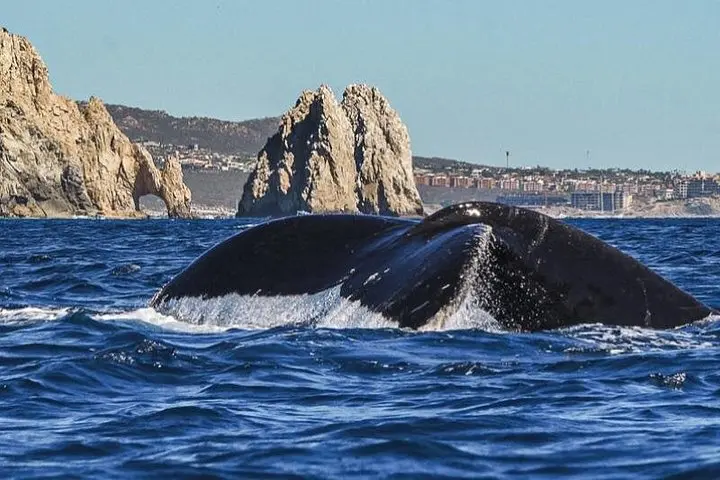
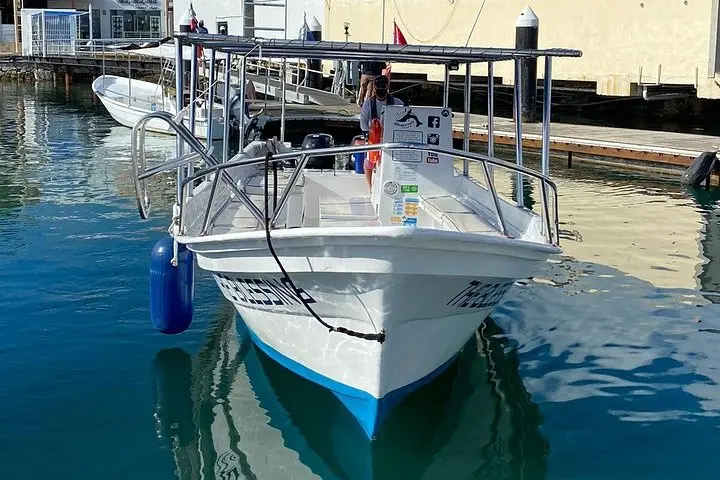
The Marina of Cabo San Lucas hums before sunrise: skiffs slicing reflected light, fishermen fixing nets, and the hush of the Pacific promising a different kind of noise — whale song. By the time the Bluefish Tours boat slips free of the dock, the captain has already chosen the route. We thread past the jagged silhouette of El Arco — Land’s End — where the sea chiselled granite into a doorway, and the first spray of a humpback punctuates the water like punctuation.
The Marina of Cabo San Lucas hums before sunrise: skiffs slicing reflected light, fishermen fixing nets, and the hush of the Pacific promising a different kind of noise — whale song. By the time the Bluefish Tours boat slips free of the dock, the captain has already chosen the route. We thread past the jagged silhouette of El Arco — Land’s End — where the sea chiselled granite into a doorway, and the first spray of a humpback punctuates the water like punctuation.
What sets this trip apart is the hydrophone, a professional-grade microphone lowered into the water so the ocean can speak back. Underwater tones and clicks move through the hull with an odd intimacy: whales are no longer distant giants but active, communicating presences. The guides, marine biologists and naturalists certified by Mexico’s RABEN network, pair that audio with fieldnotes — fluke patterns, breathing intervals, and the ethical rules that keep the boat at a respectful distance.
Los Cabos sits where two seas meet: the broad Pacific and the calmer Sea of Cortez. That junction has shaped both local geology and life. Granite that erupted millions of years ago weathered into the archways tourists now line up to photograph; seasonal currents funnel migrating cetaceans through the channel. Human history here is maritime — a mix of fishing, small-scale trade, and more recently, conservation efforts that monitor whale populations and reduce ship strikes.
The outing is compact and practical: a 2.5-hour, small-group cruise that typically samples landmarks like Pelican’s Rock, the sea lion colony, and Lover’s Beach before heading offshore to look for breaches and spouts. A professional photographer documents sightings, and photos are available for purchase afterward. The crew also explains their research projects and how travelers can support local protection programs.
Plan for sun, spray, and motion: mornings are calmer and increase the odds of both sightings and clear audio. Bring layers — a windbreaker and a hat — and keep sunscreen and a refillable water bottle close. If you’re prone to seasickness, take preventive medication an hour before departure. Accessibility is thoughtful: the operation lists wheelchair and stroller access and is suitable for most fitness levels, though moving on and off the boat requires steady footing.
This tour isn’t just about photos; it’s an opportunity to listen, learn, and leave with a clearer understanding of a fragile coastal ecosystem. With responsible operators, a small group limit, and a focus on conservation, it’s a memorable way to experience Cabo’s marine life without crowding it.