THE ADVENTURE COLLECTIVE® · Independent discovery and booking for outdoor travel

Cruise from Cabo’s marina to Chileno Bay for a three-hour snorkeling trip over a shallow natural reef. Expect clear water, abundant reef fish, occasional sea lions, and practical amenities like equipment and a buffet lunch.
Cruise from Cabo’s marina to Chileno Bay for a three-hour snorkeling trip over a shallow natural reef. Expect clear water, abundant reef fish, occasional sea lions, and practical amenities like equipment and a buffet lunch.
A morning breeze lifts off the marina as a compact charter slips past sportfishermen and the brown shoulders of El Arco, heading east toward Chileno Bay. The Sea of Cortez opens up in warm, glassy swells; the boat slows, and the reef reveals itself as a band of color below—parrotfish, angelfish and the occasional ray weaving through coral heads.
Verified experiences and guided adventures in the surrounding area.
Operated by Caborey · Cabo San Lucas, Baja California Sur
A morning breeze lifts off the marina as a compact charter slips past sportfishermen and the brown shoulders of El Arco, heading east toward Chileno Bay. The Sea of Cortez opens up in warm, glassy swells; the boat slows, and the reef reveals itself as a band of color below—parrotfish, angelfish and the occasional ray weaving through coral heads.
Chileno Bay sits on volcanic limestone formed millions of years ago, its shallow reef a favored feeding ground that sustained local fishing communities long before Cabo became a tourist hub. The bay’s clear water and protected cove made it an early waypoint for pearl divers and, later, for sport fishers who built the town’s maritime culture.
Expect short swims from a moored boat to shallow reefs, with visibility often 15–30 meters on calm days and currents that can nudge you toward a glide rather than a struggle. Sea lions patrol the deeper drop-offs and dolphins sometimes race the boat’s bow—nature’s challenge and company.
Practical notes: check in 30 minutes before departure at the marina, wear reef-safe sunscreen, and use the provided snorkel gear or bring a well-fitted mask for better visibility. Mornings are cooler, calmer and best for underwater photography; afternoons bring more wind and chop. If you’re prone to seasickness, take medication beforehand and hydrate—the sun and salt can dehydrate quickly. Guides usually include an "all you can eat" buffet and soft drinks, and boards or kayaks may be available. Respect the reef—look, float, don’t touch—and plan for a three-hour excursion that’s equal parts marine spectacle and easy coastal cruising.
Yes—standard masks, snorkels and fins are included, but many guests bring their own for fit and comfort.
Yes; children are permitted but should be confident in the water and accompanied by an adult—infant seats and stroller access are noted in logistics.
The operator cancels for unsafe conditions and offers a full refund if you cancel at least 24 hours before departure; check with the vendor for same-day changes.
The marina area is wheelchair accessible, but boarding a small boat and moving on a wet deck may present challenges—contact the operator for assistance arrangements.
Caborey operates guided outdoor trips and adventures with an emphasis on safety, stewardship, and memorable experiences.
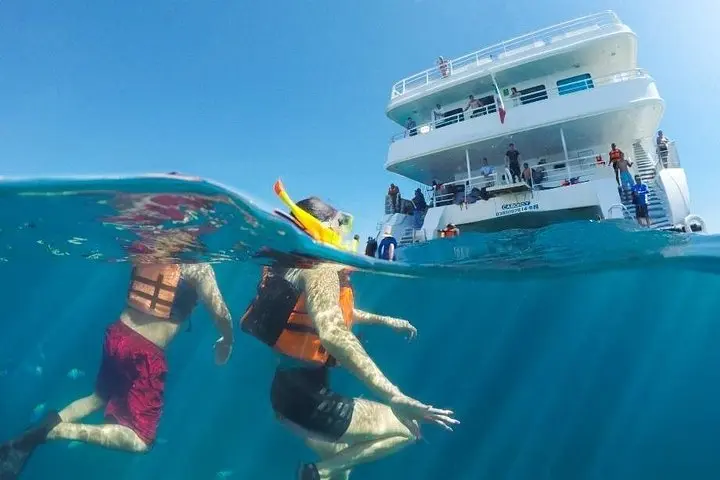
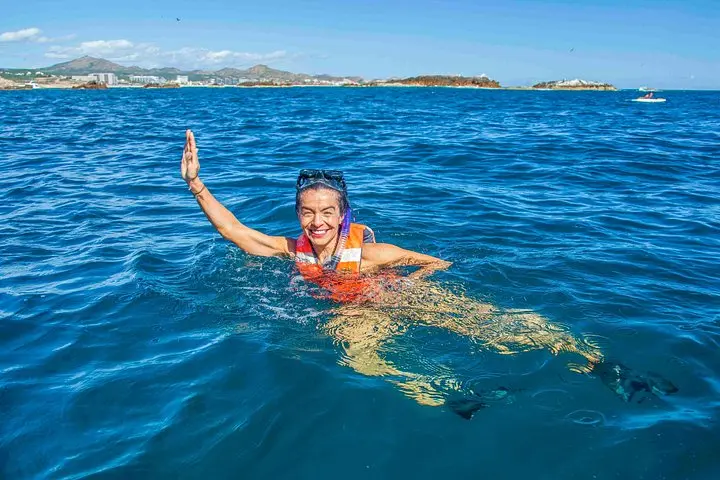
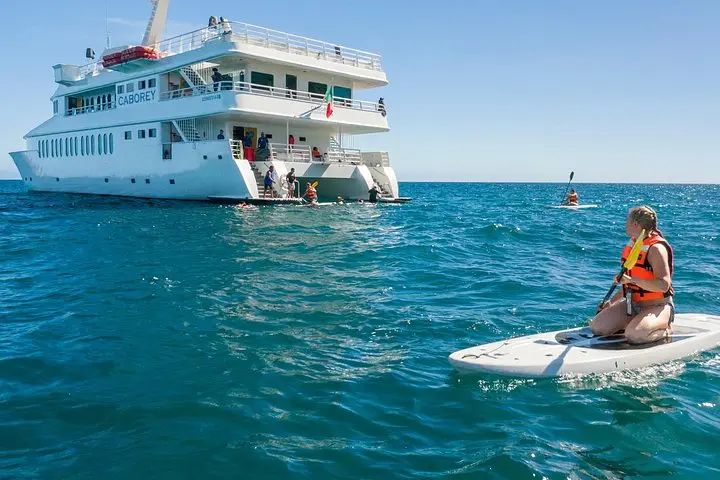
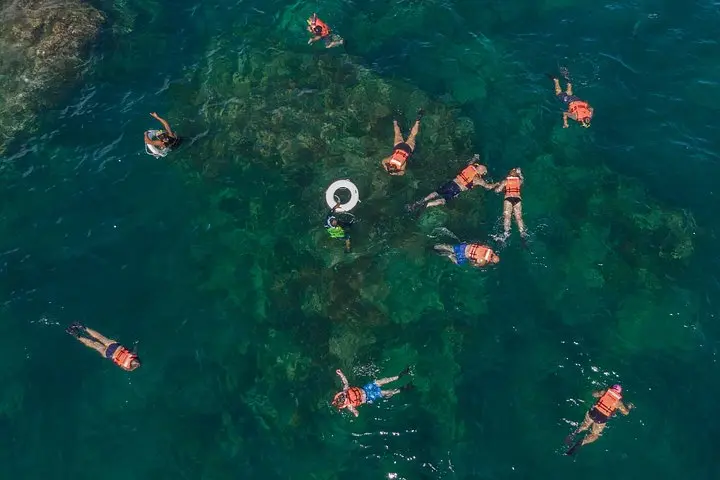
A morning breeze lifts off the marina as a compact charter slips past sportfishermen and the brown shoulders of El Arco, heading east toward Chileno Bay. The Sea of Cortez opens up in warm, glassy swells; the boat slows, and the reef reveals itself as a band of color below—parrotfish, angelfish and the occasional ray weaving through coral heads.
A morning breeze lifts off the marina as a compact charter slips past sportfishermen and the brown shoulders of El Arco, heading east toward Chileno Bay. The Sea of Cortez opens up in warm, glassy swells; the boat slows, and the reef reveals itself as a band of color below—parrotfish, angelfish and the occasional ray weaving through coral heads.
Chileno Bay sits on volcanic limestone formed millions of years ago, its shallow reef a favored feeding ground that sustained local fishing communities long before Cabo became a tourist hub. The bay’s clear water and protected cove made it an early waypoint for pearl divers and, later, for sport fishers who built the town’s maritime culture.
Expect short swims from a moored boat to shallow reefs, with visibility often 15–30 meters on calm days and currents that can nudge you toward a glide rather than a struggle. Sea lions patrol the deeper drop-offs and dolphins sometimes race the boat’s bow—nature’s challenge and company.
Practical notes: check in 30 minutes before departure at the marina, wear reef-safe sunscreen, and use the provided snorkel gear or bring a well-fitted mask for better visibility. Mornings are cooler, calmer and best for underwater photography; afternoons bring more wind and chop. If you’re prone to seasickness, take medication beforehand and hydrate—the sun and salt can dehydrate quickly. Guides usually include an "all you can eat" buffet and soft drinks, and boards or kayaks may be available. Respect the reef—look, float, don’t touch—and plan for a three-hour excursion that’s equal parts marine spectacle and easy coastal cruising.