THE ADVENTURE COLLECTIVE® · Independent discovery and booking for outdoor travel

Head out from Cabo San Lucas for a responsible, certified whale-watching cruise that includes hydrophone listening and professional photos. Learn about whale behavior, conservation practices, and capture the moment without compromising the animals' wellbeing.
Head out from Cabo San Lucas for a responsible, certified whale-watching cruise that includes hydrophone listening and professional photos. Learn about whale behavior, conservation practices, and capture the moment without compromising the animals' wellbeing.
The boat slips loose from the dock and the Pacific opens up like a restless room — wind shaping the surface, gulls riding the bow wake, and the coastline sliding aft. Within half an hour the boat reaches deeper water where spouts and curved backs puncture the horizon; the guide points, and the ocean answers with low, rolling exhales.
Verified experiences and guided adventures in the surrounding area.
Operated by Blue & Wild Experiences · Cabo San Lucas, Baja California Sur
The boat slips loose from the dock and the Pacific opens up like a restless room — wind shaping the surface, gulls riding the bow wake, and the coastline sliding aft. Within half an hour the boat reaches deeper water where spouts and curved backs puncture the horizon; the guide points, and the ocean answers with low, rolling exhales.
Baja California Sur sits on a migratory highway. Each winter humpback whales travel from northern feeding grounds to these warm bays to calve and sing. The rock formations around Land's End and El Arco are carved from granite and volcanic action, offering dramatic contrast to the soft lines of the mammals you’re here to see. Local fishing and maritime culture have adapted around these cycles, and certified guides in Cabo now operate under NOM-09-TUR-2002 standards to prioritize animal welfare.
This two-hour, small-group boat excursion blends wildlife viewing with education: guides explain behavior and migration, demonstrate hydrophone listening so you can hear whale song beneath the surface, and photograph encounters for you. Operators practice responsible viewing distances and donate part of proceeds to conservation projects.
Practicalities: bring a windproof layer, sun protection, and binoculars; expect gentle rolling seas and short, guided talks about identification and how to reduce your footprint. If you're prone to motion sickness, take preventative meds before boarding. Timing matters — peak whale season is late December through April — but humpbacks may appear outside that window.
The trip is accessible for most travelers, offers wheelchair-friendly boarding, and rewards quiet attention: whales rarely perform on cue, but when they do, the sound you capture through the hydrophone can make the Pacific feel like a living, breathing companion.
Peak season is typically late December through April when humpbacks arrive to breed and calf, though sightings can occur outside this window depending on migratory patterns.
The guide lowers a hydrophone into the water so passengers can listen to low-frequency whale vocalizations; it’s best heard when the boat is stationary and guests remain quiet.
Yes; the operator lists wheelchair and stroller accessibility and infants can ride on laps, though boarding assistance may be required for some visitors.
Guides follow responsible viewing protocols and maintain a respectful distance to avoid disturbing whales; you’ll still have excellent viewing and hydrophone listening opportunities.
Blue & Wild Experiences operates guided outdoor trips and adventures with an emphasis on safety, stewardship, and memorable experiences.
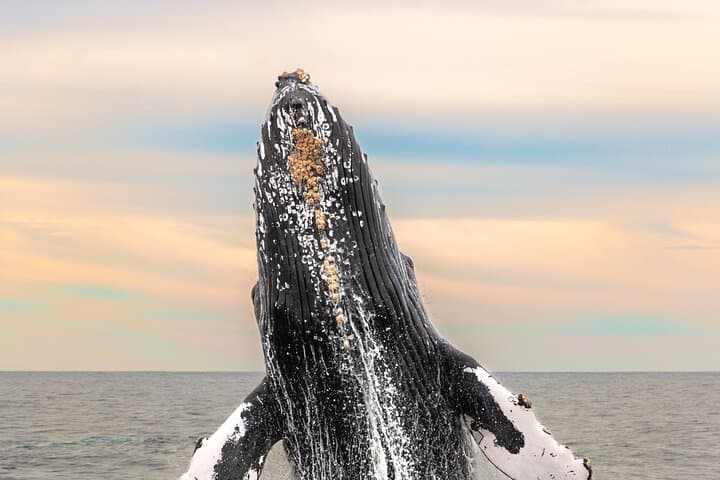
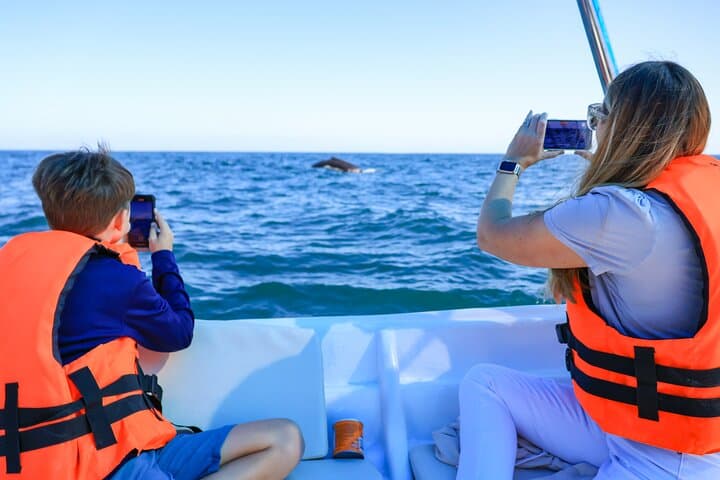
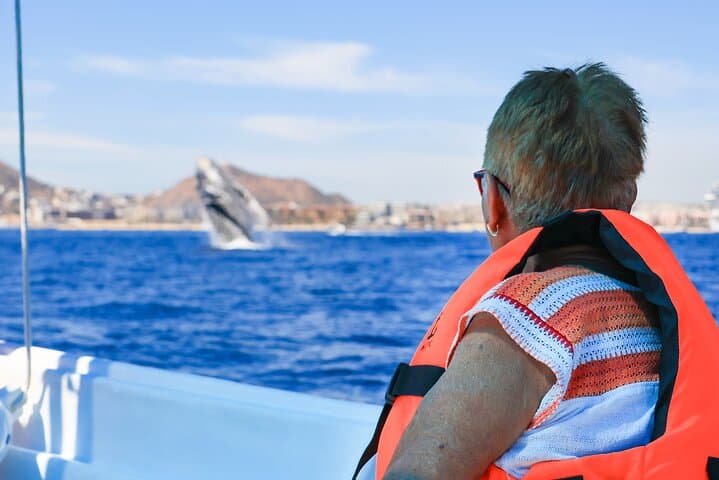
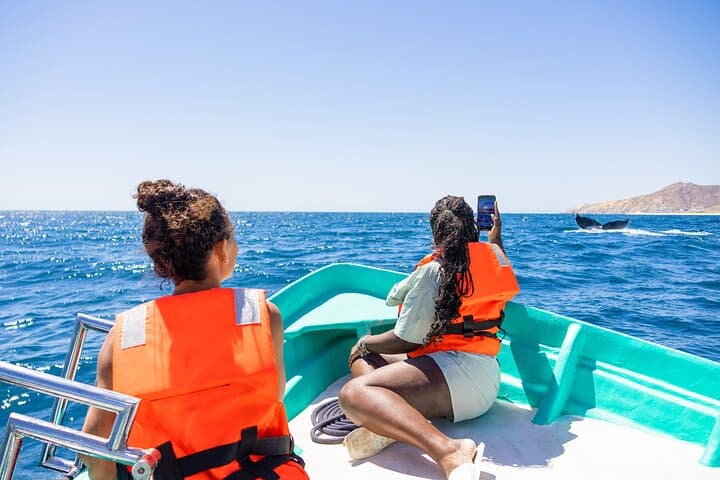
The boat slips loose from the dock and the Pacific opens up like a restless room — wind shaping the surface, gulls riding the bow wake, and the coastline sliding aft. Within half an hour the boat reaches deeper water where spouts and curved backs puncture the horizon; the guide points, and the ocean answers with low, rolling exhales.
The boat slips loose from the dock and the Pacific opens up like a restless room — wind shaping the surface, gulls riding the bow wake, and the coastline sliding aft. Within half an hour the boat reaches deeper water where spouts and curved backs puncture the horizon; the guide points, and the ocean answers with low, rolling exhales.
Baja California Sur sits on a migratory highway. Each winter humpback whales travel from northern feeding grounds to these warm bays to calve and sing. The rock formations around Land's End and El Arco are carved from granite and volcanic action, offering dramatic contrast to the soft lines of the mammals you’re here to see. Local fishing and maritime culture have adapted around these cycles, and certified guides in Cabo now operate under NOM-09-TUR-2002 standards to prioritize animal welfare.
This two-hour, small-group boat excursion blends wildlife viewing with education: guides explain behavior and migration, demonstrate hydrophone listening so you can hear whale song beneath the surface, and photograph encounters for you. Operators practice responsible viewing distances and donate part of proceeds to conservation projects.
Practicalities: bring a windproof layer, sun protection, and binoculars; expect gentle rolling seas and short, guided talks about identification and how to reduce your footprint. If you're prone to motion sickness, take preventative meds before boarding. Timing matters — peak whale season is late December through April — but humpbacks may appear outside that window.
The trip is accessible for most travelers, offers wheelchair-friendly boarding, and rewards quiet attention: whales rarely perform on cue, but when they do, the sound you capture through the hydrophone can make the Pacific feel like a living, breathing companion.