THE ADVENTURE COLLECTIVE® · Independent discovery and booking for outdoor travel

Small-group Zodiac runs out of Cabo San Lucas during whale season deliver close viewing, hydrophone audio of humpback song, and complimentary photos. Plan for 2–3 hours on the water and follow local viewing rules to keep encounters safe.
Small-group Zodiac runs out of Cabo San Lucas during whale season deliver close viewing, hydrophone audio of humpback song, and complimentary photos. Plan for 2–3 hours on the water and follow local viewing rules to keep encounters safe.
The boat slides off the marina like a pen tracing a bold line across the bay, and the city’s roofs fall away until the only motion is the short rhythm of the Zodiac and the long, patient breaths of the sea. Guides scan the horizon—white splashes and dark backs—while a hydrophone lowers into the water and the ocean begins to speak in low, looping songs.
Verified experiences and guided adventures in the surrounding area.
Operated by Baja Vikings Ecoventures · Cabo San Lucas, Baja California Sur
The boat slides off the marina like a pen tracing a bold line across the bay, and the city’s roofs fall away until the only motion is the short rhythm of the Zodiac and the long, patient breaths of the sea. Guides scan the horizon—white splashes and dark backs—while a hydrophone lowers into the water and the ocean begins to speak in low, looping songs.
Cabo San Lucas sits at the meeting point of the Pacific Ocean and the Sea of Cortez; that convergence draws humpback whales from December through April to breed and nurse calves. The region’s volcanic geology and deep offshore channels create nutrient pockets that support baitfish schools, which in turn fuel larger marine mammals. Local fishing and maritime culture have long adapted to the seasonal migration, and responsible operators now follow strict viewing guidelines to protect mother and calf pairs.
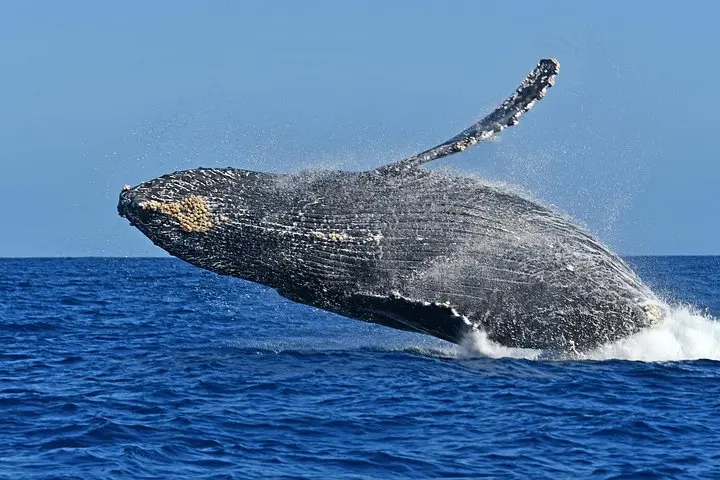
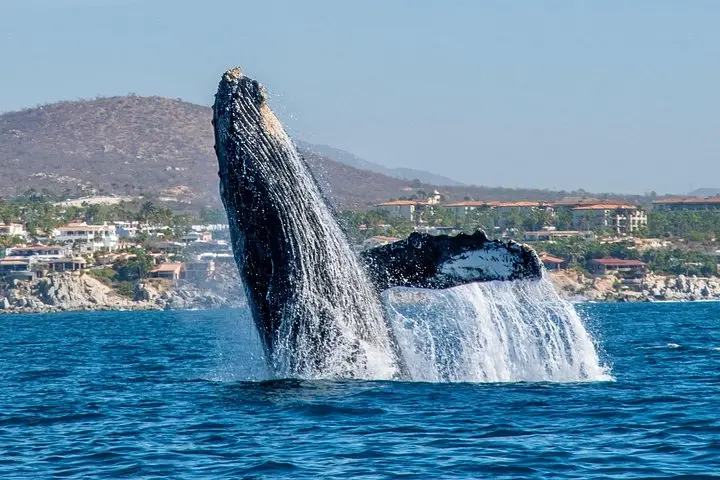
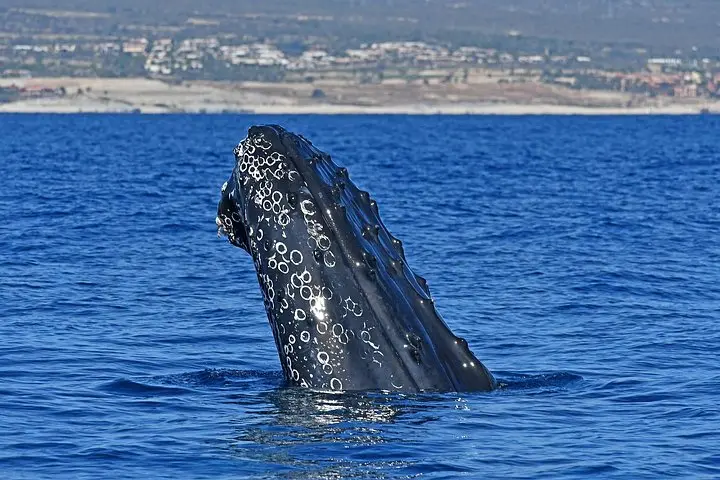
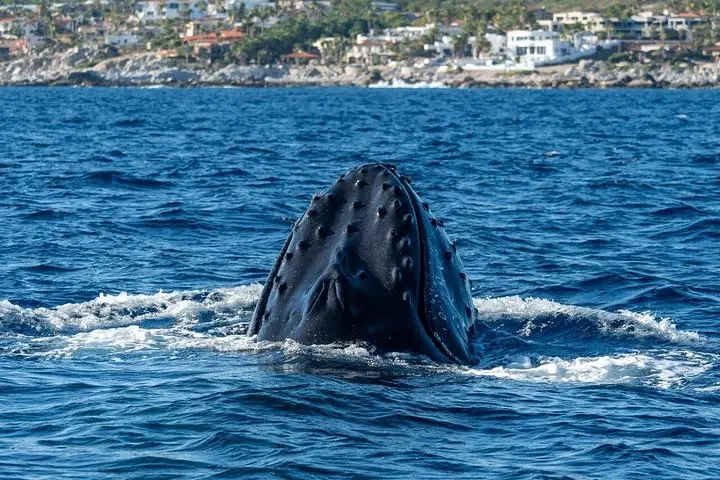
Onboard a 28-foot Apex Zodiac designed to ride on top of the water, small groups get close-range viewing without the churn of bigger boats. Expect 2–3 hours total—roughly 20–60 minutes transit to typical feeding lanes—and a mix of surface behaviors: breaching, tail-slaps, spy-hops and the haunting underwater songs picked up on the hydrophone.
Practical guidance: arrive early to check in at the marina, wear non-slip shoes, and layer windproof outerwear—mornings are cool and spray is common. Apply reef-safe sunscreen and bring seasickness medication if you are prone; guides provide water, snacks, and all photos and videos after the tour. Follow the crew’s approach-distance rules to keep encounters safe and legal for the animals.
Peak season runs from December through April when humpbacks migrate to warm Baja waters to breed and nurse calves.
Operators follow local guidelines and keep a respectful distance—expect close visual encounters without disruptive approaches to the animals.
Yes; this tour provides all photos and videos taken by the crew free of charge after the trip.
The tour is advertised as wheelchair and stroller accessible for boarding; infants must sit on laps. Check with the operator about specific mobility needs before booking.
Baja Vikings Ecoventures operates guided outdoor trips and adventures with an emphasis on safety, stewardship, and memorable experiences.
The boat slides off the marina like a pen tracing a bold line across the bay, and the city’s roofs fall away until the only motion is the short rhythm of the Zodiac and the long, patient breaths of the sea. Guides scan the horizon—white splashes and dark backs—while a hydrophone lowers into the water and the ocean begins to speak in low, looping songs.
The boat slides off the marina like a pen tracing a bold line across the bay, and the city’s roofs fall away until the only motion is the short rhythm of the Zodiac and the long, patient breaths of the sea. Guides scan the horizon—white splashes and dark backs—while a hydrophone lowers into the water and the ocean begins to speak in low, looping songs.
Cabo San Lucas sits at the meeting point of the Pacific Ocean and the Sea of Cortez; that convergence draws humpback whales from December through April to breed and nurse calves. The region’s volcanic geology and deep offshore channels create nutrient pockets that support baitfish schools, which in turn fuel larger marine mammals. Local fishing and maritime culture have long adapted to the seasonal migration, and responsible operators now follow strict viewing guidelines to protect mother and calf pairs.
Onboard a 28-foot Apex Zodiac designed to ride on top of the water, small groups get close-range viewing without the churn of bigger boats. Expect 2–3 hours total—roughly 20–60 minutes transit to typical feeding lanes—and a mix of surface behaviors: breaching, tail-slaps, spy-hops and the haunting underwater songs picked up on the hydrophone.
Practical guidance: arrive early to check in at the marina, wear non-slip shoes, and layer windproof outerwear—mornings are cool and spray is common. Apply reef-safe sunscreen and bring seasickness medication if you are prone; guides provide water, snacks, and all photos and videos after the tour. Follow the crew’s approach-distance rules to keep encounters safe and legal for the animals.