THE ADVENTURE COLLECTIVE® · Independent discovery and booking for outdoor travel

Walk a sustainably managed cacao forest, taste fermented beans, then shape your own chocolate in a hands-on chocolatier class near Santa Marta. This 3-hour experience pairs low-impact farming insights with a practical, sensory guide to chocolate making.
Walk a sustainably managed cacao forest, taste fermented beans, then shape your own chocolate in a hands-on chocolatier class near Santa Marta. This 3-hour experience pairs low-impact farming insights with a practical, sensory guide to chocolate making.
A slow river cuts through humid shade as participants arrive at a small cacao farm outside Santa Marta, Colombia. Sun filters through broad leaves and the scent of fermenting beans hangs in the air; the day begins with boots on soft soil and hands learning the cadence of cacao work.
Verified experiences and guided adventures in the surrounding area.
Operated by Reserva Natural La Esperanza · Santa Marta, Magdalena
A slow river cuts through humid shade as participants arrive at a small cacao farm outside Santa Marta, Colombia. Sun filters through broad leaves and the scent of fermenting beans hangs in the air; the day begins with boots on soft soil and hands learning the cadence of cacao work.
The farm sits on soils weathered from the nearby Sierra Nevada foothills, where cacao has been tended for generations. Cacao here is both crop and culture: Indigenous and Afro-Colombian communities shaped local farming practices, and modern agroforestry blends traditional shade trees with sustainable pest control. Geology matters — steep, mineral-rich slopes and a coastal climate give these beans distinct acidity and floral notes.
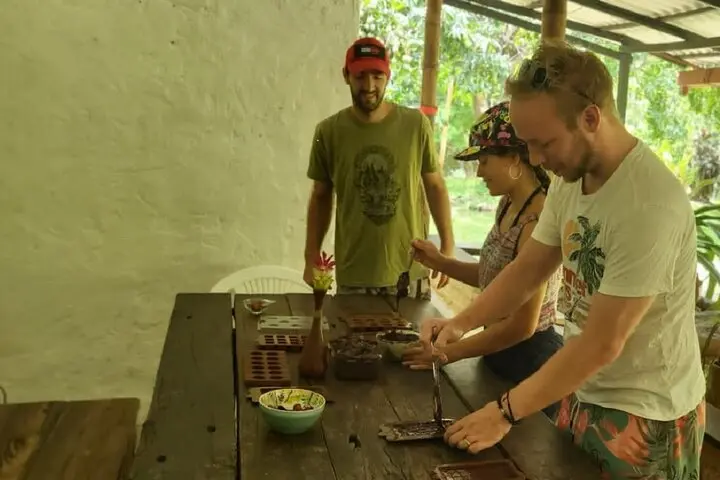
On the tour, expect a guided walk through managed cacao forest, a tasting that traces fermentation to flavor, and a hands-on chocolatier session making truffles and bars. The experience typically finishes with a short river walk or time at clear pools near the farm, where cool water offers a contrast to the humid fields.
Practical notes: the visit is light activity — uneven dirt paths and some short steps. Wear closed-toe shoes that can get muddy, bring insect repellent, and carry a refillable water bottle. Mornings are cooler and drier; midday is best for the chocolate workshop when the kitchen is active. The farm offers allergy-friendly options but pregnant guests are advised against participating. Plan for a 3-hour visit with an intimate group setting and reserve in advance during the dry season (Dec–Apr).
This is an accessible, sensory way to see how landscape, culture, and careful farming shape a single piece of chocolate.
Yes—it's suitable for children and beginners; activities are hands-on and paced, though infants must sit on laps and some parts involve hot equipment.
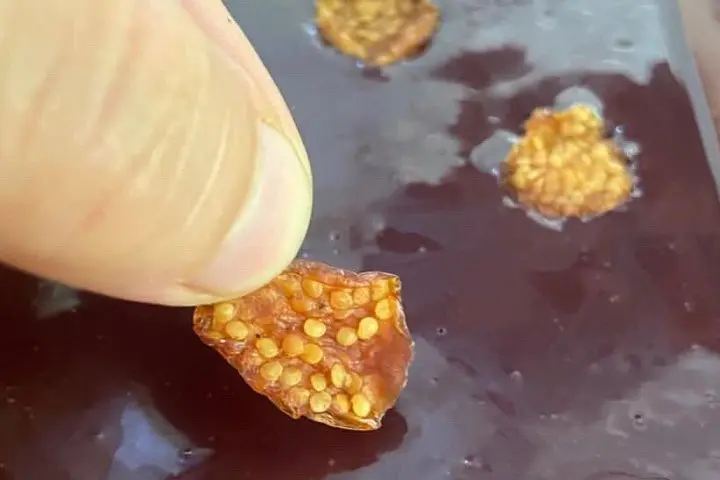
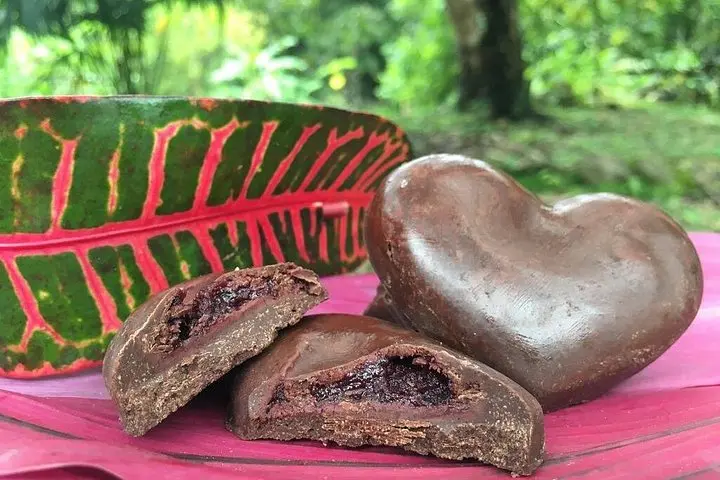
Participants sample fermented beans and take part in the transformation—tempering, molding, and flavoring—to produce small bonbons or bars.
Transport arrangements vary; check the vendor listing—public transport options exist nearby but many guests arrange private transfers or taxis from Santa Marta.
Yes—the experience notes allergy-friendly options and can accommodate celiac or diabetic needs, but pregnant travelers are advised not to participate.
Reserva Natural La Esperanza operates guided outdoor trips and adventures with an emphasis on safety, stewardship, and memorable experiences.

A slow river cuts through humid shade as participants arrive at a small cacao farm outside Santa Marta, Colombia. Sun filters through broad leaves and the scent of fermenting beans hangs in the air; the day begins with boots on soft soil and hands learning the cadence of cacao work.
A slow river cuts through humid shade as participants arrive at a small cacao farm outside Santa Marta, Colombia. Sun filters through broad leaves and the scent of fermenting beans hangs in the air; the day begins with boots on soft soil and hands learning the cadence of cacao work.
The farm sits on soils weathered from the nearby Sierra Nevada foothills, where cacao has been tended for generations. Cacao here is both crop and culture: Indigenous and Afro-Colombian communities shaped local farming practices, and modern agroforestry blends traditional shade trees with sustainable pest control. Geology matters — steep, mineral-rich slopes and a coastal climate give these beans distinct acidity and floral notes.
On the tour, expect a guided walk through managed cacao forest, a tasting that traces fermentation to flavor, and a hands-on chocolatier session making truffles and bars. The experience typically finishes with a short river walk or time at clear pools near the farm, where cool water offers a contrast to the humid fields.
Practical notes: the visit is light activity — uneven dirt paths and some short steps. Wear closed-toe shoes that can get muddy, bring insect repellent, and carry a refillable water bottle. Mornings are cooler and drier; midday is best for the chocolate workshop when the kitchen is active. The farm offers allergy-friendly options but pregnant guests are advised against participating. Plan for a 3-hour visit with an intimate group setting and reserve in advance during the dry season (Dec–Apr).
This is an accessible, sensory way to see how landscape, culture, and careful farming shape a single piece of chocolate.