THE ADVENTURE COLLECTIVE® · Independent discovery and booking for outdoor travel

A half-day hike up Figueira Valley that pairs steep, terraced trails with hands-on cachupa cooking and local storytelling. Expect dramatic views, active farming terraces, and a cultural immersion into Santo Antão life.
A half-day hike up Figueira Valley that pairs steep, terraced trails with hands-on cachupa cooking and local storytelling. Expect dramatic views, active farming terraces, and a cultural immersion into Santo Antão life.
You step off the ferry-light wind pushing salt and sharp mountain air through town—and Ribeira Grande unfolds: narrow streets, stone houses, and the green throat of Figueira Valley rising like a wall. The trail climbs quickly, terraces and banana trees sliding past as streams murmur and the island’s basalt cliffs keep watch.
Verified experiences and guided adventures in the surrounding area.
Operated by CapeVerdeTours · Ribeira Grande, Santo Antão
You step off the ferry-light wind pushing salt and sharp mountain air through town—and Ribeira Grande unfolds: narrow streets, stone houses, and the green throat of Figueira Valley rising like a wall. The trail climbs quickly, terraces and banana trees sliding past as streams murmur and the island’s basalt cliffs keep watch.
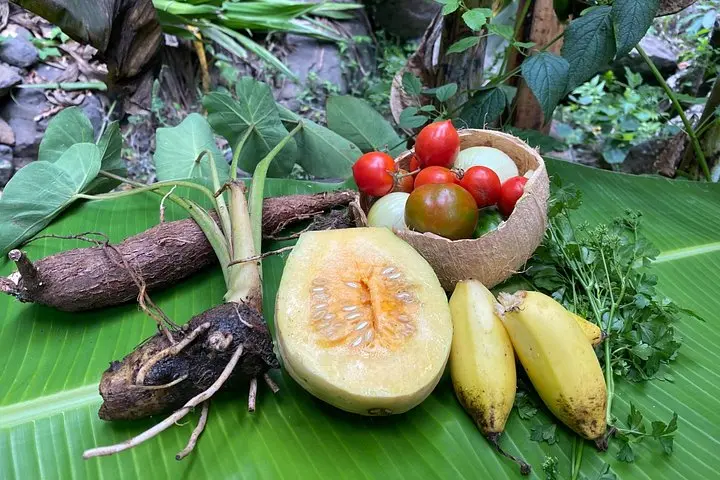
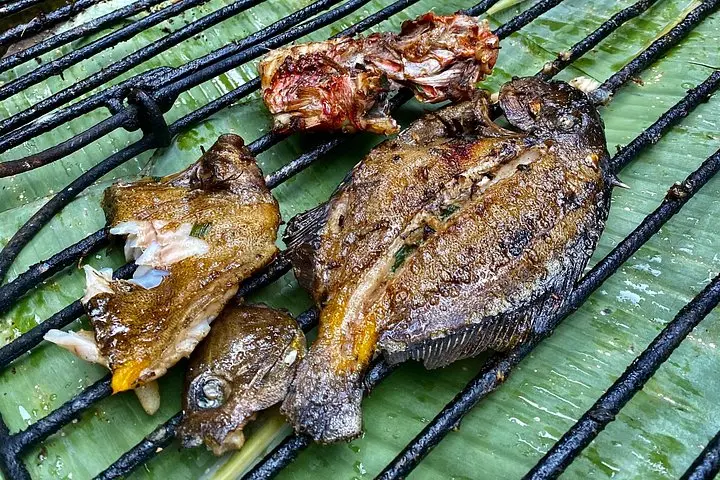
Santo Antão’s ridges are volcanic in origin—layers of cooled lava carved by rain into deep ribeiras (valleys). Human history is visible in the stepped agriculture: generations shaped the slopes to grow cassava, maize, and bananas. On this hike you’ll meet those patterns up close—local guides explain how cachupa, Cape Verde’s slow-cooked stew, grew from these fields and tells stories of migration, fishing villages, and resilient mountain life.
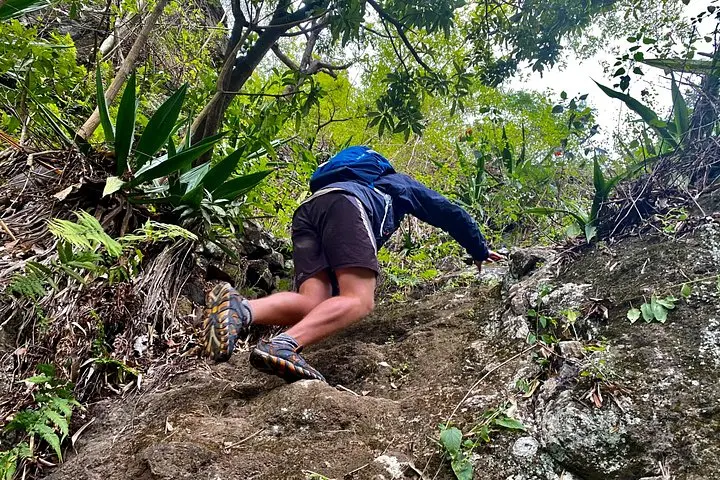
The walk itself is a mix of steep stone paths, narrow terraces, and shaded tracks through native shrubs. Expect generous viewpoints over Ribeira Grande and out to the Atlantic; the wind often has its own agenda, urging you toward the next ridge. At the summit edge you can take part in harvesting or pounding cassava and learn to assemble cachupa before the descent, finishing with coffee in town.
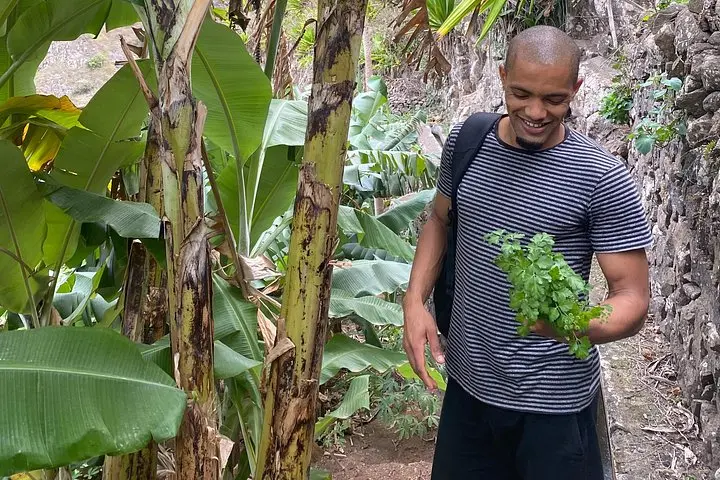
Practical tips: this is a demanding half-day—plan for variable footing, sun exposure, and a steady ascent. Bring layered clothing for wind and cool summit temps, extra water, and sturdy shoes with good traction. Start early for the clearest views and softer light for photos. Respect private terraces while foraging and follow your guide’s lead when collecting ingredients—these are working farms, not a foraging free-for-all.
The tour runs about six hours total and includes steady uphill sections on uneven, sometimes steep terrace paths—suitable for hikers in moderate shape.
Yes—participants can help forage and prepare cachupa at the top; alternatives are available on request for dietary needs.
The operator can return you to hotels or the Porto Novo ferry after the hike—confirm pickup/drop-off details when booking.
This tour is not recommended for pregnant travelers or those with significant spinal or heart issues; check with the operator about children on a case-by-case basis.
CapeVerdeTours operates guided outdoor trips and adventures with an emphasis on safety, stewardship, and memorable experiences.
You step off the ferry-light wind pushing salt and sharp mountain air through town—and Ribeira Grande unfolds: narrow streets, stone houses, and the green throat of Figueira Valley rising like a wall. The trail climbs quickly, terraces and banana trees sliding past as streams murmur and the island’s basalt cliffs keep watch.
You step off the ferry-light wind pushing salt and sharp mountain air through town—and Ribeira Grande unfolds: narrow streets, stone houses, and the green throat of Figueira Valley rising like a wall. The trail climbs quickly, terraces and banana trees sliding past as streams murmur and the island’s basalt cliffs keep watch.
Santo Antão’s ridges are volcanic in origin—layers of cooled lava carved by rain into deep ribeiras (valleys). Human history is visible in the stepped agriculture: generations shaped the slopes to grow cassava, maize, and bananas. On this hike you’ll meet those patterns up close—local guides explain how cachupa, Cape Verde’s slow-cooked stew, grew from these fields and tells stories of migration, fishing villages, and resilient mountain life.
The walk itself is a mix of steep stone paths, narrow terraces, and shaded tracks through native shrubs. Expect generous viewpoints over Ribeira Grande and out to the Atlantic; the wind often has its own agenda, urging you toward the next ridge. At the summit edge you can take part in harvesting or pounding cassava and learn to assemble cachupa before the descent, finishing with coffee in town.
Practical tips: this is a demanding half-day—plan for variable footing, sun exposure, and a steady ascent. Bring layered clothing for wind and cool summit temps, extra water, and sturdy shoes with good traction. Start early for the clearest views and softer light for photos. Respect private terraces while foraging and follow your guide’s lead when collecting ingredients—these are working farms, not a foraging free-for-all.