THE ADVENTURE COLLECTIVE® · Independent discovery and booking for outdoor travel

Play a modern treasure hunt through Cagliari’s historic streets using a phone-based game that weaves local myths into clues. Expect 1.5–2 hours of walking, history, and lesser-known urban corners.
Play a modern treasure hunt through Cagliari’s historic streets using a phone-based game that weaves local myths into clues. Expect 1.5–2 hours of walking, history, and lesser-known urban corners.
You begin at a sun-warmed piazza, phone in hand and the city’s limestone ribcage opening before you. Cagliari’s narrow lanes push and pull like a crowd; the sea smells faintly of salt and diesel, and the hilltop Castello district watches with tiled patience. The game drops you into that rhythm—solve a riddle, follow a clue, and Porta Cristina or a quieter corner of Stampace reveals itself as the next chapter.
Verified experiences and guided adventures in the surrounding area.
Operated by Questo · Cagliari, Sardinia
You begin at a sun-warmed piazza, phone in hand and the city’s limestone ribcage opening before you. Cagliari’s narrow lanes push and pull like a crowd; the sea smells faintly of salt and diesel, and the hilltop Castello district watches with tiled patience. The game drops you into that rhythm—solve a riddle, follow a clue, and Porta Cristina or a quieter corner of Stampace reveals itself as the next chapter.
The Janas are Sardinian household spirits from pre-Roman folklore—tiny, clever figures credited in local stories with leaving mysterious structures and secret places. Cagliari itself is layered: Phoenician and Roman foundations under medieval walls, with tuff and limestone quarried into balconies and stairways that collect centuries of footprints. Walking these streets is a study in geology and human habit: terraces carved for sun, stone steps polished by generations.
Culturally, the route threads through markets, churches, and lesser-known alleys where local life continues between clues. The experience works as a self-paced urban escape game—part treasure hunt, part city tour—meant to prompt curiosity about architecture and myth.
Practical guidance: allow 1.5–2 hours, wear stable walking shoes, and charge your phone before starting. Public transit and parking are available near central start points; the game is mobile-delivered and suitable for small groups. Expect lots of walking on uneven pavement and the freedom to pause at cafés. For a richer visit, combine the game with a market stop for local cheeses or a gelato break—Cagliari rewards those who look close.
Yes—the game is delivered via a mobile app or mobile web link provided after booking; a data connection is recommended.
One ticket per booking is allowed, but organizers recommend one device per player for the optimal interactive experience.
Some areas include stairs and narrow lanes; parts are stroller-friendly but full accessibility may be limited—contact local support for specifics.
The game and instructions typically come in Italian and English; check your booking confirmation for exact language options.
Questo operates guided outdoor trips and adventures with an emphasis on safety, stewardship, and memorable experiences.


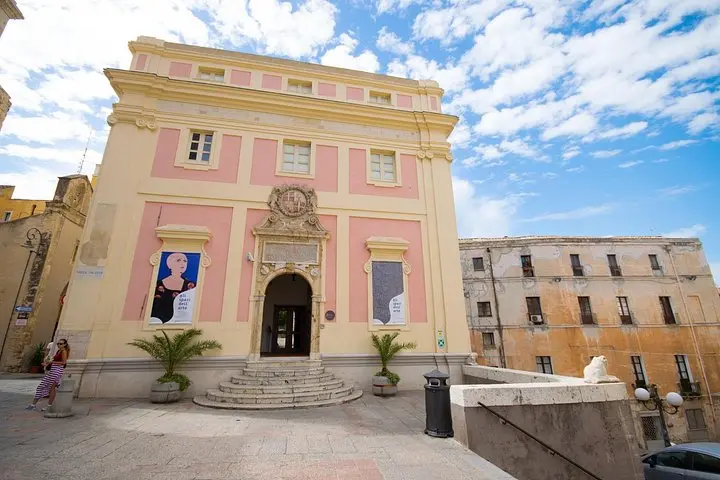

You begin at a sun-warmed piazza, phone in hand and the city’s limestone ribcage opening before you. Cagliari’s narrow lanes push and pull like a crowd; the sea smells faintly of salt and diesel, and the hilltop Castello district watches with tiled patience. The game drops you into that rhythm—solve a riddle, follow a clue, and Porta Cristina or a quieter corner of Stampace reveals itself as the next chapter.
You begin at a sun-warmed piazza, phone in hand and the city’s limestone ribcage opening before you. Cagliari’s narrow lanes push and pull like a crowd; the sea smells faintly of salt and diesel, and the hilltop Castello district watches with tiled patience. The game drops you into that rhythm—solve a riddle, follow a clue, and Porta Cristina or a quieter corner of Stampace reveals itself as the next chapter.
The Janas are Sardinian household spirits from pre-Roman folklore—tiny, clever figures credited in local stories with leaving mysterious structures and secret places. Cagliari itself is layered: Phoenician and Roman foundations under medieval walls, with tuff and limestone quarried into balconies and stairways that collect centuries of footprints. Walking these streets is a study in geology and human habit: terraces carved for sun, stone steps polished by generations.
Culturally, the route threads through markets, churches, and lesser-known alleys where local life continues between clues. The experience works as a self-paced urban escape game—part treasure hunt, part city tour—meant to prompt curiosity about architecture and myth.
Practical guidance: allow 1.5–2 hours, wear stable walking shoes, and charge your phone before starting. Public transit and parking are available near central start points; the game is mobile-delivered and suitable for small groups. Expect lots of walking on uneven pavement and the freedom to pause at cafés. For a richer visit, combine the game with a market stop for local cheeses or a gelato break—Cagliari rewards those who look close.