THE ADVENTURE COLLECTIVE® · Independent discovery and booking for outdoor travel

Coastal trails, a protected coral reef and easy rainforest encounters make Cahuita National Park a compact Caribbean adventure. Plan for a half- to full-day exploring beaches, snorkeling shallow reefs and watching capuchins in the canopy.
Coastal trails, a protected coral reef and easy rainforest encounters make Cahuita National Park a compact Caribbean adventure. Plan for a half- to full-day exploring beaches, snorkeling shallow reefs and watching capuchins in the canopy.
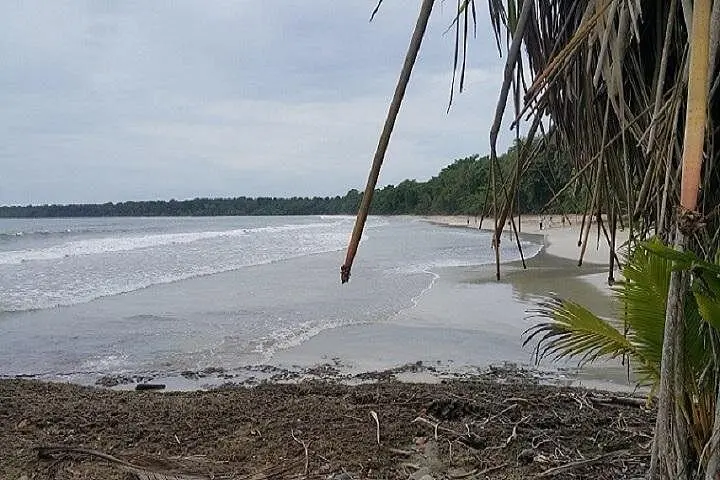
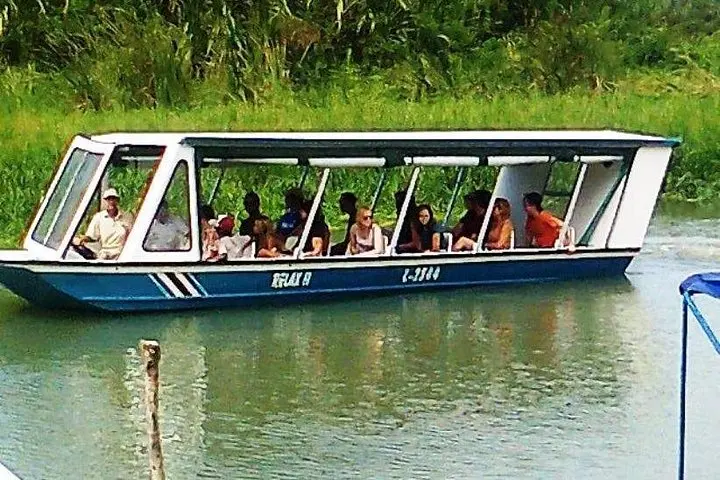
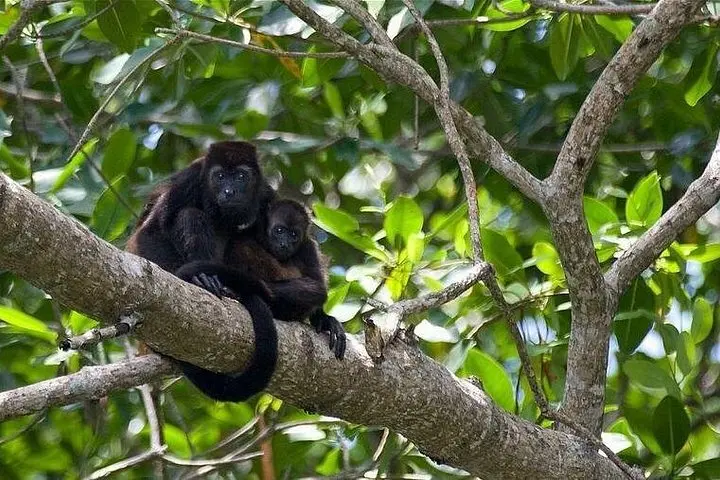
A morning along Cahuita’s shoreline opens like a practical lesson in Caribbean ecology: surf laps small coves, reef flats shimmer with coral gardens, and a narrow trail threads between mangroves and low rainforest. Walks here move at the pace of the tide—crabs scuttle underfoot, iguanas sun themselves on roots, and capuchin monkeys peep from the canopy as if timing the next curious human.
Verified experiences and guided adventures in the surrounding area.
Operated by Your Lucky tour · Cahuita, Limón
A morning along Cahuita’s shoreline opens like a practical lesson in Caribbean ecology: surf laps small coves, reef flats shimmer with coral gardens, and a narrow trail threads between mangroves and low rainforest. Walks here move at the pace of the tide—crabs scuttle underfoot, iguanas sun themselves on roots, and capuchin monkeys peep from the canopy as if timing the next curious human.
Established to protect both coastal forest and reef, Cahuita National Park covers roughly 1,067 hectares, including about 240 hectares of coral reef that supports snorkeling year-round. Its geology is simple and honest: low-lying beaches backed by alluvial and coastal soils, reef flats exposed at low tide, and only modest elevation changes on the shore-side trail—expect mostly flat, sandy and rocky terrain rather than steep climbs.
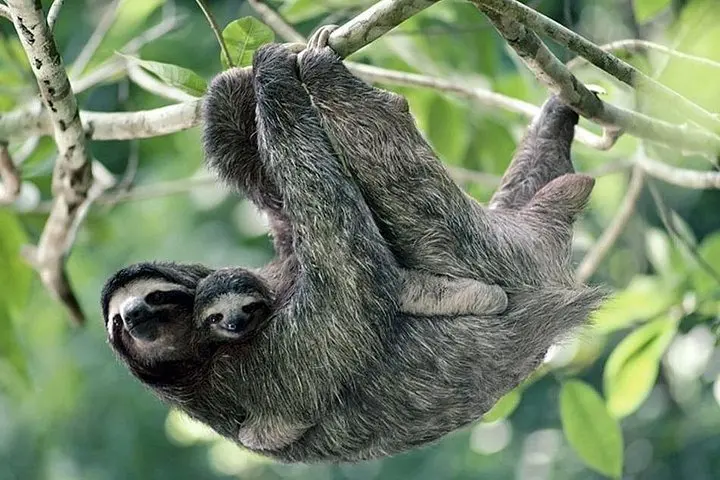
Culturally, Cahuita village carries Afro-Caribbean flavors in food and music; seafood and coconut-based dishes are local staples. The park’s ecology supports pacas, raccoons, northern tamanduas, opossums, porcupines, and a host of coastal birds like frigatebirds and herons. Conservation efforts focus on reef protection and responsible tourism—visitors are encouraged to use reef-safe sunscreen and avoid feeding wildlife.
Practical guidance: plan 3–6 hours for the classic coastal trail and snorkeling stops. Wear sturdy sandals or lightweight hiking shoes for rocky sections, bring at least 1–2 liters of water, reef-safe sunscreen, insect repellent and a dry bag for electronics. Early morning low tide offers the best reef visibility and cooler air; afternoons can bring sudden showers. Respect signage, keep distance from wildlife, and pack out what you pack in—this is a living coastline that responds to how visitors treat it.
The common park walk and snorkel stops typically take 3–6 hours round-trip, covering several kilometers of mostly flat coastal trail with short rocky stretches.
Yes—there’s an extensive shallow reef protected in the park; visibility varies with tide and weather, so mornings at low tide are often best.
Basic facilities exist near the park entrance and campground—expect toilets and showers at official camping areas, but limited services along the trail itself.
Yes for families with children who can handle several hours of walking; supervise water access closely and bring life jackets for young swimmers.
Your Lucky tour operates guided outdoor trips and adventures with an emphasis on safety, stewardship, and memorable experiences.
A morning along Cahuita’s shoreline opens like a practical lesson in Caribbean ecology: surf laps small coves, reef flats shimmer with coral gardens, and a narrow trail threads between mangroves and low rainforest. Walks here move at the pace of the tide—crabs scuttle underfoot, iguanas sun themselves on roots, and capuchin monkeys peep from the canopy as if timing the next curious human.
A morning along Cahuita’s shoreline opens like a practical lesson in Caribbean ecology: surf laps small coves, reef flats shimmer with coral gardens, and a narrow trail threads between mangroves and low rainforest. Walks here move at the pace of the tide—crabs scuttle underfoot, iguanas sun themselves on roots, and capuchin monkeys peep from the canopy as if timing the next curious human.
Established to protect both coastal forest and reef, Cahuita National Park covers roughly 1,067 hectares, including about 240 hectares of coral reef that supports snorkeling year-round. Its geology is simple and honest: low-lying beaches backed by alluvial and coastal soils, reef flats exposed at low tide, and only modest elevation changes on the shore-side trail—expect mostly flat, sandy and rocky terrain rather than steep climbs.
Culturally, Cahuita village carries Afro-Caribbean flavors in food and music; seafood and coconut-based dishes are local staples. The park’s ecology supports pacas, raccoons, northern tamanduas, opossums, porcupines, and a host of coastal birds like frigatebirds and herons. Conservation efforts focus on reef protection and responsible tourism—visitors are encouraged to use reef-safe sunscreen and avoid feeding wildlife.
Practical guidance: plan 3–6 hours for the classic coastal trail and snorkeling stops. Wear sturdy sandals or lightweight hiking shoes for rocky sections, bring at least 1–2 liters of water, reef-safe sunscreen, insect repellent and a dry bag for electronics. Early morning low tide offers the best reef visibility and cooler air; afternoons can bring sudden showers. Respect signage, keep distance from wildlife, and pack out what you pack in—this is a living coastline that responds to how visitors treat it.