THE ADVENTURE COLLECTIVE® · Independent discovery and booking for outdoor travel

Walk the coastal trail of Cahuita National Park with a naturalist guide to see sloths, monkeys and coral-edge ecosystems. This half-day hike covers about 3.5 km of beach and shaded forest with practical tips for wildlife viewing and reef protection.
Walk the coastal trail of Cahuita National Park with a naturalist guide to see sloths, monkeys and coral-edge ecosystems. This half-day hike covers about 3.5 km of beach and shaded forest with practical tips for wildlife viewing and reef protection.
A low, humid wind from the Caribbean moves through the palm crowns as a small group steps off the white sand and into the shaded coastal forest of Cahuita National Park. The trail follows the surf for roughly 3.5 km between Punta Cahuita and the town, alternating between beachside boardwalks, packed sand, and root-strewn forest—an accessible route where the forest seems to watch back.
Verified experiences and guided adventures in the surrounding area.
Operated by Costa Rica Itinerary · Cahuita, Limón
A low, humid wind from the Caribbean moves through the palm crowns as a small group steps off the white sand and into the shaded coastal forest of Cahuita National Park. The trail follows the surf for roughly 3.5 km between Punta Cahuita and the town, alternating between beachside boardwalks, packed sand, and root-strewn forest—an accessible route where the forest seems to watch back.
Established in 1970 to protect one of Costa Rica’s most important coral reefs, Cahuita is both geological edge and cultural crossroads: volcanic soils fed by coastal currents have allowed a mix of coastal hammocks, mangroves and reef systems to co-exist, while the Afro-Caribbean town of Cahuita contributes Creole foodways and music to the park perimeter.
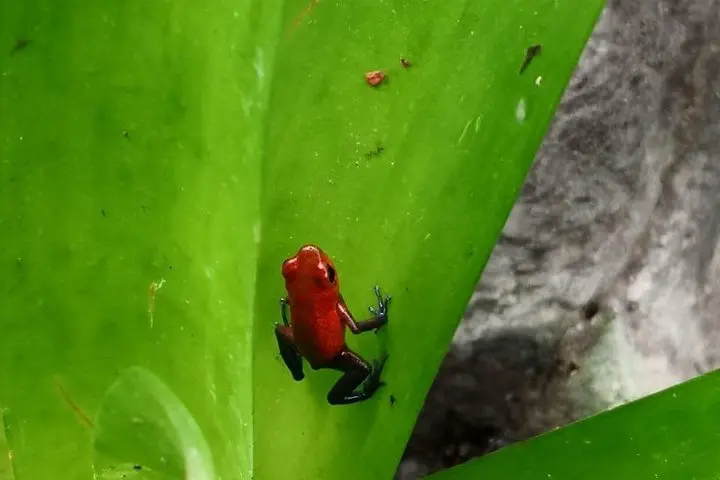
On a guided half-day hike expect a naturalist to point out sloths clinging to branches, howler and white-faced monkeys in the canopy, and the bright flash of blue morpho butterflies. Guides will explain medicinal plants, reef ecology, and local conservation efforts focused on coral protection and responsible wildlife viewing.
Practicalities: the route is low-elevation with minimal climbing but uneven roots and sand; wear closed-toe shoes, bring insect repellent, sun protection, and at least 1–2 liters of water. Early morning walks raise the odds of active mammals and cooler temperatures; midday can be hot and humid. The tour includes bottled water, a tropical fruit snack, bilingual guidance and transportation. Stay on marked trails, keep distance from wildlife, and avoid touching coral when visiting tide pools or snorkeling off the reef.
This half-day hike balances easy accessibility with rich wildlife encounters—ideal for travelers wanting focused natural history in a compact coastal park.
The trail between Punta Cahuita and Cahuita town covers about 3.5 km along the coast; guided tours may include additional stops and return transportation for a 5–6 hour excursion.
Yes—the park protects a coral reef along the shore; snorkeling is possible in designated areas but avoid touching coral and follow guide instructions to protect the reef.
No—Cahuita’s coastal trail is low-elevation with minimal climbing, but the surface can be uneven with roots and sand, so moderate fitness and stable footwear are recommended.
Some venomous snakes inhabit the region; guides point out risk areas and advise staying on the trail and keeping distance from wildlife rather than attempting to handle or approach animals.
Costa Rica Itinerary operates guided outdoor trips and adventures with an emphasis on safety, stewardship, and memorable experiences.
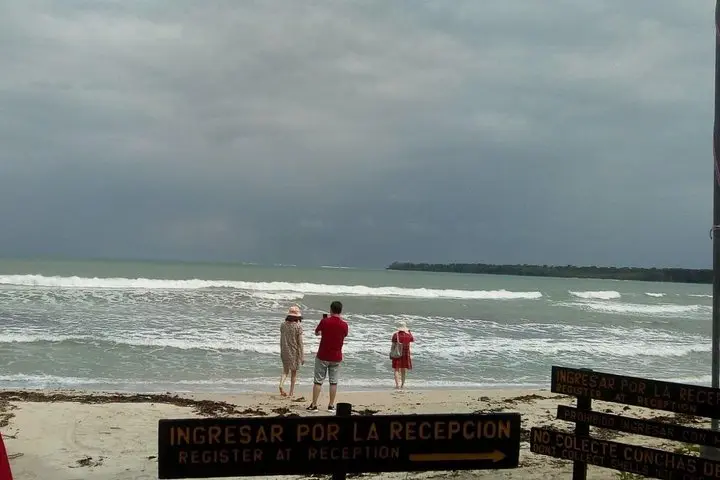
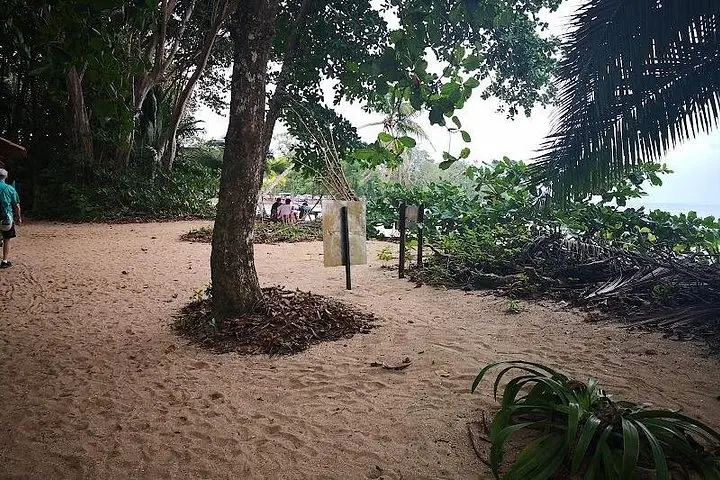

A low, humid wind from the Caribbean moves through the palm crowns as a small group steps off the white sand and into the shaded coastal forest of Cahuita National Park. The trail follows the surf for roughly 3.5 km between Punta Cahuita and the town, alternating between beachside boardwalks, packed sand, and root-strewn forest—an accessible route where the forest seems to watch back.
A low, humid wind from the Caribbean moves through the palm crowns as a small group steps off the white sand and into the shaded coastal forest of Cahuita National Park. The trail follows the surf for roughly 3.5 km between Punta Cahuita and the town, alternating between beachside boardwalks, packed sand, and root-strewn forest—an accessible route where the forest seems to watch back.
Established in 1970 to protect one of Costa Rica’s most important coral reefs, Cahuita is both geological edge and cultural crossroads: volcanic soils fed by coastal currents have allowed a mix of coastal hammocks, mangroves and reef systems to co-exist, while the Afro-Caribbean town of Cahuita contributes Creole foodways and music to the park perimeter.
On a guided half-day hike expect a naturalist to point out sloths clinging to branches, howler and white-faced monkeys in the canopy, and the bright flash of blue morpho butterflies. Guides will explain medicinal plants, reef ecology, and local conservation efforts focused on coral protection and responsible wildlife viewing.
Practicalities: the route is low-elevation with minimal climbing but uneven roots and sand; wear closed-toe shoes, bring insect repellent, sun protection, and at least 1–2 liters of water. Early morning walks raise the odds of active mammals and cooler temperatures; midday can be hot and humid. The tour includes bottled water, a tropical fruit snack, bilingual guidance and transportation. Stay on marked trails, keep distance from wildlife, and avoid touching coral when visiting tide pools or snorkeling off the reef.
This half-day hike balances easy accessibility with rich wildlife encounters—ideal for travelers wanting focused natural history in a compact coastal park.