THE ADVENTURE COLLECTIVE® · Independent discovery and booking for outdoor travel

Board a traditional wooden boat at Ninh Kieu Wharf and navigate the bustling Cai Rang floating market before learning to cook three authentic Mekong dishes with local guidance. This half-day tour blends river life, food-history, and hands-on technique.
Board a traditional wooden boat at Ninh Kieu Wharf and navigate the bustling Cai Rang floating market before learning to cook three authentic Mekong dishes with local guidance. This half-day tour blends river life, food-history, and hands-on technique.
Morning light slants across the Hau River as wooden boats begin their slow, practiced ballet. You slide into a small craft at Ninh Kieu Wharf and the river takes the lead, barges and vendor boats bobbing like a compact, floating neighborhood; sellers hoist produce, steam drifts from breakfast pots, and the water feels alive under the oars.
Verified experiences and guided adventures in the surrounding area.
Operated by Mekong Smile Tour · Can Tho, Can Tho
Morning light slants across the Hau River as wooden boats begin their slow, practiced ballet. You slide into a small craft at Ninh Kieu Wharf and the river takes the lead, barges and vendor boats bobbing like a compact, floating neighborhood; sellers hoist produce, steam drifts from breakfast pots, and the water feels alive under the oars.
Cai Rang is the Mekong Delta’s busiest floating market, shaped by centuries of river trade and the alluvial soil that builds these low-lying channels. The market grew where waterways meet rice paddies and orchards, a commerce system adapted to seasonal floods and fertile silt. Culture here is formed by movement—boats, recipes, and relationships moved along the channels for generations.
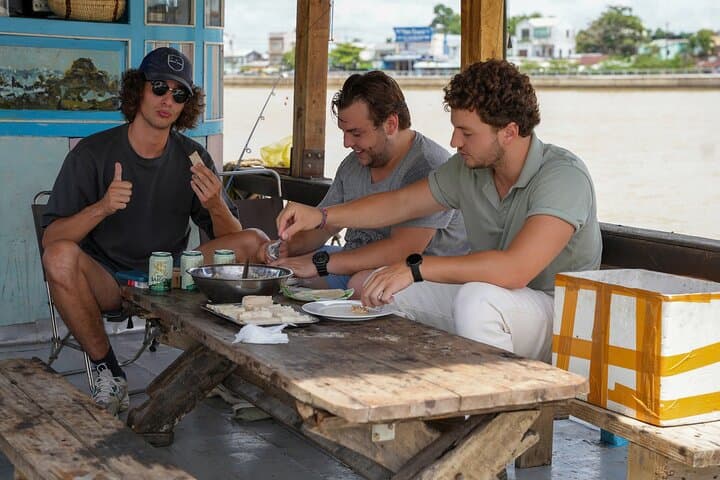
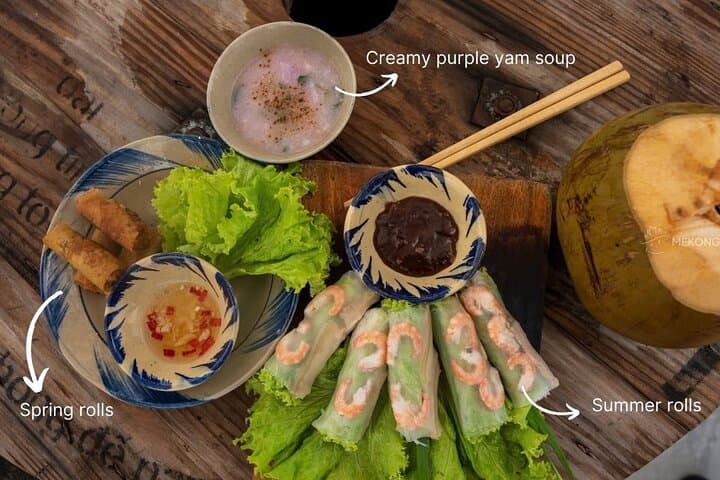
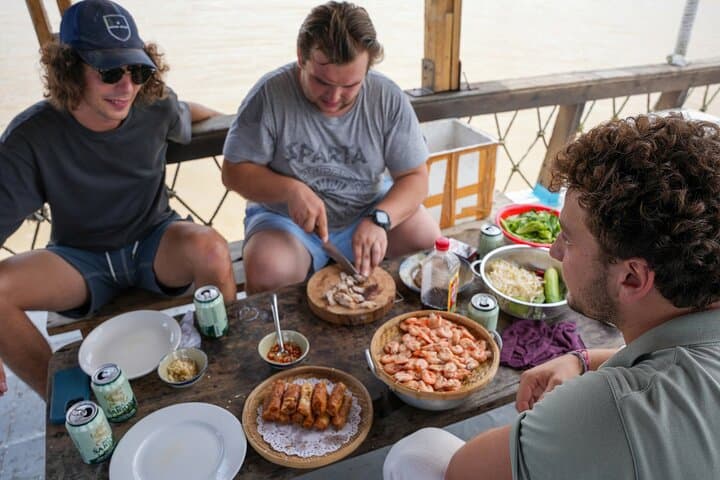
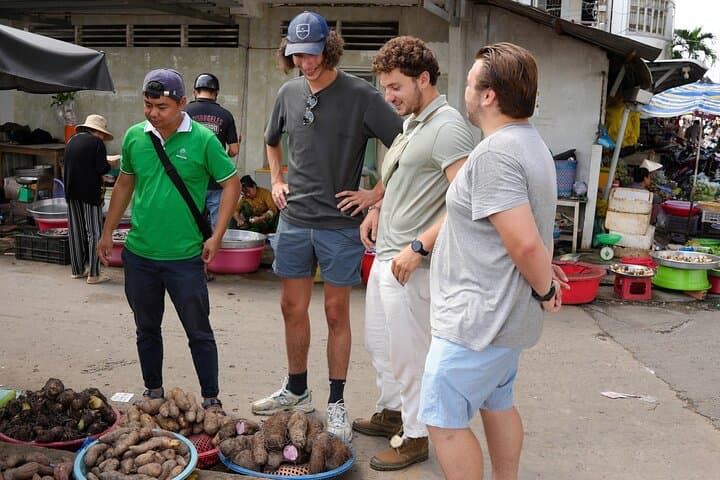
Your guide helps you choose ingredients from a tethered skiff, then shows how Hu Tieu noodles are made at a family-run factory. The cooking class—held on a stable larger boat or waterside kitchen—focuses on spring rolls, summer rolls, and a creamy purple yam soup, teaching flame control, rice-paper handling, and the simple chemistry of balancing fish sauce, lime, and sugar.
Expect close quarters, strong food aromas, and warm interaction with vendors who know the river’s rhythms. Practical notes: mornings are best for light, steady water traffic and cooler air; bring sun protection and a waterproof bag for electronics. Hydrate before you board, wear shoes that can get wet, and leave time to stroll the riverside quay in Can Tho afterward—the market is sensory, social, and utterly practical: a day that teaches both table skills and how a river sustains a city.
Pick-up is at Ninh Kieu Wharf in Can Tho city center; many hotels are nearby and local taxis or cyclos can reach the wharf easily.
Yes—this activity is family-friendly, but infants must sit on an adult’s lap and parents should supervise near the water.
The tour includes a local English-speaking guide to explain market practices and cooking steps.
Breakfast and lunch are included; inform the operator of allergies or dietary needs when booking so they can adjust ingredient choices.
Mekong Smile Tour operates guided outdoor trips and adventures with an emphasis on safety, stewardship, and memorable experiences.
Morning light slants across the Hau River as wooden boats begin their slow, practiced ballet. You slide into a small craft at Ninh Kieu Wharf and the river takes the lead, barges and vendor boats bobbing like a compact, floating neighborhood; sellers hoist produce, steam drifts from breakfast pots, and the water feels alive under the oars.
Morning light slants across the Hau River as wooden boats begin their slow, practiced ballet. You slide into a small craft at Ninh Kieu Wharf and the river takes the lead, barges and vendor boats bobbing like a compact, floating neighborhood; sellers hoist produce, steam drifts from breakfast pots, and the water feels alive under the oars.
Cai Rang is the Mekong Delta’s busiest floating market, shaped by centuries of river trade and the alluvial soil that builds these low-lying channels. The market grew where waterways meet rice paddies and orchards, a commerce system adapted to seasonal floods and fertile silt. Culture here is formed by movement—boats, recipes, and relationships moved along the channels for generations.
Your guide helps you choose ingredients from a tethered skiff, then shows how Hu Tieu noodles are made at a family-run factory. The cooking class—held on a stable larger boat or waterside kitchen—focuses on spring rolls, summer rolls, and a creamy purple yam soup, teaching flame control, rice-paper handling, and the simple chemistry of balancing fish sauce, lime, and sugar.
Expect close quarters, strong food aromas, and warm interaction with vendors who know the river’s rhythms. Practical notes: mornings are best for light, steady water traffic and cooler air; bring sun protection and a waterproof bag for electronics. Hydrate before you board, wear shoes that can get wet, and leave time to stroll the riverside quay in Can Tho afterward—the market is sensory, social, and utterly practical: a day that teaches both table skills and how a river sustains a city.