THE ADVENTURE COLLECTIVE® · Independent discovery and booking for outdoor travel

In nine hours a small coach threads through Cairngorm glens, a sandy loch shore and a century-old distillery. Expect short walks, wildlife sightings and a guided tasting at Tomatin Distillery—an efficient, sensory introduction to Highland country.
In nine hours a small coach threads through Cairngorm glens, a sandy loch shore and a century-old distillery. Expect short walks, wildlife sightings and a guided tasting at Tomatin Distillery—an efficient, sensory introduction to Highland country.
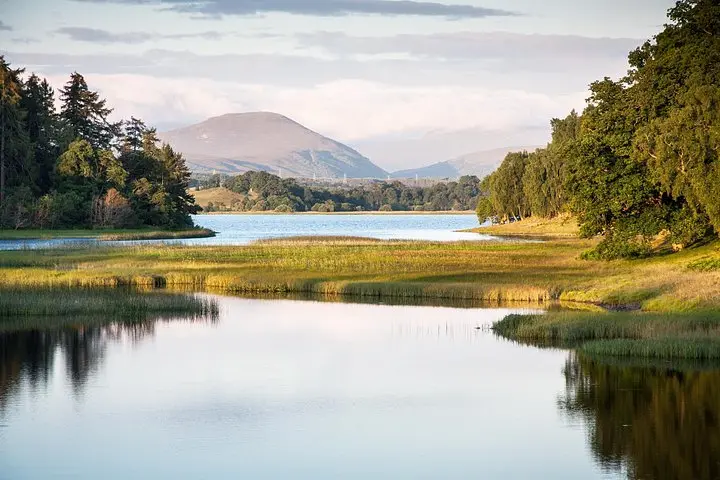
You step off the mini-coach into a cold, clear air that feels as if it were washed that morning by the high hills. The bus has threaded out of Inverness along ribboned single-track roads; ahead are the broad shoulders of the Cairngorms and the small, wind-swept villages that survive on sheep, forestry and whisky. For nine hours the day moves at a human pace—short walks, long views, and a dram at Tomatin Distillery that collects the route into a lasting flavor.
Verified experiences and guided adventures in the surrounding area.
Operated by Rabbies Trail Burners · Inverness, Highland
You step off the mini-coach into a cold, clear air that feels as if it were washed that morning by the high hills. The bus has threaded out of Inverness along ribboned single-track roads; ahead are the broad shoulders of the Cairngorms and the small, wind-swept villages that survive on sheep, forestry and whisky. For nine hours the day moves at a human pace—short walks, long views, and a dram at Tomatin Distillery that collects the route into a lasting flavor.
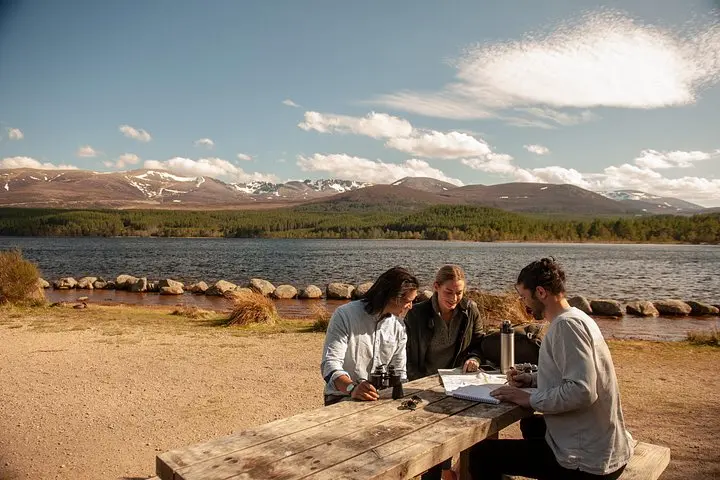
The itinerary stitches together landscape and industry. Carrbridge’s Old Packhorse Bridge leans into the River Dulnain, an 18th-century stone arch that still holds river spray like a memory. Further in, Glenmore’s Caledonian pines and the sandy edge of Loch Morlich reveal a geological story: a granite massif scoured by successive glaciers, leaving bowl-shaped corries and long, glacial troughs that now hold lochs and forests. Aviemore supplies a pause for lunch—a town grown up around outdoor sports—and then the tour slips into Speyside country by way of Tomatin, where the distillery has been distilling since 1897.
Tomatin is more than a tasting room. Its copper stills and oloroso-cask notes are the cultural shorthand for the Highlands: small, community-focused producers that lean on local barley, spring water and peat where available. On the drive you’ll likely pass red deer on the moorland and, with luck, spot a golden eagle riding thermals above the glens. The driver-guide supplies stories—smuggling routes, whisky legend, and the quiet history of crofting—that give texture to each stop.
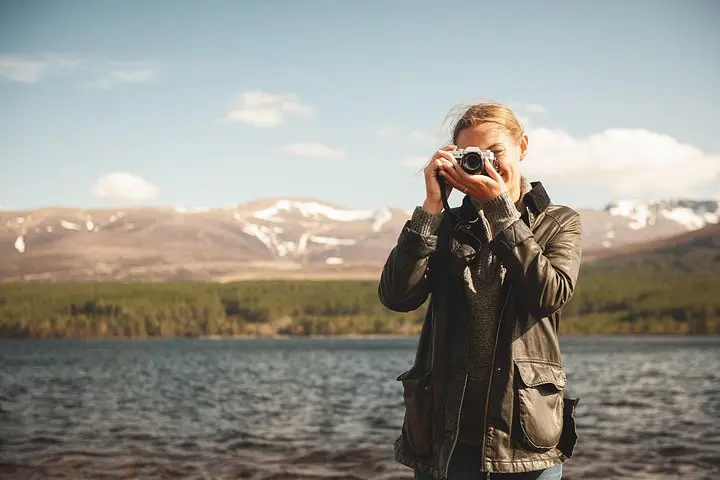
Practical edges: this is a small-group, 16-seat, air-conditioned mini-coach with a guided schedule and included admission and tasting at Tomatin. It’s labelled as physically easy—walks are short and optional—but terrain at Loch Morlich includes sand and uneven woodland paths. The tour departs from the bus stop beside Inverness Cathedral (Ardross Street); arrive 15 minutes early to check in. Pack layers and waterproofs: Highland weather changes faster than a kettle boils. Bring photo gear and binoculars for wildlife and shorelines, and carry ID if you plan to take part in the tasting.
Timing matters—mornings bring cleaner air and crisper visibility for the high plateaus; afternoons can be hazier but are often warmer. Respect private land and waymarkers on short walks and leave peat and plant life undisturbed. With a little planning—sensible shoes, a charged camera and an appetite for both landscapes and whisky—you’ll get a compact, well-paced tour that combines natural drama with one of Scotland’s most enduring cultural exports.
Yes—tour admission and a guided tasting at Tomatin Distillery are included in the price.
All departures and returns are from the bus stop next to Inverness Cathedral, Ardross Street, IV3 5NS; please arrive at least 15 minutes early.
Each traveler is allowed one suitcase up to 14 kg and one small carry-on bag; larger items cannot be accommodated.
Children aged five and older can join; the tour operator will refuse travel for under-fives without refund.
Walks are short and optional—mostly on woodland trails and a sandy loch shore—suitable for most abilities.
Full refunds are available if you cancel at least 24 hours before departure; cancellations within 24 hours are not refundable.
Rabbies Trail Burners operates guided outdoor trips and adventures with an emphasis on safety, stewardship, and memorable experiences.

You step off the mini-coach into a cold, clear air that feels as if it were washed that morning by the high hills. The bus has threaded out of Inverness along ribboned single-track roads; ahead are the broad shoulders of the Cairngorms and the small, wind-swept villages that survive on sheep, forestry and whisky. For nine hours the day moves at a human pace—short walks, long views, and a dram at Tomatin Distillery that collects the route into a lasting flavor.
You step off the mini-coach into a cold, clear air that feels as if it were washed that morning by the high hills. The bus has threaded out of Inverness along ribboned single-track roads; ahead are the broad shoulders of the Cairngorms and the small, wind-swept villages that survive on sheep, forestry and whisky. For nine hours the day moves at a human pace—short walks, long views, and a dram at Tomatin Distillery that collects the route into a lasting flavor.
The itinerary stitches together landscape and industry. Carrbridge’s Old Packhorse Bridge leans into the River Dulnain, an 18th-century stone arch that still holds river spray like a memory. Further in, Glenmore’s Caledonian pines and the sandy edge of Loch Morlich reveal a geological story: a granite massif scoured by successive glaciers, leaving bowl-shaped corries and long, glacial troughs that now hold lochs and forests. Aviemore supplies a pause for lunch—a town grown up around outdoor sports—and then the tour slips into Speyside country by way of Tomatin, where the distillery has been distilling since 1897.
Tomatin is more than a tasting room. Its copper stills and oloroso-cask notes are the cultural shorthand for the Highlands: small, community-focused producers that lean on local barley, spring water and peat where available. On the drive you’ll likely pass red deer on the moorland and, with luck, spot a golden eagle riding thermals above the glens. The driver-guide supplies stories—smuggling routes, whisky legend, and the quiet history of crofting—that give texture to each stop.
Practical edges: this is a small-group, 16-seat, air-conditioned mini-coach with a guided schedule and included admission and tasting at Tomatin. It’s labelled as physically easy—walks are short and optional—but terrain at Loch Morlich includes sand and uneven woodland paths. The tour departs from the bus stop beside Inverness Cathedral (Ardross Street); arrive 15 minutes early to check in. Pack layers and waterproofs: Highland weather changes faster than a kettle boils. Bring photo gear and binoculars for wildlife and shorelines, and carry ID if you plan to take part in the tasting.
Timing matters—mornings bring cleaner air and crisper visibility for the high plateaus; afternoons can be hazier but are often warmer. Respect private land and waymarkers on short walks and leave peat and plant life undisturbed. With a little planning—sensible shoes, a charged camera and an appetite for both landscapes and whisky—you’ll get a compact, well-paced tour that combines natural drama with one of Scotland’s most enduring cultural exports.