THE ADVENTURE COLLECTIVE® · Independent discovery and booking for outdoor travel

Two contrasting worlds meet in downtown Cairns: reconstructed Ancient Egyptian tombs and a state-of-the-art aquarium showcasing the Great Barrier Reef and Wet Tropics. This practical guide explains what to expect, when to visit, and how to make the most of the 2–3 hour combo experience.
Two contrasting worlds meet in downtown Cairns: reconstructed Ancient Egyptian tombs and a state-of-the-art aquarium showcasing the Great Barrier Reef and Wet Tropics. This practical guide explains what to expect, when to visit, and how to make the most of the 2–3 hour combo experience.
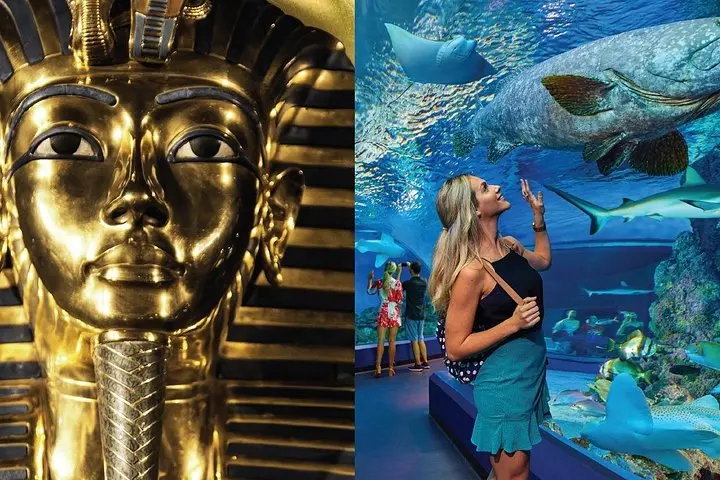
You step off the humid Cairns street and into controlled air—first the hush of stone and hieroglyphs, then the quiet blue of aquaria. In a compact city block the Tomb of the Pharaohs recreates eleven richly decorated burial chambers while the adjacent Cairns Aquarium displays the living colours of the Great Barrier Reef and Wet Tropics.
Verified experiences and guided adventures in the surrounding area.
Operated by Tomb Of The Pharaohs · Cairns, Queensland
You step off the humid Cairns street and into controlled air—first the hush of stone and hieroglyphs, then the quiet blue of aquaria. In a compact city block the Tomb of the Pharaohs recreates eleven richly decorated burial chambers while the adjacent Cairns Aquarium displays the living colours of the Great Barrier Reef and Wet Tropics.
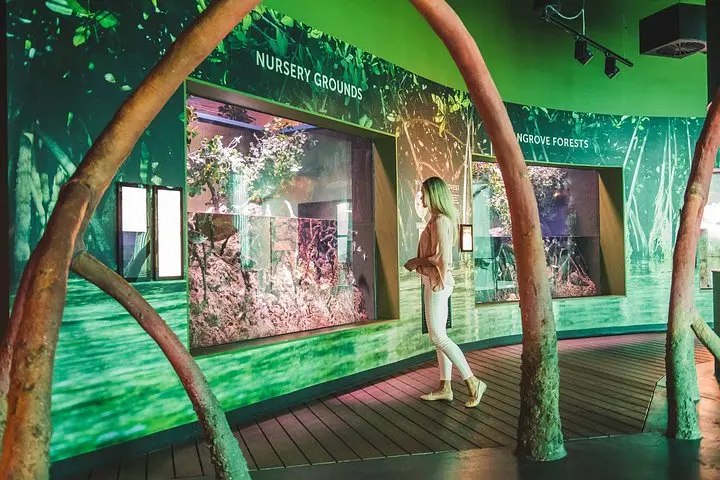
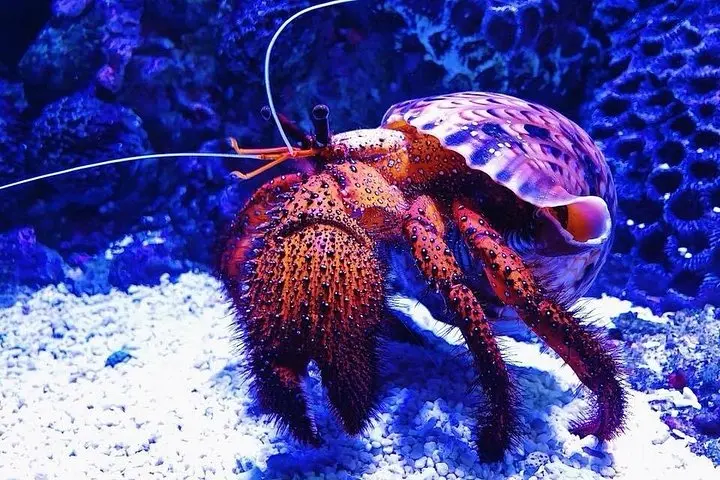
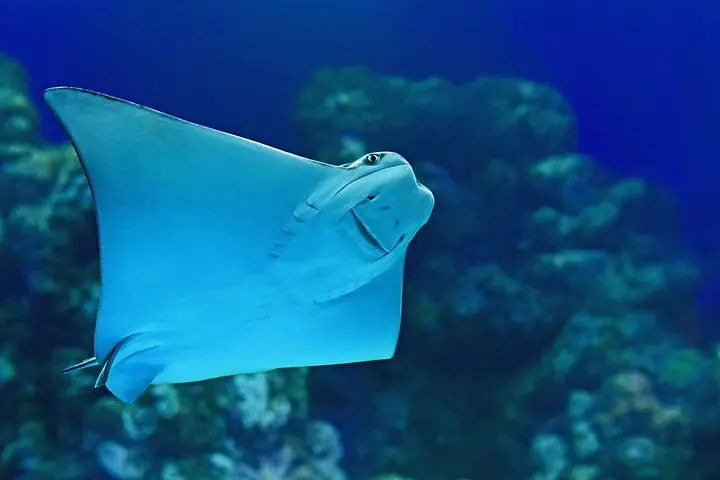
The tomb exhibition presents museum-grade replicas and mummified remains crafted using traditional techniques, offering a practical window into Ancient Egyptian mortuary practices and iconography rather than original antiquities. Across the way the aquarium organizes habitats by ecosystem — coral reef galleries, estuarine tanks, and a rainforest stream — making the region’s geology and ecology easy to read: reef-builders offshore, rainforest rivers carving the ranges inland.
Cairns sits on the ancestral lands of the Yidinji and Gimuy Walubara Yidinji people; local guides and signage increasingly acknowledge that connection and the role of sea country in cultural life. The combo works as a half- to full-day outing: expect 2–3 hours total, easy walking on flat, accessible floors with scheduled talks and a daily shark feed.
Practical guidance: buy a timed ticket to avoid queues, aim for mid-morning to catch feeding demos, and pair the visit with a stroll along the Esplanade to extend the natural-history thread. Hydrate for the tropical heat outside, wear light, slip-resistant shoes for galleries and exhibits, and leave room in your itinerary for the aquarium’s touch tank and interpretive talks — the two attractions provide a tidy contrast between human history and living ecosystems.
Plan 2–3 hours total; about 45–60 minutes for the Tomb of the Pharaohs and 90–120 minutes for the Cairns Aquarium with a feed or talk.
Yes — exhibits are family-friendly with a touch tank and interpreted displays; strollers are permitted and spaces are designed for children.
Tickets are available on site but booking a timed ticket online is recommended during peak season to avoid queues and to secure entry for popular feeding times.
Yes, both the reconstructed tombs and the aquarium are wheelchair and stroller accessible with level flooring and accessible amenities.
Tomb Of The Pharaohs operates guided outdoor trips and adventures with an emphasis on safety, stewardship, and memorable experiences.
You step off the humid Cairns street and into controlled air—first the hush of stone and hieroglyphs, then the quiet blue of aquaria. In a compact city block the Tomb of the Pharaohs recreates eleven richly decorated burial chambers while the adjacent Cairns Aquarium displays the living colours of the Great Barrier Reef and Wet Tropics.
You step off the humid Cairns street and into controlled air—first the hush of stone and hieroglyphs, then the quiet blue of aquaria. In a compact city block the Tomb of the Pharaohs recreates eleven richly decorated burial chambers while the adjacent Cairns Aquarium displays the living colours of the Great Barrier Reef and Wet Tropics.
The tomb exhibition presents museum-grade replicas and mummified remains crafted using traditional techniques, offering a practical window into Ancient Egyptian mortuary practices and iconography rather than original antiquities. Across the way the aquarium organizes habitats by ecosystem — coral reef galleries, estuarine tanks, and a rainforest stream — making the region’s geology and ecology easy to read: reef-builders offshore, rainforest rivers carving the ranges inland.
Cairns sits on the ancestral lands of the Yidinji and Gimuy Walubara Yidinji people; local guides and signage increasingly acknowledge that connection and the role of sea country in cultural life. The combo works as a half- to full-day outing: expect 2–3 hours total, easy walking on flat, accessible floors with scheduled talks and a daily shark feed.
Practical guidance: buy a timed ticket to avoid queues, aim for mid-morning to catch feeding demos, and pair the visit with a stroll along the Esplanade to extend the natural-history thread. Hydrate for the tropical heat outside, wear light, slip-resistant shoes for galleries and exhibits, and leave room in your itinerary for the aquarium’s touch tank and interpretive talks — the two attractions provide a tidy contrast between human history and living ecosystems.