THE ADVENTURE COLLECTIVE® · Independent discovery and booking for outdoor travel

See Egypt’s headline attractions in one compact itinerary: Giza’s pyramids, Dahshour, the Grand Egyptian Museum and a day in Alexandria. This private 5-night tour pairs guided context with efficient transfers to maximize time at each site.
See Egypt’s headline attractions in one compact itinerary: Giza’s pyramids, Dahshour, the Grand Egyptian Museum and a day in Alexandria. This private 5-night tour pairs guided context with efficient transfers to maximize time at each site.
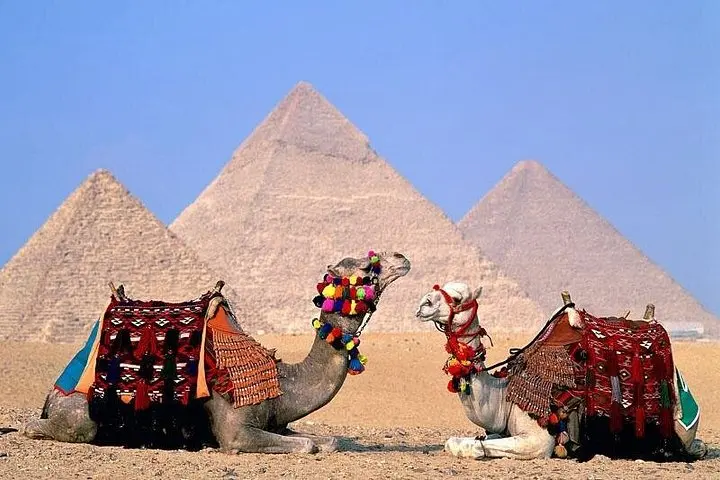
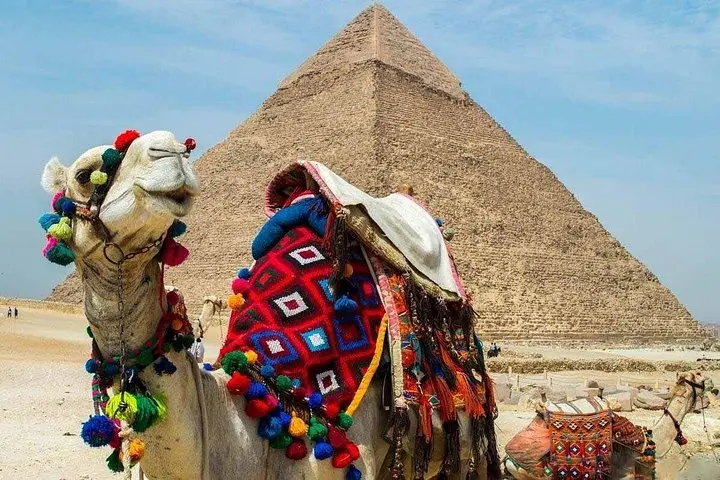
Morning light slices across the limestone faces of Giza as a private car threads through Cairo’s wide boulevards — that first view of the pyramids sets the tone: ancient geometry against a modern, bustling city.
Verified experiences and guided adventures in the surrounding area.
Operated by Book Egypt Tours · Cairo, Cairo Governorate
Morning light slices across the limestone faces of Giza as a private car threads through Cairo’s wide boulevards — that first view of the pyramids sets the tone: ancient geometry against a modern, bustling city.
Over five nights this short-break tour moves from the desert plateau of Giza to the Mediterranean rim at Alexandria, then back into Cairo’s layered history at museums and mosques. Travelers walk among the three great pyramids, stand before the Sphinx, descend to the stepped chambers of Saqqara and peer into Dahshour’s Red Pyramid; in Alexandria they encounter Pompey’s Pillar, the Kom El-Shoqafa catacombs and Qaitbay Citadel on compacted seaside stone.
Geology here is obvious — quarried limestone and Aswan granite shaped royal tombs and public monuments — while Cairo’s streets narrate medieval Fatimid, Ottoman and modern Egyptian chapters. The Grand Egyptian Museum and the National Museum of Egyptian Civilization collect millennia into climate-controlled galleries, offering context to the open-air ruin visits.
Practicalities: expect repeated short walks, some uneven surfaces and indoor museum circulation; the tour provides an air-conditioned vehicle, daily bottled water and a private Egyptologist guide. Plan for early mornings to avoid heat and crowds, wear closed-toe shoes for sand and rubble, and carry low-weight sun protection.
Timing and manners matter: fotografy rules can vary at sites and slower pacing helps with queues at major attractions. The route is dense but well-structured — it’s a logistical bridge between spectacle and scholarly context for travelers who want the essentials of Egypt in compact, guided form.
Yes — the itinerary lists admissions included for major sites like Giza, Saqqara, Dahshour, museums and Alexandria attractions as specified.
Expect short to moderate walking periods (30–90 minutes at a time) with standing and steps inside monuments; the tour is described as suitable for all fitness levels.
Yes — a private Egyptologist guide accompanies the tour to explain history, navigate sites and manage admissions.
Accommodation is 4-star in Cairo with breakfast included each morning; lunch or dinner arrangements vary by day per the itinerary.
Book Egypt Tours operates guided outdoor trips and adventures with an emphasis on safety, stewardship, and memorable experiences.

Morning light slices across the limestone faces of Giza as a private car threads through Cairo’s wide boulevards — that first view of the pyramids sets the tone: ancient geometry against a modern, bustling city.
Morning light slices across the limestone faces of Giza as a private car threads through Cairo’s wide boulevards — that first view of the pyramids sets the tone: ancient geometry against a modern, bustling city.
Over five nights this short-break tour moves from the desert plateau of Giza to the Mediterranean rim at Alexandria, then back into Cairo’s layered history at museums and mosques. Travelers walk among the three great pyramids, stand before the Sphinx, descend to the stepped chambers of Saqqara and peer into Dahshour’s Red Pyramid; in Alexandria they encounter Pompey’s Pillar, the Kom El-Shoqafa catacombs and Qaitbay Citadel on compacted seaside stone.
Geology here is obvious — quarried limestone and Aswan granite shaped royal tombs and public monuments — while Cairo’s streets narrate medieval Fatimid, Ottoman and modern Egyptian chapters. The Grand Egyptian Museum and the National Museum of Egyptian Civilization collect millennia into climate-controlled galleries, offering context to the open-air ruin visits.
Practicalities: expect repeated short walks, some uneven surfaces and indoor museum circulation; the tour provides an air-conditioned vehicle, daily bottled water and a private Egyptologist guide. Plan for early mornings to avoid heat and crowds, wear closed-toe shoes for sand and rubble, and carry low-weight sun protection.
Timing and manners matter: fotografy rules can vary at sites and slower pacing helps with queues at major attractions. The route is dense but well-structured — it’s a logistical bridge between spectacle and scholarly context for travelers who want the essentials of Egypt in compact, guided form.