THE ADVENTURE COLLECTIVE® · Independent discovery and booking for outdoor travel

Two days of sharp contrasts: early morning flights from Hurghada to Cairo’s pyramids and museum, followed by a seaside sweep through Alexandria’s catacombs, citadel and library. Ideal for travelers who want concentrated history with minimal logistics.
Two days of sharp contrasts: early morning flights from Hurghada to Cairo’s pyramids and museum, followed by a seaside sweep through Alexandria’s catacombs, citadel and library. Ideal for travelers who want concentrated history with minimal logistics.
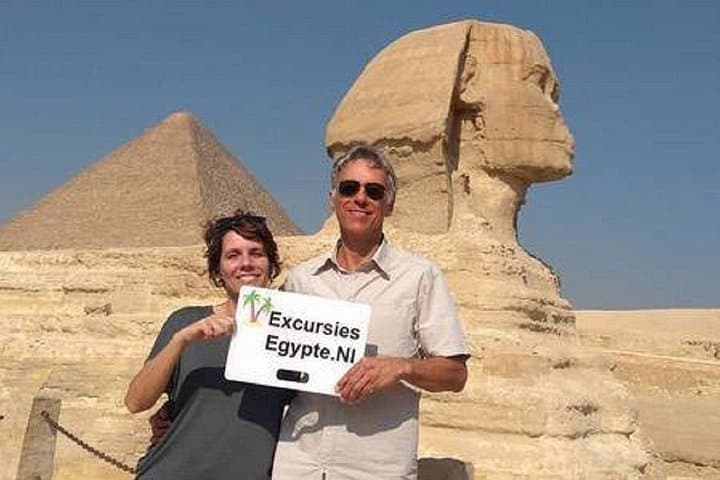
Before sunrise a private minivan collects you in Hurghada and carries the small group to the airport; by midmorning the desert gives way to the sprawling Nile plain and the Giza plateau rises against the sky. You stand at the foot of a 4,500‑year‑old structure as the light sharpens the limestone edges — history feels immediate and heavy underfoot.
Verified experiences and guided adventures in the surrounding area.
Operated by Marsa Alam Tours · Cairo, Cairo Governorate
Before sunrise a private minivan collects you in Hurghada and carries the small group to the airport; by midmorning the desert gives way to the sprawling Nile plain and the Giza plateau rises against the sky. You stand at the foot of a 4,500‑year‑old structure as the light sharpens the limestone edges — history feels immediate and heavy underfoot.
Day one centers on ancient Egypt: the Giza Pyramids Complex and the Egyptian Museum in downtown Cairo, where Tutankhamen’s gold and carved stone chronicle pharaonic power. Geology here is obvious — quarried limestone and bedrock platforms shaped the monuments’ angles. Night is spent near the pyramids, with a Nile-side lunch that underscores how the river sustained millennia of civilization.
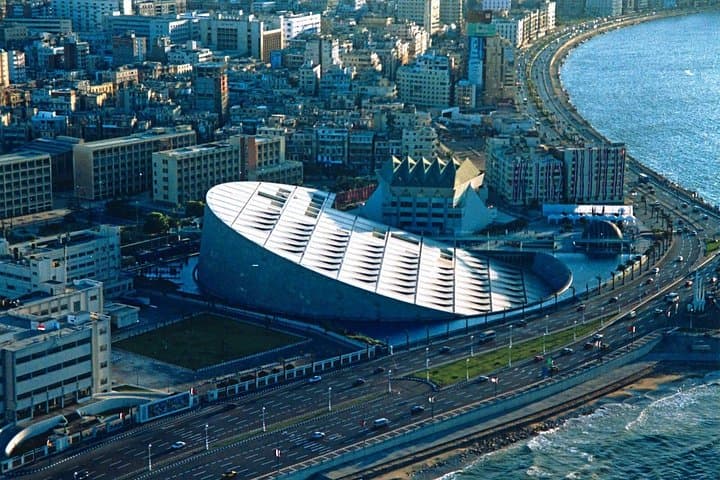
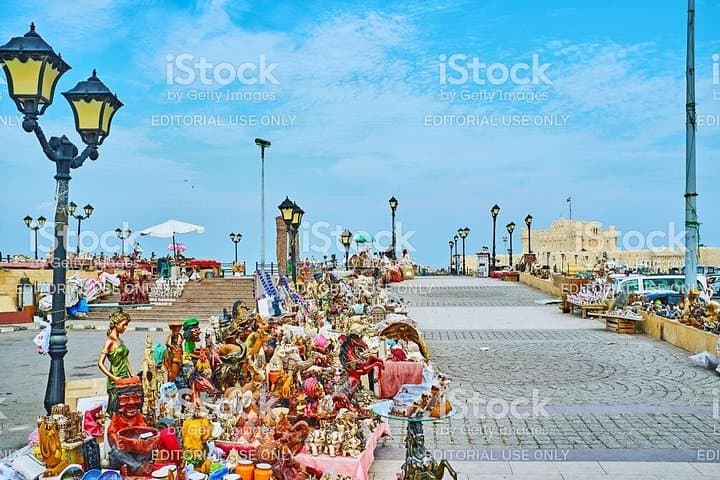
On day two the road and the Mediterranean take over. A 2–3 hour drive to Alexandria reveals layers of history: Roman catacombs carved into coastal rock, Pompey’s Pillar, the 15th‑century Citadel of Qaitbay on the harbor, and the modern Bibliotheca Alexandrina overlooking the sea. The Mediterranean pushes against the city’s edges, drawing fishermen and seafood markets where lunch is a local highlight.
Practical guidance: expect long days, lots of walking on uneven stone, and security checks at major sites. Carry a passport for flights, modest clothing for religious or conservative settings, sunscreen and plenty of water. Book a private Egyptologist guide if you want context on inscriptions and pharaonic chronology; otherwise, keep an eye on opening hours and plan pockets of rest between sites.
Visa requirements depend on nationality; check Egyptian entry rules before travel and ensure you have a valid passport for international flights.
No technical exertion is required, but expect several hours of walking and climbing short staircases at sites.
(duplicate)
Access to the pyramid interior can be limited and may require separate entrance fees or restricted visits; check with the operator in advance.
Marsa Alam Tours operates guided outdoor trips and adventures with an emphasis on safety, stewardship, and memorable experiences.
Before sunrise a private minivan collects you in Hurghada and carries the small group to the airport; by midmorning the desert gives way to the sprawling Nile plain and the Giza plateau rises against the sky. You stand at the foot of a 4,500‑year‑old structure as the light sharpens the limestone edges — history feels immediate and heavy underfoot.
Before sunrise a private minivan collects you in Hurghada and carries the small group to the airport; by midmorning the desert gives way to the sprawling Nile plain and the Giza plateau rises against the sky. You stand at the foot of a 4,500‑year‑old structure as the light sharpens the limestone edges — history feels immediate and heavy underfoot.
Day one centers on ancient Egypt: the Giza Pyramids Complex and the Egyptian Museum in downtown Cairo, where Tutankhamen’s gold and carved stone chronicle pharaonic power. Geology here is obvious — quarried limestone and bedrock platforms shaped the monuments’ angles. Night is spent near the pyramids, with a Nile-side lunch that underscores how the river sustained millennia of civilization.
On day two the road and the Mediterranean take over. A 2–3 hour drive to Alexandria reveals layers of history: Roman catacombs carved into coastal rock, Pompey’s Pillar, the 15th‑century Citadel of Qaitbay on the harbor, and the modern Bibliotheca Alexandrina overlooking the sea. The Mediterranean pushes against the city’s edges, drawing fishermen and seafood markets where lunch is a local highlight.
Practical guidance: expect long days, lots of walking on uneven stone, and security checks at major sites. Carry a passport for flights, modest clothing for religious or conservative settings, sunscreen and plenty of water. Book a private Egyptologist guide if you want context on inscriptions and pharaonic chronology; otherwise, keep an eye on opening hours and plan pockets of rest between sites.