THE ADVENTURE COLLECTIVE® · Independent discovery and booking for outdoor travel

Fly from Sharm el Sheikh to Cairo for a full day at the Giza Plateau and the Egyptian Museum. Expect early starts, strong sun, and a packed schedule that showcases Egypt’s most iconic ancient sites.
Fly from Sharm el Sheikh to Cairo for a full day at the Giza Plateau and the Egyptian Museum. Expect early starts, strong sun, and a packed schedule that showcases Egypt’s most iconic ancient sites.
You lift off from Sharm el Sheikh before sunrise and, an hour later, the Nile’s spread and Cairo’s concrete blocks unroll beneath you. Stepping onto the Giza Plateau feels immediate—stone monuments jolt the horizon like an arranged skyline, the Sphinx watching traffic and camels alike.
Verified experiences and guided adventures in the surrounding area.
Operated by Noun Travel · Cairo, Giza Governorate
You lift off from Sharm el Sheikh before sunrise and, an hour later, the Nile’s spread and Cairo’s concrete blocks unroll beneath you. Stepping onto the Giza Plateau feels immediate—stone monuments jolt the horizon like an arranged skyline, the Sphinx watching traffic and camels alike.
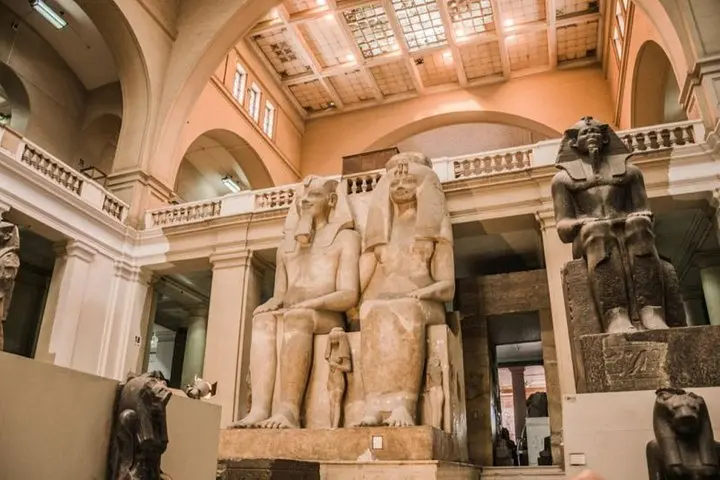
The day threads modern Cairo to pharaonic engineering. The Pyramids of Giza date to Egypt’s Fourth Dynasty (around 2600–2500 BCE), built from quarried limestone and encased in now-weathered casing stones. Geologically the plateau is a workable limestone shelf that made precise large-scale construction possible. At the Egyptian Museum in Tahrir Square you’ll see artifacts like Tutankhamun’s treasures and royal mummies—tangible links to a society obsessed with continuity and the afterlife.
You’ll pass the Papyrus Museum and touch a technology that carried hieroglyphs for millennia. Local culture is brisk and service-oriented; expect vendors and camel handlers on the plateau and polite but firm negotiation.
Practical guidance: this is a long, structured day—14–15 hours including air transfers—so plan for early pickup and a late return. Carry your passport (required for the domestic flight), local currency for small purchases and tips, and photocopies of important documents. Wear sturdy walking shoes for uneven stone and sand, and bring sun protection; shade is limited on the plateau. Security checkpoints and museum queues are standard—leave extra time for bags to be checked. Hydrate before and during the day and be ready for quick transitions between air-conditioned vehicles and hot, exposed sites. With focused planning, a single day delivers two of Egypt’s most essential experiences.
Yes — the itinerary includes round-trip airfare between Sharm el Sheikh and Cairo as part of the package.
Admission is included for the Egyptian Museum and the Pyramids/Sphinx visits per the itinerary; special areas (like entering a pyramid chamber) may have separate tickets on-site.
Expect moderate walking—short uphill sections on the plateau and steps inside museum exhibits; the day is long but not technically demanding.
Service animals are allowed and specialized infant seats are available; notify the operator during booking to arrange accommodations.
Noun Travel operates guided outdoor trips and adventures with an emphasis on safety, stewardship, and memorable experiences.
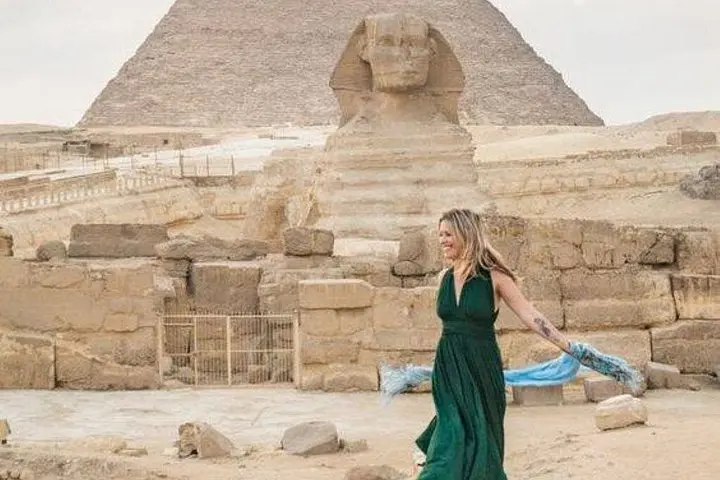
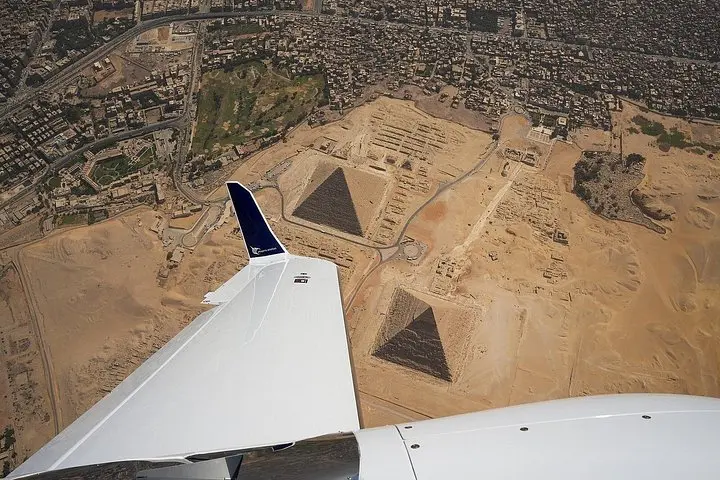
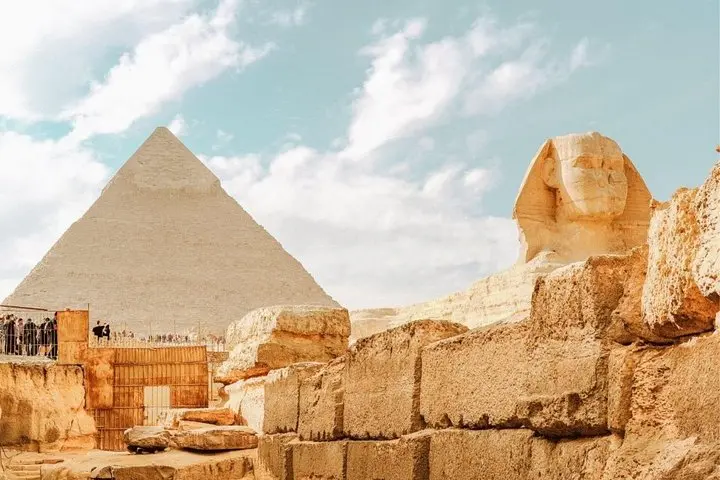
You lift off from Sharm el Sheikh before sunrise and, an hour later, the Nile’s spread and Cairo’s concrete blocks unroll beneath you. Stepping onto the Giza Plateau feels immediate—stone monuments jolt the horizon like an arranged skyline, the Sphinx watching traffic and camels alike.
You lift off from Sharm el Sheikh before sunrise and, an hour later, the Nile’s spread and Cairo’s concrete blocks unroll beneath you. Stepping onto the Giza Plateau feels immediate—stone monuments jolt the horizon like an arranged skyline, the Sphinx watching traffic and camels alike.
The day threads modern Cairo to pharaonic engineering. The Pyramids of Giza date to Egypt’s Fourth Dynasty (around 2600–2500 BCE), built from quarried limestone and encased in now-weathered casing stones. Geologically the plateau is a workable limestone shelf that made precise large-scale construction possible. At the Egyptian Museum in Tahrir Square you’ll see artifacts like Tutankhamun’s treasures and royal mummies—tangible links to a society obsessed with continuity and the afterlife.
You’ll pass the Papyrus Museum and touch a technology that carried hieroglyphs for millennia. Local culture is brisk and service-oriented; expect vendors and camel handlers on the plateau and polite but firm negotiation.
Practical guidance: this is a long, structured day—14–15 hours including air transfers—so plan for early pickup and a late return. Carry your passport (required for the domestic flight), local currency for small purchases and tips, and photocopies of important documents. Wear sturdy walking shoes for uneven stone and sand, and bring sun protection; shade is limited on the plateau. Security checkpoints and museum queues are standard—leave extra time for bags to be checked. Hydrate before and during the day and be ready for quick transitions between air-conditioned vehicles and hot, exposed sites. With focused planning, a single day delivers two of Egypt’s most essential experiences.