THE ADVENTURE COLLECTIVE® · Independent discovery and booking for outdoor travel

Explore Cairo’s Citadel and the crowded alleys of Khan El Khalili on a full-day private tour that pairs fortress ramparts and alabaster mosques with the bargain-driven chaos of an ancient market. Expect steep stone steps, mosque etiquette, and plenty of walking between historic sights.
Explore Cairo’s Citadel and the crowded alleys of Khan El Khalili on a full-day private tour that pairs fortress ramparts and alabaster mosques with the bargain-driven chaos of an ancient market. Expect steep stone steps, mosque etiquette, and plenty of walking between historic sights.
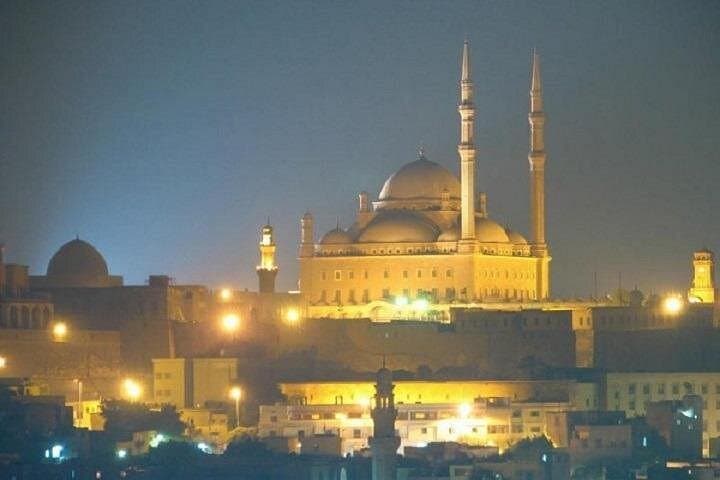
You arrive at the foot of Mokattam Hill with the city spread below — traffic a low roar, prayer calls drifting up from neighborhood mosques, and the Citadel’s stone silhouette cutting a hard line against the sky. The hill keeps watch over Cairo; its walls were built to protect a city that has been remade many times over.
Verified experiences and guided adventures in the surrounding area.
Operated by Oman Day Tours · Cairo, Cairo Governorate
You arrive at the foot of Mokattam Hill with the city spread below — traffic a low roar, prayer calls drifting up from neighborhood mosques, and the Citadel’s stone silhouette cutting a hard line against the sky. The hill keeps watch over Cairo; its walls were built to protect a city that has been remade many times over.
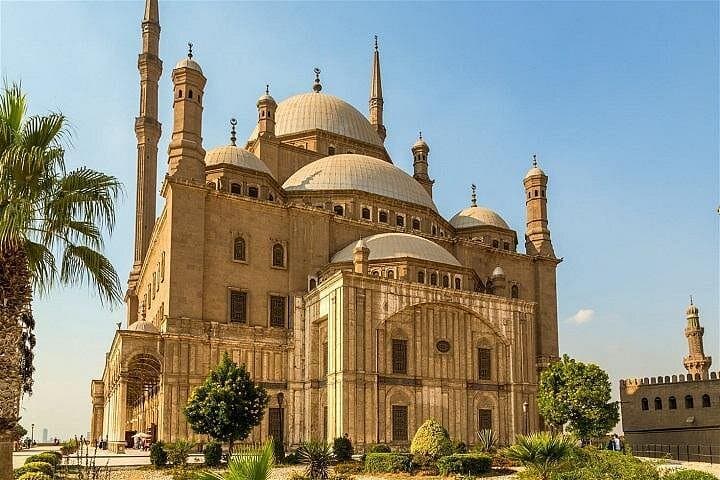
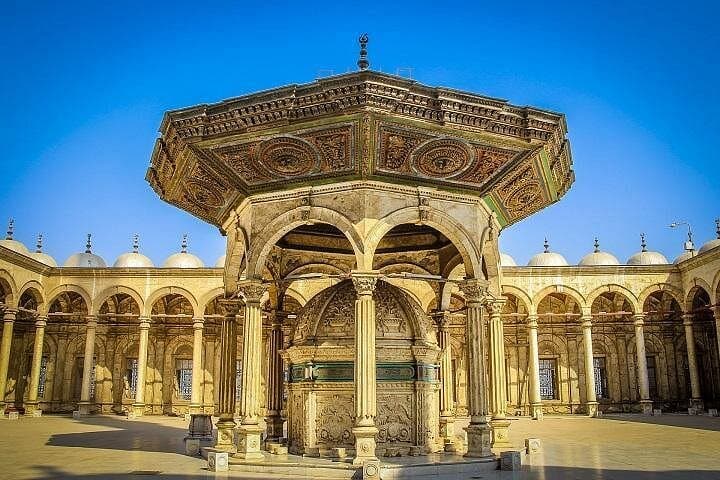
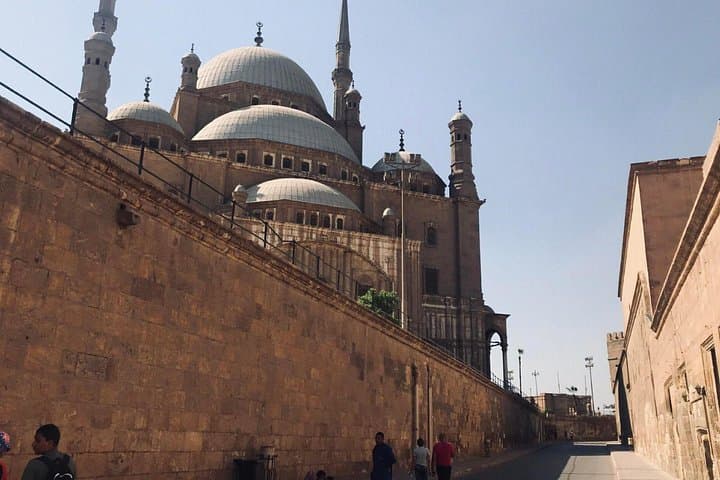
The tour moves from fortress to mosque to market. The Citadel, begun under Saladin in 1176, sits on limestone outcrop and uses reused blocks of ancient stone; its ramparts speak to military engineering adapted to the city’s geology and shifting rulers. Inside, Muhammad Ali’s Alabaster Mosque dominates with Ottoman-inspired domes and minarets; its marble surfaces catch late-afternoon light like brushed metal. From the ramparts you can read the layers of Cairo’s history — Fatimid, Ayyubid, Ottoman — laid out toward the Nile.
Descending into Islamic Cairo, the day finishes in Khan El Khalili, a crowded open bazaar where bargaining is expected and spices, brassware, and papyrus prints jostle for attention. The market is as much social circuit as shopping strip: coffee shops, perfumers, and small family workshops persist alongside tourist stalls.
Practical guidance: expect 6–8 hours on foot, uneven stone steps, and open sun on the ramparts. Dress conservatively for mosque visits, wear sturdy walking shoes, carry water, and leave large bags at your hotel if possible. Aim for morning or late afternoon to avoid peak heat and to catch the best light for photos.
This private tour runs about 6–8 hours, typically including hotel transfers, Citadel, Alabaster Mosque, and Khan El Khalili.
Entrance fees for the listed sites are included; mosque access requires modest dress and may close briefly for prayer times.
Yes — polite bargaining is standard; start lower than your target price and be ready to walk away if terms aren’t agreeable.
The Citadel has many steps and uneven areas and is not recommended for travelers with serious mobility constraints or spinal issues.
Oman Day Tours operates guided outdoor trips and adventures with an emphasis on safety, stewardship, and memorable experiences.
You arrive at the foot of Mokattam Hill with the city spread below — traffic a low roar, prayer calls drifting up from neighborhood mosques, and the Citadel’s stone silhouette cutting a hard line against the sky. The hill keeps watch over Cairo; its walls were built to protect a city that has been remade many times over.
You arrive at the foot of Mokattam Hill with the city spread below — traffic a low roar, prayer calls drifting up from neighborhood mosques, and the Citadel’s stone silhouette cutting a hard line against the sky. The hill keeps watch over Cairo; its walls were built to protect a city that has been remade many times over.
The tour moves from fortress to mosque to market. The Citadel, begun under Saladin in 1176, sits on limestone outcrop and uses reused blocks of ancient stone; its ramparts speak to military engineering adapted to the city’s geology and shifting rulers. Inside, Muhammad Ali’s Alabaster Mosque dominates with Ottoman-inspired domes and minarets; its marble surfaces catch late-afternoon light like brushed metal. From the ramparts you can read the layers of Cairo’s history — Fatimid, Ayyubid, Ottoman — laid out toward the Nile.
Descending into Islamic Cairo, the day finishes in Khan El Khalili, a crowded open bazaar where bargaining is expected and spices, brassware, and papyrus prints jostle for attention. The market is as much social circuit as shopping strip: coffee shops, perfumers, and small family workshops persist alongside tourist stalls.
Practical guidance: expect 6–8 hours on foot, uneven stone steps, and open sun on the ramparts. Dress conservatively for mosque visits, wear sturdy walking shoes, carry water, and leave large bags at your hotel if possible. Aim for morning or late afternoon to avoid peak heat and to catch the best light for photos.