THE ADVENTURE COLLECTIVE® · Independent discovery and booking for outdoor travel

Spend a full day beyond Giza to explore Memphis, Saqqara, and Dahshur—home to the Step Pyramid and the Bent and Red Pyramids. This guided tour combines quieter archaeological sites, clear historical context, and a manageable amount of walking across desert plains.
Spend a full day beyond Giza to explore Memphis, Saqqara, and Dahshur—home to the Step Pyramid and the Bent and Red Pyramids. This guided tour combines quieter archaeological sites, clear historical context, and a manageable amount of walking across desert plains.
You step out of an air-conditioned minivan into a wide, sun-bleached plain where stone giants keep watch. Low wind carries dust and the faint tang of sunwarmed limestone; the shadow of the Step Pyramid stretches across hard-packed sand as your guide traces lines that were drawn three millennia ago.
Verified experiences and guided adventures in the surrounding area.
Operated by CRUISE ERA · Cairo, Cairo Governorate
You step out of an air-conditioned minivan into a wide, sun-bleached plain where stone giants keep watch. Low wind carries dust and the faint tang of sunwarmed limestone; the shadow of the Step Pyramid stretches across hard-packed sand as your guide traces lines that were drawn three millennia ago.
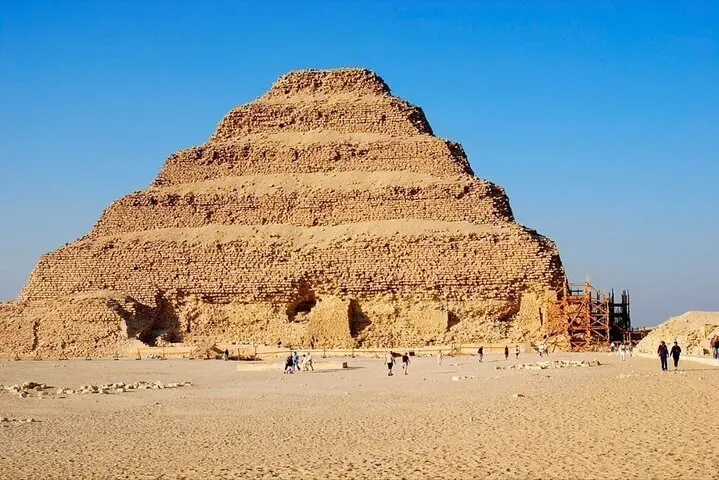
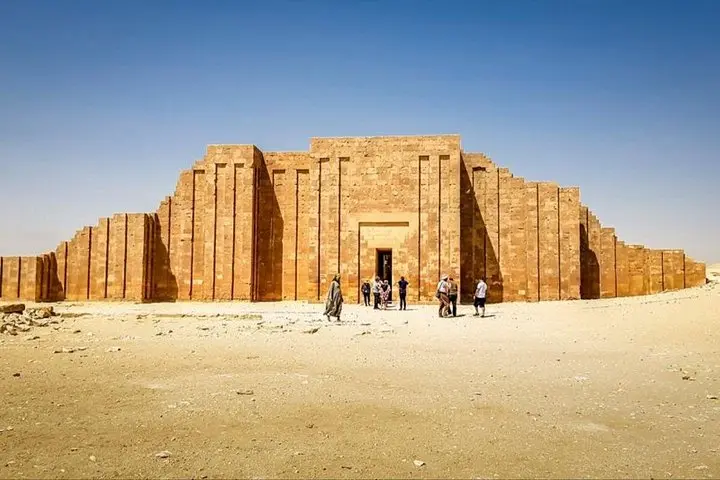
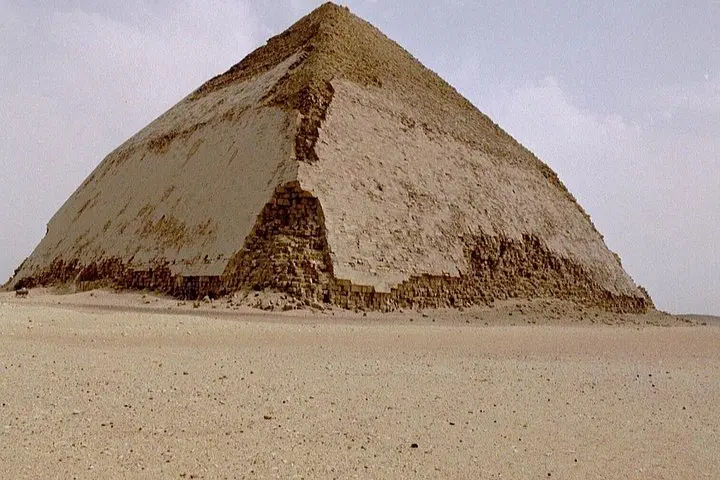
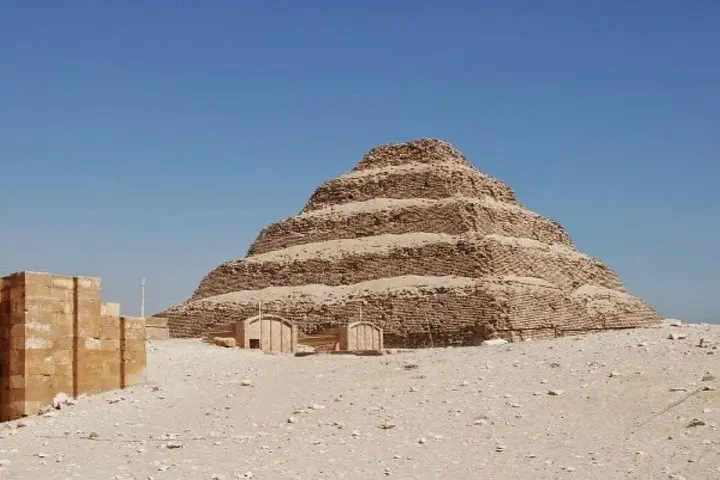
The route links Egypt’s earliest civic center, Memphis, with the funerary complex of Saqqara and the experimental pyramids of Dahshur. Memphis was the administrative heart of Old Kingdom power; its open-air museum preserves a colossal Ramses II and remnants of temple stones. Saqqara’s Step Pyramid of Djoser marks a turning point in construction—stone replacing mudbrick—while Dahshur’s Bent and Red Pyramids reveal the trial-and-error that led to Giza’s iconic forms.
Geology here is simple and stark: Eocene limestone beds and wind-polished desert plains give the monuments their material and the region its slow erosion. Culturally, the sites are quieter than Giza, offering clearer lines of sight to ancient architecture and inscriptions.
Practical guidance: start early to avoid midday heat; wear closed-toe shoes for uneven tomb floors and bring at least 1–2 liters of water. Expect walking on compacted sand, stepped tomb interiors, and low doorways at Saqqara. Photography is allowed in many outdoor areas but may be restricted inside certain tombs—ask your Egyptologist guide. Carry sun protection and modest clothing for respect at archeological and religious sites. The day is a compact mix of outdoor walking, shaded explanations, and short drives—ideal for travelers who want concentrated history without the crowds of Giza.
This tour includes admission to the listed sites; confirm when booking and carry ID for ticketing purposes.
Transfers and some outdoor areas are vehicle-accessible, but many tomb interiors and stepped areas are not fully wheelchair-friendly—check specifics with the operator.
Comfortable, modest clothing that covers shoulders and knees is recommended; breathable fabrics work best in the heat.
Lunch at a local restaurant is included; notify the operator of dietary restrictions at booking so they can arrange alternatives.
CRUISE ERA operates guided outdoor trips and adventures with an emphasis on safety, stewardship, and memorable experiences.
You step out of an air-conditioned minivan into a wide, sun-bleached plain where stone giants keep watch. Low wind carries dust and the faint tang of sunwarmed limestone; the shadow of the Step Pyramid stretches across hard-packed sand as your guide traces lines that were drawn three millennia ago.
You step out of an air-conditioned minivan into a wide, sun-bleached plain where stone giants keep watch. Low wind carries dust and the faint tang of sunwarmed limestone; the shadow of the Step Pyramid stretches across hard-packed sand as your guide traces lines that were drawn three millennia ago.
The route links Egypt’s earliest civic center, Memphis, with the funerary complex of Saqqara and the experimental pyramids of Dahshur. Memphis was the administrative heart of Old Kingdom power; its open-air museum preserves a colossal Ramses II and remnants of temple stones. Saqqara’s Step Pyramid of Djoser marks a turning point in construction—stone replacing mudbrick—while Dahshur’s Bent and Red Pyramids reveal the trial-and-error that led to Giza’s iconic forms.
Geology here is simple and stark: Eocene limestone beds and wind-polished desert plains give the monuments their material and the region its slow erosion. Culturally, the sites are quieter than Giza, offering clearer lines of sight to ancient architecture and inscriptions.
Practical guidance: start early to avoid midday heat; wear closed-toe shoes for uneven tomb floors and bring at least 1–2 liters of water. Expect walking on compacted sand, stepped tomb interiors, and low doorways at Saqqara. Photography is allowed in many outdoor areas but may be restricted inside certain tombs—ask your Egyptologist guide. Carry sun protection and modest clothing for respect at archeological and religious sites. The day is a compact mix of outdoor walking, shaded explanations, and short drives—ideal for travelers who want concentrated history without the crowds of Giza.