THE ADVENTURE COLLECTIVE® · Independent discovery and booking for outdoor travel
Explore Cairo’s core in one five-hour sweep: start at the Egyptian Museum, visit Coptic and Jewish landmarks in Old Cairo, then finish amid the colors and call-and-response bargaining of Khan El Khalili. Practical tips included for timing, fees and what to bring.
Explore Cairo’s core in one five-hour sweep: start at the Egyptian Museum, visit Coptic and Jewish landmarks in Old Cairo, then finish amid the colors and call-and-response bargaining of Khan El Khalili. Practical tips included for timing, fees and what to bring.
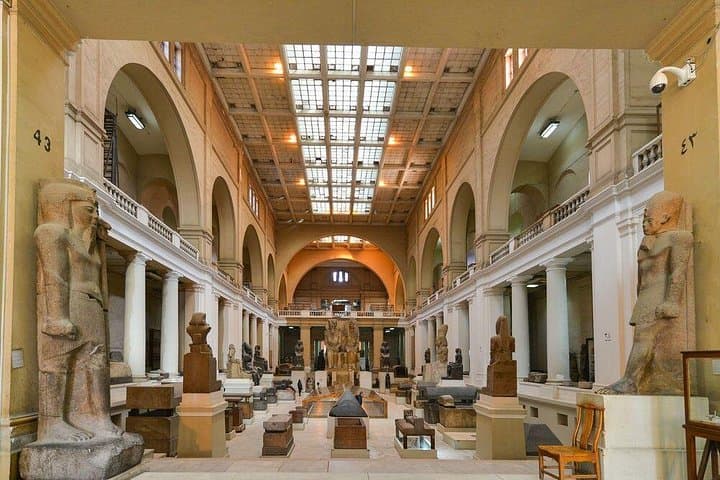
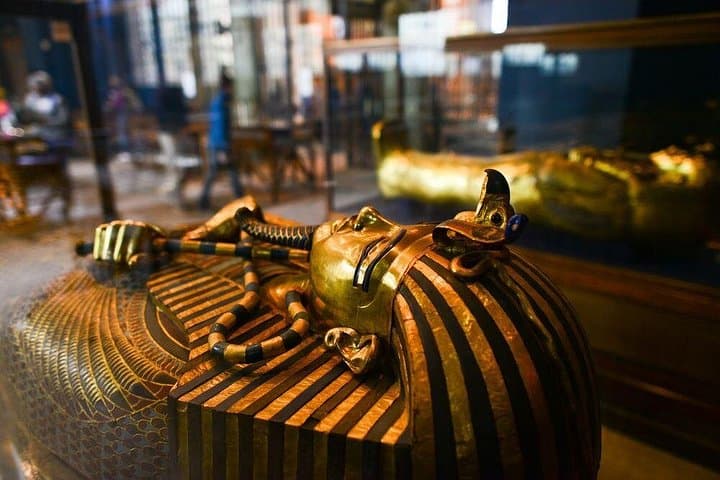
You step out of your hotel vehicle and the city unfolds—minarets puncture the sky, traffic hums, and the air carries a faint mix of spices and diesel. The Egyptian Museum sits at the edge of Tahrir Square, its galleries holding objects that make time feel negotiable: gilded masks, sculpted gods and the silent gaze of royal mummies.
Verified experiences and guided adventures in the surrounding area.
Operated by Egypt Super Tours · Cairo, Cairo
You step out of your hotel vehicle and the city unfolds—minarets puncture the sky, traffic hums, and the air carries a faint mix of spices and diesel. The Egyptian Museum sits at the edge of Tahrir Square, its galleries holding objects that make time feel negotiable: gilded masks, sculpted gods and the silent gaze of royal mummies.
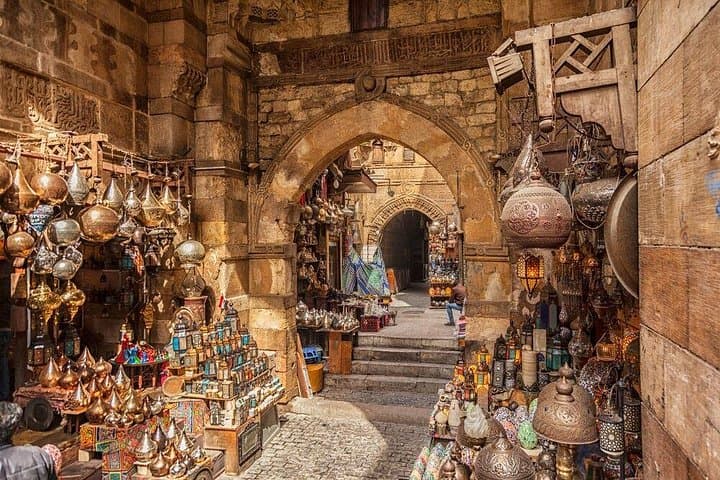
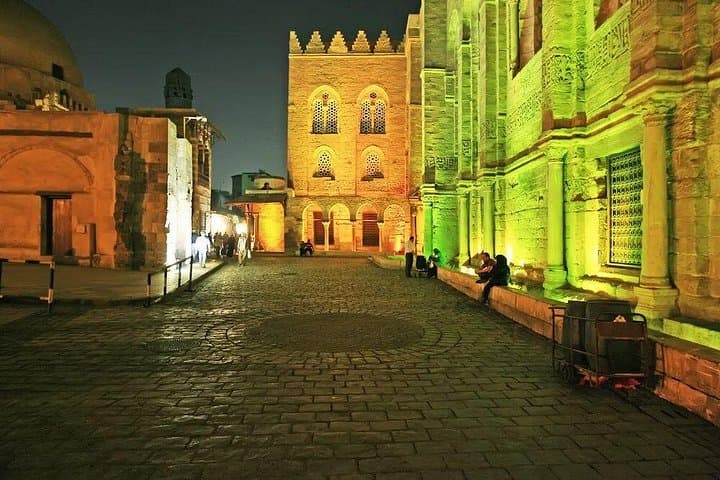
This day tour threads three layers of Cairo. The Egyptian Museum collects 5,000 years of Pharaonic material culture; across town, Old Cairo preserves Christian and Jewish histories inside the Fort of Babylon, the Hanging Church and Ben Ezra Synagogue. Khan El Khalili, founded in the 14th century, trades in artisanship—metalwork, perfumes and hand-stitched textiles—with bargaining an expected rhythm.
Geology and urban growth play supporting roles: the Nile’s floodplain fostered ancient settlement patterns while the city’s limestone and mudbrick past show in narrow alleys and fortified walls. Local guides—often Egyptologists—translate objects and religious sites into human stories, from pilgrimage routes to Ottoman market culture.
Practically: expect roughly five hours, mostly low-impact walking on paved surfaces with stairs in older buildings. Entrance fees for the museum are typically paid on-site; bring a card. Midday heat can be intense—plan museum time for the morning, then shade for Old Cairo and late afternoon for the bazaar. Dress respectfully for religious sites, carry water, and leave large valuables in your hotel. With a knowledgeable guide and sensible pacing, this single-day circuit delivers a compact, vivid primer on Cairo’s layered past and present.
The tour description notes museum admission is not included; plan to pay the Egyptian Museum fee on-site by card or cash.
The provider lists the tour as wheelchair accessible, but older sites like the Hanging Church may have uneven steps—notify operator of needs at booking.
Yes, a one-hour lunch in a local restaurant is included in the itinerary.
This shared tour caps at 15 travelers, offering a small-group experience with an Egyptologist guide.
Egypt Super Tours operates guided outdoor trips and adventures with an emphasis on safety, stewardship, and memorable experiences.
You step out of your hotel vehicle and the city unfolds—minarets puncture the sky, traffic hums, and the air carries a faint mix of spices and diesel. The Egyptian Museum sits at the edge of Tahrir Square, its galleries holding objects that make time feel negotiable: gilded masks, sculpted gods and the silent gaze of royal mummies.
You step out of your hotel vehicle and the city unfolds—minarets puncture the sky, traffic hums, and the air carries a faint mix of spices and diesel. The Egyptian Museum sits at the edge of Tahrir Square, its galleries holding objects that make time feel negotiable: gilded masks, sculpted gods and the silent gaze of royal mummies.
This day tour threads three layers of Cairo. The Egyptian Museum collects 5,000 years of Pharaonic material culture; across town, Old Cairo preserves Christian and Jewish histories inside the Fort of Babylon, the Hanging Church and Ben Ezra Synagogue. Khan El Khalili, founded in the 14th century, trades in artisanship—metalwork, perfumes and hand-stitched textiles—with bargaining an expected rhythm.
Geology and urban growth play supporting roles: the Nile’s floodplain fostered ancient settlement patterns while the city’s limestone and mudbrick past show in narrow alleys and fortified walls. Local guides—often Egyptologists—translate objects and religious sites into human stories, from pilgrimage routes to Ottoman market culture.
Practically: expect roughly five hours, mostly low-impact walking on paved surfaces with stairs in older buildings. Entrance fees for the museum are typically paid on-site; bring a card. Midday heat can be intense—plan museum time for the morning, then shade for Old Cairo and late afternoon for the bazaar. Dress respectfully for religious sites, carry water, and leave large valuables in your hotel. With a knowledgeable guide and sensible pacing, this single-day circuit delivers a compact, vivid primer on Cairo’s layered past and present.
