THE ADVENTURE COLLECTIVE® · Independent discovery and booking for outdoor travel
See Egypt’s most iconic monuments on a single, long daytrip from Sharm El Sheikh. Travel overnight or early morning by coach to the Giza Plateau, enjoy a Nile-side lunch and explore the Egyptian Museum in Tahrir Square.
See Egypt’s most iconic monuments on a single, long daytrip from Sharm El Sheikh. Travel overnight or early morning by coach to the Giza Plateau, enjoy a Nile-side lunch and explore the Egyptian Museum in Tahrir Square.
You arrive before dawn, the coach pulling off the Sinai highway as light widens over a flat, ochre desert. The air is cool and dry; the horizon reads like a promise. By midmorning the Great Pyramid rises into view — an ancient geometry of stone that imposes scale more than explanation. Walking the grit of the Giza Plateau, the Sphinx turns its quiet, carved face toward the city where millennia of human stories collide.
Verified experiences and guided adventures in the surrounding area.
Operated by Saray El-Nile · Cairo, Cairo Governorate
You arrive before dawn, the coach pulling off the Sinai highway as light widens over a flat, ochre desert. The air is cool and dry; the horizon reads like a promise. By midmorning the Great Pyramid rises into view — an ancient geometry of stone that imposes scale more than explanation. Walking the grit of the Giza Plateau, the Sphinx turns its quiet, carved face toward the city where millennia of human stories collide.
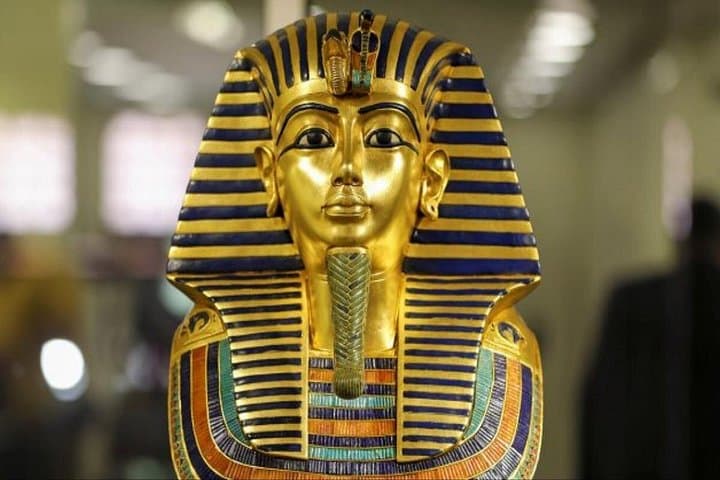
The route from Sharm El Sheikh to Cairo follows the same northbound corridor traders and pilgrims used for centuries, but the Pyramids themselves date to Egypt’s Fourth Dynasty (c. 2600–2500 BCE). The Egyptian Museum in Tahrir Square houses a concentrated collection of artifacts — funerary masks, gilded jewelry and mummified remains — that outline a civilization built around Nile agriculture, monumental tombs and elaborate burial rites.
Expect broad desert expanses between stops, the Nile’s quiet curve viewed from a riverside lunch, and the compressed urban energy of Old Cairo later in the day. This is a long daytrip: overnight or early-morning coach travel, roughly 6–8 hours each way depending on traffic, with 1–2 hours at main sites like the Giza Plateau and the museum.
Practical notes: wear broken-in walking shoes for sandy, uneven ground; carry 2–3 liters of water, sun protection and a small daypack. Bring local currency for tips and souvenirs, leave time for passport checks when a guided group visits major sites, and plan to be tired but deeply satisfied by the end of a full, historically dense day.
Expect approximately 6–8 hours each way depending on route and traffic; the itinerary schedules early departure and a return the same day or overnight travel depending on the operator.
According to the itinerary, admission to the Giza Plateau and Egyptian Museum is included; verify with the operator before booking for any recent changes.
The tour is classified as suitable for most fitness levels, but it involves long travel and some walking; plan for rest and consult the operator about specific needs.
Yes — the itinerary allows free time for photos at Giza and short shopping stops in Cairo; keep valuables secure and agree meeting points with your guide.
Saray El-Nile operates guided outdoor trips and adventures with an emphasis on safety, stewardship, and memorable experiences.
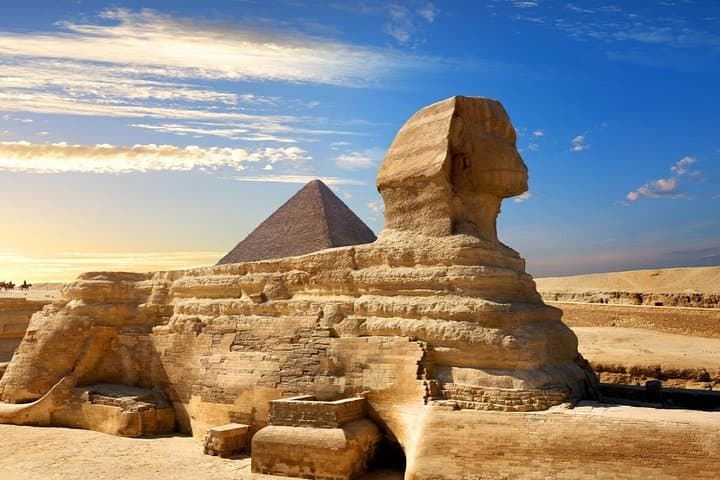
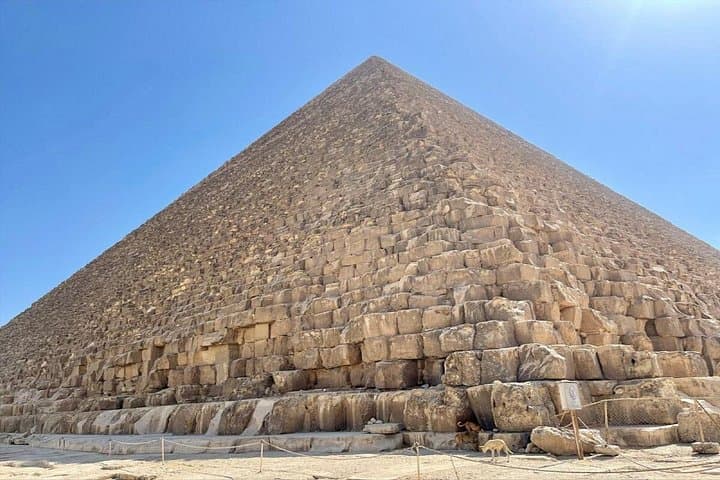

You arrive before dawn, the coach pulling off the Sinai highway as light widens over a flat, ochre desert. The air is cool and dry; the horizon reads like a promise. By midmorning the Great Pyramid rises into view — an ancient geometry of stone that imposes scale more than explanation. Walking the grit of the Giza Plateau, the Sphinx turns its quiet, carved face toward the city where millennia of human stories collide.
You arrive before dawn, the coach pulling off the Sinai highway as light widens over a flat, ochre desert. The air is cool and dry; the horizon reads like a promise. By midmorning the Great Pyramid rises into view — an ancient geometry of stone that imposes scale more than explanation. Walking the grit of the Giza Plateau, the Sphinx turns its quiet, carved face toward the city where millennia of human stories collide.
The route from Sharm El Sheikh to Cairo follows the same northbound corridor traders and pilgrims used for centuries, but the Pyramids themselves date to Egypt’s Fourth Dynasty (c. 2600–2500 BCE). The Egyptian Museum in Tahrir Square houses a concentrated collection of artifacts — funerary masks, gilded jewelry and mummified remains — that outline a civilization built around Nile agriculture, monumental tombs and elaborate burial rites.
Expect broad desert expanses between stops, the Nile’s quiet curve viewed from a riverside lunch, and the compressed urban energy of Old Cairo later in the day. This is a long daytrip: overnight or early-morning coach travel, roughly 6–8 hours each way depending on traffic, with 1–2 hours at main sites like the Giza Plateau and the museum.
Practical notes: wear broken-in walking shoes for sandy, uneven ground; carry 2–3 liters of water, sun protection and a small daypack. Bring local currency for tips and souvenirs, leave time for passport checks when a guided group visits major sites, and plan to be tired but deeply satisfied by the end of a full, historically dense day.
