THE ADVENTURE COLLECTIVE® · Independent discovery and booking for outdoor travel

See the Giza Plateau at sunrise, stand before Tutankhamun’s treasures, and end the day with dinner and a folkloric show on the Nile. This private guided itinerary compresses Cairo’s essential sights into one manageable, context-rich day.
See the Giza Plateau at sunrise, stand before Tutankhamun’s treasures, and end the day with dinner and a folkloric show on the Nile. This private guided itinerary compresses Cairo’s essential sights into one manageable, context-rich day.
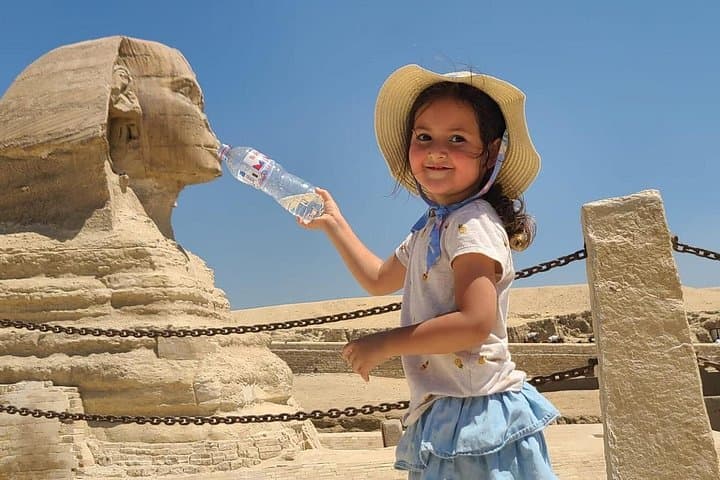
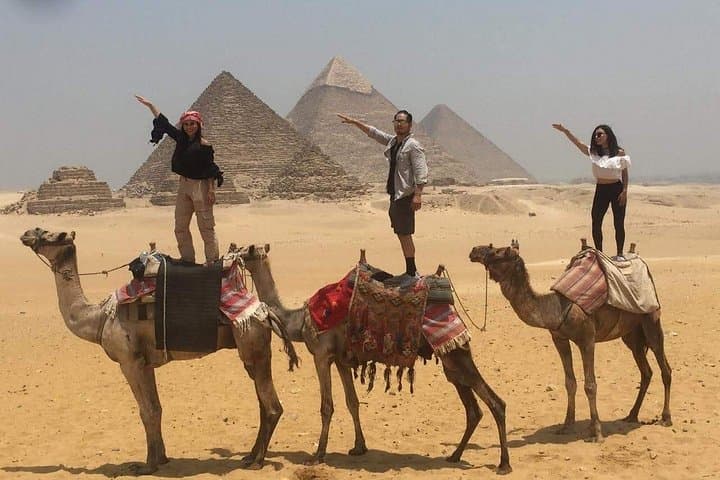
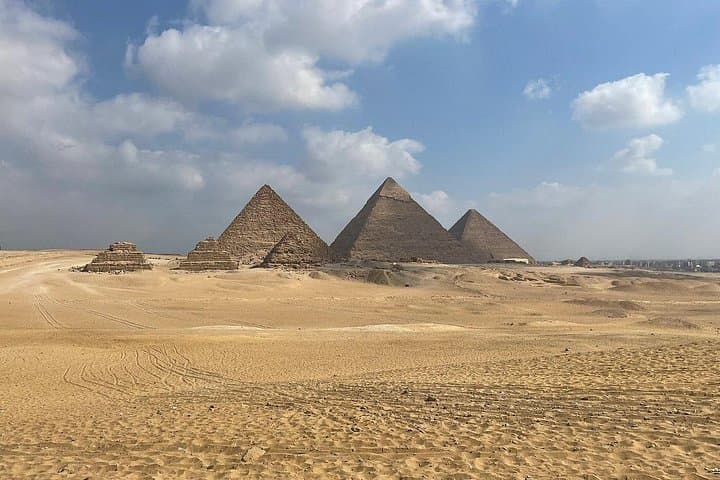
The day begins with the sun baking the limestone faces of the Great Pyramid as Cairo hums beyond the plateau — dust motes riding warm drafts while guides point out ancient quarry seams and the guarded posture of the Sphinx.
Verified experiences and guided adventures in the surrounding area.
Operated by Egypt Budget Tours · Cairo, Cairo Governorate
The day begins with the sun baking the limestone faces of the Great Pyramid as Cairo hums beyond the plateau — dust motes riding warm drafts while guides point out ancient quarry seams and the guarded posture of the Sphinx.
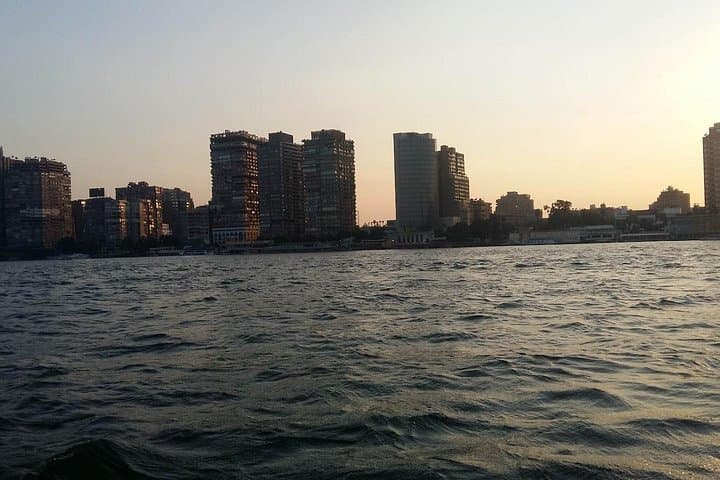
Visitors move from this exposed, wind-scoured plateau into cool, dim museum halls where gold and cedar reveal different kinds of endurance: Tutankhamun’s mask, cartonnage, and embalming equipment catalog a civilization’s obsession with immortal detail. Later the Nile draws the group into a low-slung boat; the river pushes the city past your window, lights catching minarets and modern towers as a belly-drum folkloric show begins.
Geology and history are bluntly on display: the Giza monuments sit on stable Eocene limestone benchrock whose beds were shaped into blocks by ancient quarrying. Cairo grew from a succession of capitals—Pharaonic, Greco-Roman, Islamic—layering streets, bazaars, and mosques at the river’s edge.
Expect a pace that alternates open-air walking on uneven stone and museum corridors; the cruise is relaxed but timed. Practicalities: carry sun protection and a refillable bottle, bring a copy of your passport for museum entry, and wear shoes with good traction for limestone steps. Plan for security lines and modest dress in religious sites.
A local Egyptologist guide will add context, negotiate lines, and translate inscriptions into vivid, usable history. For travelers who want a compact, sensory-heavy introduction to Cairo, this combo of plateau, collection, and river delivers a clear, manageable day of contrasts and discoveries.
The private tour runs about 5 to 8 hours depending on traffic, time spent at each site, and your chosen pickup time.
Yes — the itinerary includes the Egyptian Museum; your Egyptologist guide will highlight key exhibits like Tutankhamun’s collection.
Exploring the plateau involves walking on uneven stone and sand; you won’t need technical climbing skills but should be steady on your feet.
Yes — the dinner cruise is family-friendly with open buffet dining and a seated show, but book seats early for preferred table placement.
Egypt Budget Tours operates guided outdoor trips and adventures with an emphasis on safety, stewardship, and memorable experiences.
The day begins with the sun baking the limestone faces of the Great Pyramid as Cairo hums beyond the plateau — dust motes riding warm drafts while guides point out ancient quarry seams and the guarded posture of the Sphinx.
The day begins with the sun baking the limestone faces of the Great Pyramid as Cairo hums beyond the plateau — dust motes riding warm drafts while guides point out ancient quarry seams and the guarded posture of the Sphinx.
Visitors move from this exposed, wind-scoured plateau into cool, dim museum halls where gold and cedar reveal different kinds of endurance: Tutankhamun’s mask, cartonnage, and embalming equipment catalog a civilization’s obsession with immortal detail. Later the Nile draws the group into a low-slung boat; the river pushes the city past your window, lights catching minarets and modern towers as a belly-drum folkloric show begins.
Geology and history are bluntly on display: the Giza monuments sit on stable Eocene limestone benchrock whose beds were shaped into blocks by ancient quarrying. Cairo grew from a succession of capitals—Pharaonic, Greco-Roman, Islamic—layering streets, bazaars, and mosques at the river’s edge.
Expect a pace that alternates open-air walking on uneven stone and museum corridors; the cruise is relaxed but timed. Practicalities: carry sun protection and a refillable bottle, bring a copy of your passport for museum entry, and wear shoes with good traction for limestone steps. Plan for security lines and modest dress in religious sites.
A local Egyptologist guide will add context, negotiate lines, and translate inscriptions into vivid, usable history. For travelers who want a compact, sensory-heavy introduction to Cairo, this combo of plateau, collection, and river delivers a clear, manageable day of contrasts and discoveries.