THE ADVENTURE COLLECTIVE® · Independent discovery and booking for outdoor travel

See Giza’s pyramids up close, ride a camel across the plateau, explore the Egyptian Museum’s treasures, and bargain through Khan el-Khalili — all in a single private day with a licensed Egyptologist. Practical timing, packing and cultural tips help you move smoothly through Cairo’s biggest sites.
See Giza’s pyramids up close, ride a camel across the plateau, explore the Egyptian Museum’s treasures, and bargain through Khan el-Khalili — all in a single private day with a licensed Egyptologist. Practical timing, packing and cultural tips help you move smoothly through Cairo’s biggest sites.
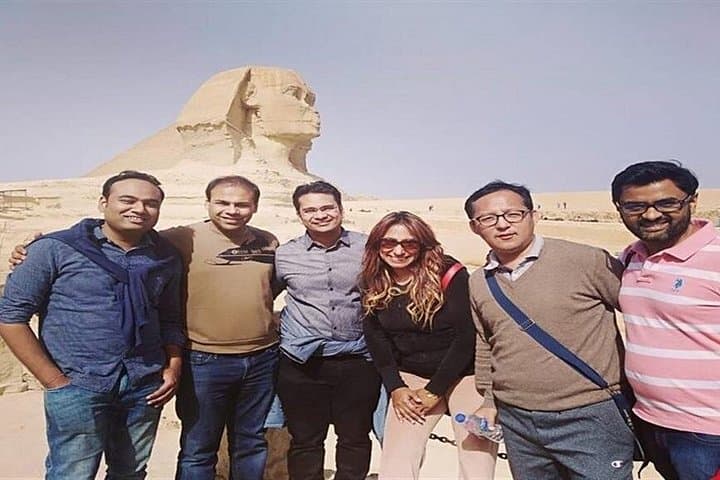
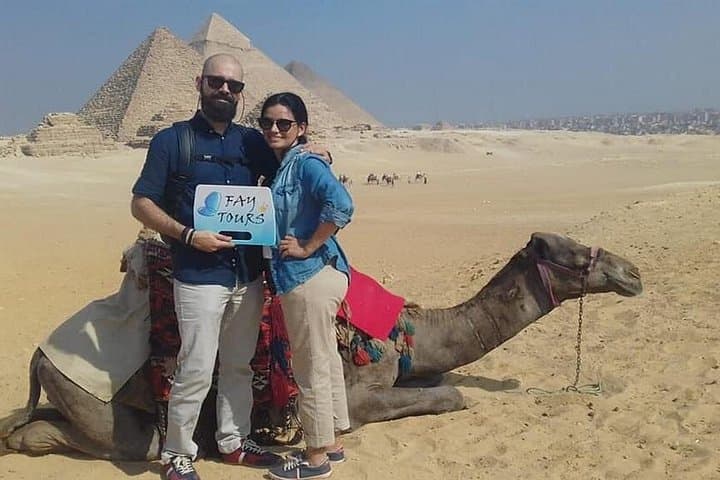
You step out of the air-conditioned van and the desert reaches for you — a wide, sunbaked plain where stone giants watch over the city. The Giza Plateau rises like an argument against time: the Great Pyramid’s angles cut the sky, the Sphinx stares with ancient indifference, and camels pace the sandy margins as if keeping the old routes open.
Verified experiences and guided adventures in the surrounding area.
Operated by Fay Tours · Cairo, Cairo Governorate
You step out of the air-conditioned van and the desert reaches for you — a wide, sunbaked plain where stone giants watch over the city. The Giza Plateau rises like an argument against time: the Great Pyramid’s angles cut the sky, the Sphinx stares with ancient indifference, and camels pace the sandy margins as if keeping the old routes open.
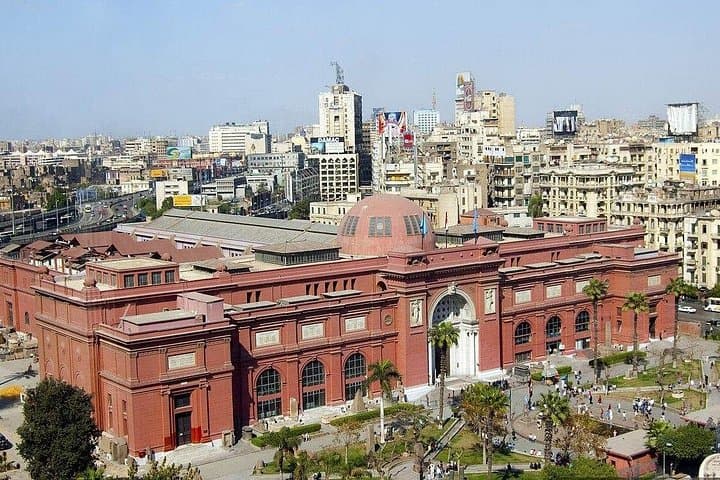
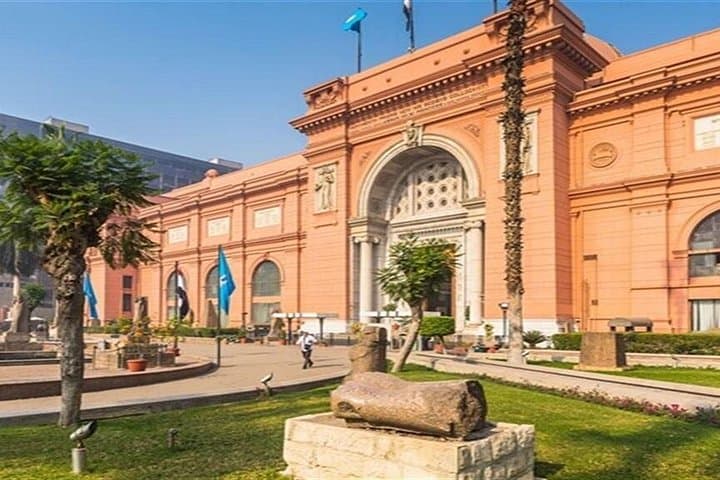
This private full-day tour threads visible history together: the three pyramids of Khufu, Khafre and Menkaure from the Fourth Dynasty (about 4,500 years old), the limestone Valley Temple where mortuary rites left cut stone floors, then a 30-minute camel ride that lets the desert nudge at your rhythm. In central Cairo the Egyptian Museum collects millennia of material culture — from Tutankhamun’s jewelry to painted mummy portraits — and Khan el-Khalili’s bazaar offers a living counterpoint of craft, spices and bargaining tradition.
Geology frames it all: the Giza limestone plateau is a fossil-rich bedrock that builders quarried for precise blocks; seams and erosion patterns make each pyramid face read differently at dawn and dusk. The culture here is layered — Pharaonic, Islamic, colonial and contemporary — and local guides translate both story and etiquette.
Practical notes: the day runs roughly 7–8 hours with hotel pickup. Wear sturdy shoes, sun protection and bring cash for small purchases and tipping. Museums restrict large bags and certain photography; follow your Egyptologist guide for skip-the-queues and respectful access. Pace the day: hydrate between sites, aim for morning light at Giza, and leave time to negotiate slowly in Khan el-Khalili.
Yes; the included 30-minute ride is short and on relatively flat ground — guides and handlers assist beginners.
Access to inside the pyramids and the Royal Mummy Rooms can require separate fees and limited tickets; ask your guide to arrange these in advance.
The tour lists wheelchair-accessible options for transport and some sites, but access across pyramid sands and certain museum rooms can be limited; check with the operator about specific needs.
Tipping is customary; plan small local-currency tips for your guide, driver and animal handlers based on service quality.
Fay Tours operates guided outdoor trips and adventures with an emphasis on safety, stewardship, and memorable experiences.
You step out of the air-conditioned van and the desert reaches for you — a wide, sunbaked plain where stone giants watch over the city. The Giza Plateau rises like an argument against time: the Great Pyramid’s angles cut the sky, the Sphinx stares with ancient indifference, and camels pace the sandy margins as if keeping the old routes open.
You step out of the air-conditioned van and the desert reaches for you — a wide, sunbaked plain where stone giants watch over the city. The Giza Plateau rises like an argument against time: the Great Pyramid’s angles cut the sky, the Sphinx stares with ancient indifference, and camels pace the sandy margins as if keeping the old routes open.
This private full-day tour threads visible history together: the three pyramids of Khufu, Khafre and Menkaure from the Fourth Dynasty (about 4,500 years old), the limestone Valley Temple where mortuary rites left cut stone floors, then a 30-minute camel ride that lets the desert nudge at your rhythm. In central Cairo the Egyptian Museum collects millennia of material culture — from Tutankhamun’s jewelry to painted mummy portraits — and Khan el-Khalili’s bazaar offers a living counterpoint of craft, spices and bargaining tradition.
Geology frames it all: the Giza limestone plateau is a fossil-rich bedrock that builders quarried for precise blocks; seams and erosion patterns make each pyramid face read differently at dawn and dusk. The culture here is layered — Pharaonic, Islamic, colonial and contemporary — and local guides translate both story and etiquette.
Practical notes: the day runs roughly 7–8 hours with hotel pickup. Wear sturdy shoes, sun protection and bring cash for small purchases and tipping. Museums restrict large bags and certain photography; follow your Egyptologist guide for skip-the-queues and respectful access. Pace the day: hydrate between sites, aim for morning light at Giza, and leave time to negotiate slowly in Khan el-Khalili.