THE ADVENTURE COLLECTIVE® · Independent discovery and booking for outdoor travel

Two days in Cairo pack ancient spectacle and slow-river calm: tour the Egyptian Museum’s treasures, glide a felucca on the Nile, then discover downtown by night. Practical tips and timing help you see the highlights without rushing.
Two days in Cairo pack ancient spectacle and slow-river calm: tour the Egyptian Museum’s treasures, glide a felucca on the Nile, then discover downtown by night. Practical tips and timing help you see the highlights without rushing.
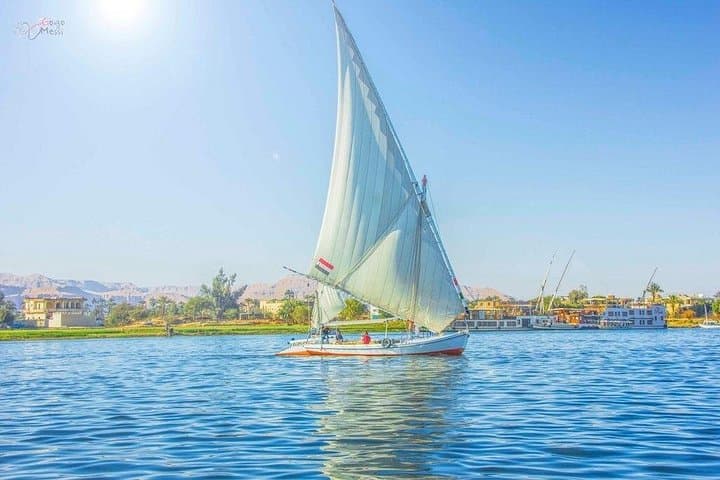
You step out of an air-conditioned car into the late-afternoon hum of Cairo: the flat light of the Nile cutting a bright ribbon through the city, vendors calling from the Corniche, and the silhouette of the Cairo Tower puncturing the skyline. The first afternoon eases into a short felucca ride where the river takes the lead, wind filling the sail and the city slipping past like pages.
Verified experiences and guided adventures in the surrounding area.
Operated by Book My Egypt Tours · Cairo, Cairo Governorate
You step out of an air-conditioned car into the late-afternoon hum of Cairo: the flat light of the Nile cutting a bright ribbon through the city, vendors calling from the Corniche, and the silhouette of the Cairo Tower puncturing the skyline. The first afternoon eases into a short felucca ride where the river takes the lead, wind filling the sail and the city slipping past like pages.
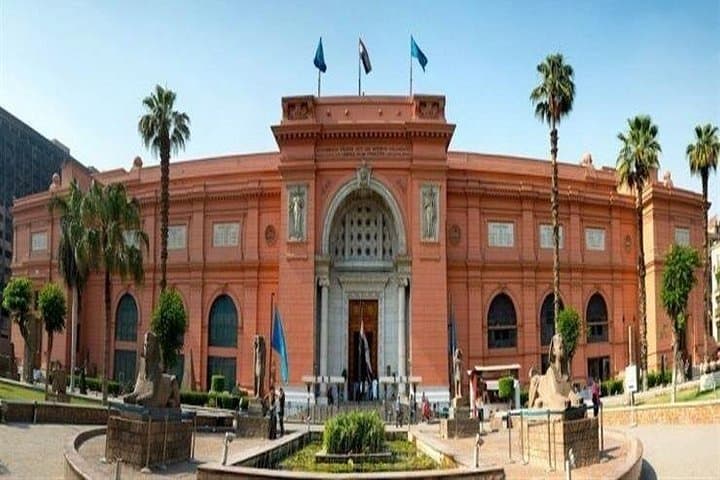
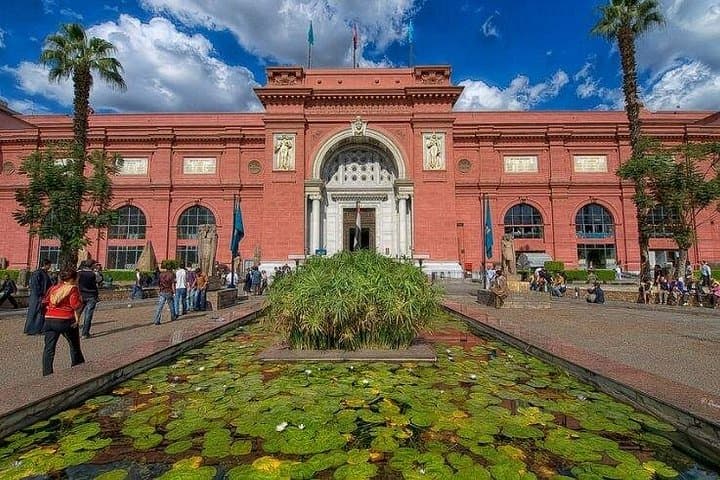
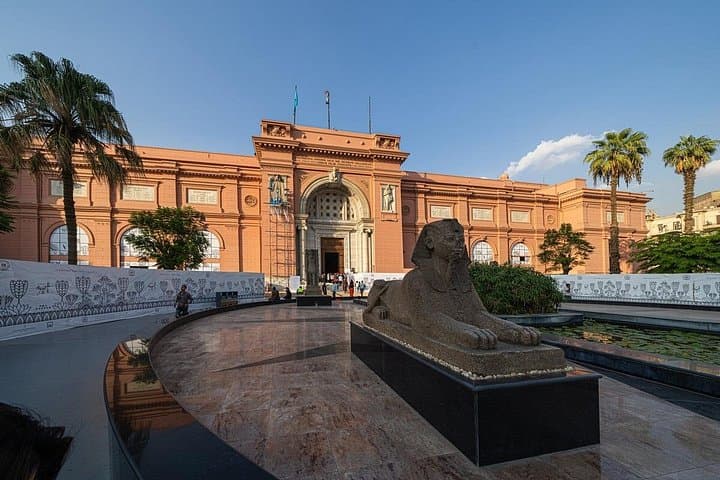
The next day puts the past center stage. The Egyptian Museum at Tahrir Square concentrates five millennia of history into passages and glass cases — from predynastic pottery to Tutankhamun’s gold. Cairo’s urban geology is simple: the Nile floodplain built the city’s living edge while limestone from nearby Mokattam supplied its monuments. Culture here is layered — Pharaonic, Coptic, Islamic, and modern civic life collide around markets, coffeehouses and plazas like El Tahrir, recently recharged by contemporary history.
Practical guidance: split the itinerary by energy — museum in the cooler morning, felucca or carriage in late afternoon. Expect cobbled museum floors and long display rooms; allow three hours for the Egyptian Museum if you want to see principal highlights. A felucca is low-impact but bring sun protection and light jackets for the river breeze. Downtown walking in the evening can be crowded; keep valuables secure and follow your guide’s route. Hydrate — Cairo’s air and walking add up quickly. Transfers are by private air-conditioned vehicle, and local guides handle tickets and photography spots, which keeps logistics simple so you can concentrate on the people, the stone, and the river that keeps the city moving.
Entrance fees depend on the tour options chosen; confirm at booking — guides typically handle ticket purchase during the tour.
The felucca segment is typically about 45–60 minutes of cruising along the Nile during this itinerary.
Yes — the tour is described as physically easy; however, it is not recommended for those with serious back, heart or pregnancy-related restrictions.
Yes — private pickup and transfers by air-conditioned vehicle from Cairo or Giza hotels are included.
Book My Egypt Tours operates guided outdoor trips and adventures with an emphasis on safety, stewardship, and memorable experiences.
You step out of an air-conditioned car into the late-afternoon hum of Cairo: the flat light of the Nile cutting a bright ribbon through the city, vendors calling from the Corniche, and the silhouette of the Cairo Tower puncturing the skyline. The first afternoon eases into a short felucca ride where the river takes the lead, wind filling the sail and the city slipping past like pages.
You step out of an air-conditioned car into the late-afternoon hum of Cairo: the flat light of the Nile cutting a bright ribbon through the city, vendors calling from the Corniche, and the silhouette of the Cairo Tower puncturing the skyline. The first afternoon eases into a short felucca ride where the river takes the lead, wind filling the sail and the city slipping past like pages.
The next day puts the past center stage. The Egyptian Museum at Tahrir Square concentrates five millennia of history into passages and glass cases — from predynastic pottery to Tutankhamun’s gold. Cairo’s urban geology is simple: the Nile floodplain built the city’s living edge while limestone from nearby Mokattam supplied its monuments. Culture here is layered — Pharaonic, Coptic, Islamic, and modern civic life collide around markets, coffeehouses and plazas like El Tahrir, recently recharged by contemporary history.
Practical guidance: split the itinerary by energy — museum in the cooler morning, felucca or carriage in late afternoon. Expect cobbled museum floors and long display rooms; allow three hours for the Egyptian Museum if you want to see principal highlights. A felucca is low-impact but bring sun protection and light jackets for the river breeze. Downtown walking in the evening can be crowded; keep valuables secure and follow your guide’s route. Hydrate — Cairo’s air and walking add up quickly. Transfers are by private air-conditioned vehicle, and local guides handle tickets and photography spots, which keeps logistics simple so you can concentrate on the people, the stone, and the river that keeps the city moving.