THE ADVENTURE COLLECTIVE® · Independent discovery and booking for outdoor travel

Turn a long layover into a six‑hour private expedition to the Giza Plateau. This guided tour includes airport pickup, entrance fees, and time to stand before the Great Pyramids and Sphinx.
Turn a long layover into a six‑hour private expedition to the Giza Plateau. This guided tour includes airport pickup, entrance fees, and time to stand before the Great Pyramids and Sphinx.
You step out of the airport into Cairo’s dry warmth and within an hour the plateau opens up: broad, sun-baked limestone rising from the desert, the pyramids—Khufu, Khafre, Menkaure—looming like engineered mountains, the Sphinx staring off toward the Nile.
Verified experiences and guided adventures in the surrounding area.
Operated by CRUISE ERA · Giza, Giza Governorate
You step out of the airport into Cairo’s dry warmth and within an hour the plateau opens up: broad, sun-baked limestone rising from the desert, the pyramids—Khufu, Khafre, Menkaure—looming like engineered mountains, the Sphinx staring off toward the Nile.
The Giza Plateau is more than a photo stop. These are 4,500-year-old funerary monuments from Egypt’s Old Kingdom, quarried and set with an accuracy that still raises questions. The pyramids are built of local limestone and were once sheathed in polished casing stones that reflected the sun; the Sphinx was carved from a single outcrop of bedrock and long served as a symbolic guardian of the necropolis.
Local life presses close: camel handlers offer short rides, street vendors sell koshari and sugar‑sweet tea, and the nearby town of Giza hums with markets and history. Geologically the plateau is a raised limestone platform sitting above the fertile Nile valley—wind and sand continue to abrade the stones, and conservation is a daily concern.
Practicalities: this private, six‑hour itinerary includes airport pickup, entrance fees, bottled water, and a guide, leaving roughly three hours on the plateau itself. Aim for morning hours to avoid heat and crowds; wear sturdy shoes for uneven, sandy footing, a hat and sunscreen, and bring your passport (tickets and security checks require ID). Photography is fine around the monuments but interior access—into the Great Pyramid or certain chambers—may require separate tickets and is sometimes limited. Allow time for tips and traffic when scheduling your return to the airport. With a quick, guided plan you can turn a layover into a full dose of ancient Egypt.
Allow at least 6 hours total from airport arrival to return: 1–1.5 hours for pickup/customs, 3 hours on site, plus 1–1.5 hours buffer for traffic and re‑entry procedures.
Yes—the standard tour includes entrance fees to the Giza Plateau; interior pyramid entry or special chamber access may require additional tickets and time.
Yes, camel rides are usually available on the plateau for an extra charge; agree on price and duration beforehand and be aware the terrain is sandy and uneven.
The tour lists wheelchair-accessible transportation, but the plateau itself has uneven surfaces and limited wheelchair access to some viewpoints—discuss specific needs with the operator when booking.
CRUISE ERA operates guided outdoor trips and adventures with an emphasis on safety, stewardship, and memorable experiences.
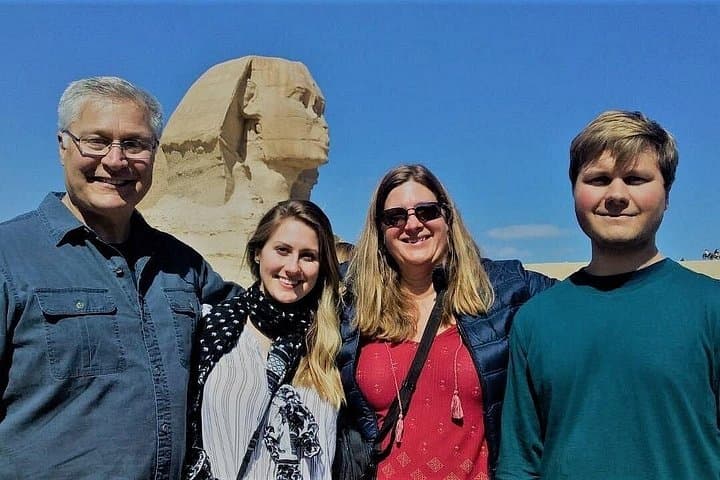

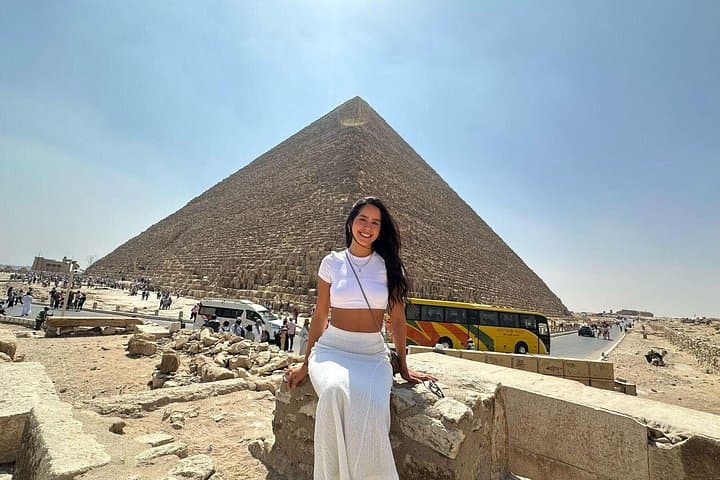
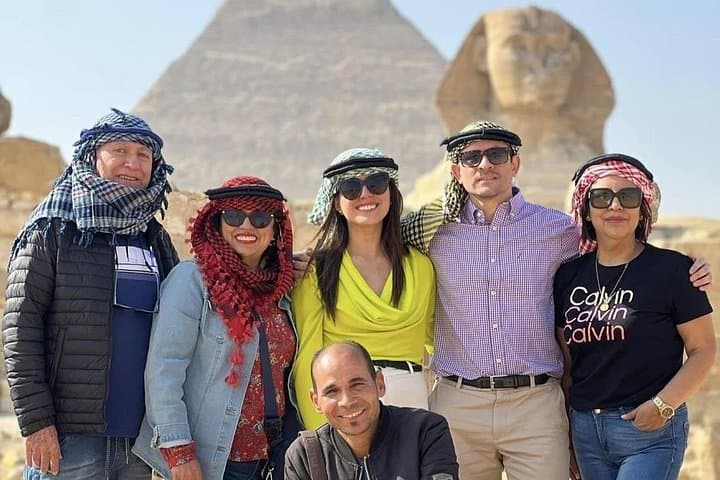
You step out of the airport into Cairo’s dry warmth and within an hour the plateau opens up: broad, sun-baked limestone rising from the desert, the pyramids—Khufu, Khafre, Menkaure—looming like engineered mountains, the Sphinx staring off toward the Nile.
You step out of the airport into Cairo’s dry warmth and within an hour the plateau opens up: broad, sun-baked limestone rising from the desert, the pyramids—Khufu, Khafre, Menkaure—looming like engineered mountains, the Sphinx staring off toward the Nile.
The Giza Plateau is more than a photo stop. These are 4,500-year-old funerary monuments from Egypt’s Old Kingdom, quarried and set with an accuracy that still raises questions. The pyramids are built of local limestone and were once sheathed in polished casing stones that reflected the sun; the Sphinx was carved from a single outcrop of bedrock and long served as a symbolic guardian of the necropolis.
Local life presses close: camel handlers offer short rides, street vendors sell koshari and sugar‑sweet tea, and the nearby town of Giza hums with markets and history. Geologically the plateau is a raised limestone platform sitting above the fertile Nile valley—wind and sand continue to abrade the stones, and conservation is a daily concern.
Practicalities: this private, six‑hour itinerary includes airport pickup, entrance fees, bottled water, and a guide, leaving roughly three hours on the plateau itself. Aim for morning hours to avoid heat and crowds; wear sturdy shoes for uneven, sandy footing, a hat and sunscreen, and bring your passport (tickets and security checks require ID). Photography is fine around the monuments but interior access—into the Great Pyramid or certain chambers—may require separate tickets and is sometimes limited. Allow time for tips and traffic when scheduling your return to the airport. With a quick, guided plan you can turn a layover into a full dose of ancient Egypt.