
Luxor in a Day: Private Guided Flight from Cairo to the Valley of the Kings
Fly from Cairo to Luxor for a concentrated day among pharaonic tombs, terraced temples and the sprawling Karnak complex. This private tour pairs a licensed Egyptologist with door-to-door transfers for a full cultural immersion in about 12–14 hours.
An Adventure In Cairo.
Fly from Cairo to Luxor for a concentrated day among pharaonic tombs, terraced temples and the sprawling Karnak complex. This private tour pairs a licensed Egyptologist with door-to-door transfers for a full cultural immersion in about 12–14 hours.
Read the full experience
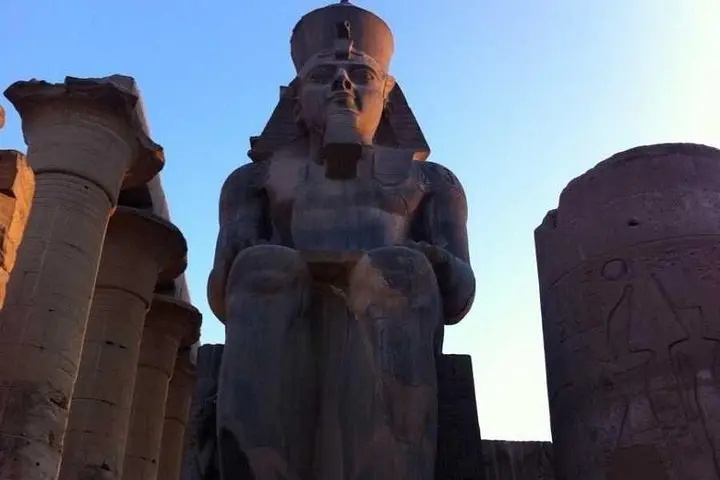
You lift off from Cairo before dawn and, within an hour, the Nile widens beneath you and sandy plains fold into the low limestone ridges that guard the Valley of the Kings. By midmorning a local Egyptologist is waiting at Luxor’s small airport; the day moves at a purposeful pace—tombs, terraces, colossi—each site revealing carved lines of dynastic ambition.
You lift off from Cairo before dawn and, within an hour, the Nile widens beneath you and sandy plains fold into the low limestone ridges that guard the Valley of the Kings. By midmorning a local Egyptologist is waiting at Luxor’s small airport; the day moves at a purposeful pace—tombs, terraces, colossi—each site revealing carved lines of dynastic ambition.
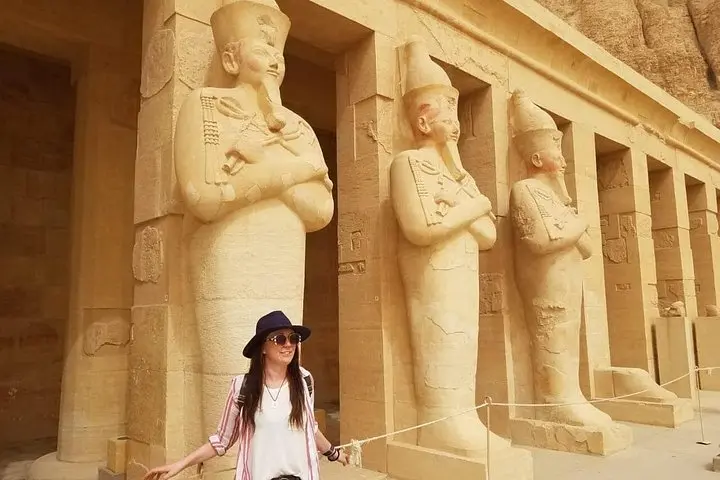
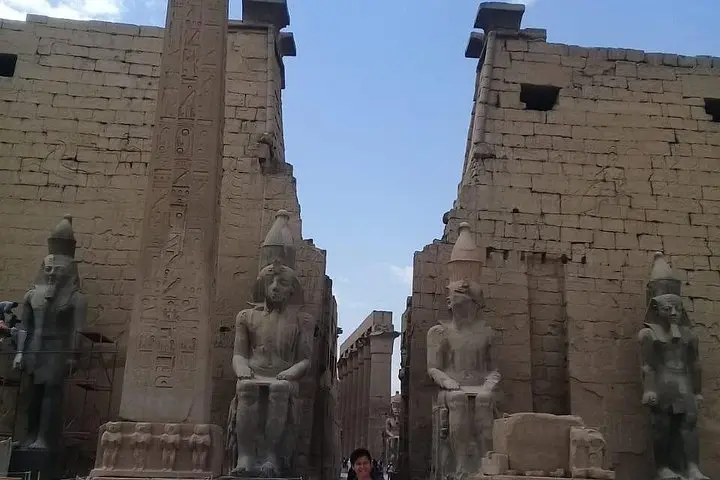
The Valley of the Kings sits between two pale hills of Gurna, a compact funerary landscape that houses some 63 registered tombs from Egypt’s New Kingdom. Nearby, Hatshepsut’s mortuary temple rises in stepped terraces cut into the cliff, an architectural statement by a rare female pharaoh who assumed royal regalia. Across the Nile, Karnak’s vast complex—home to the Hypostyle Hall with its forest of roughly 134 columns—speaks to the scale of Thebes, once Egypt’s political and religious heart.
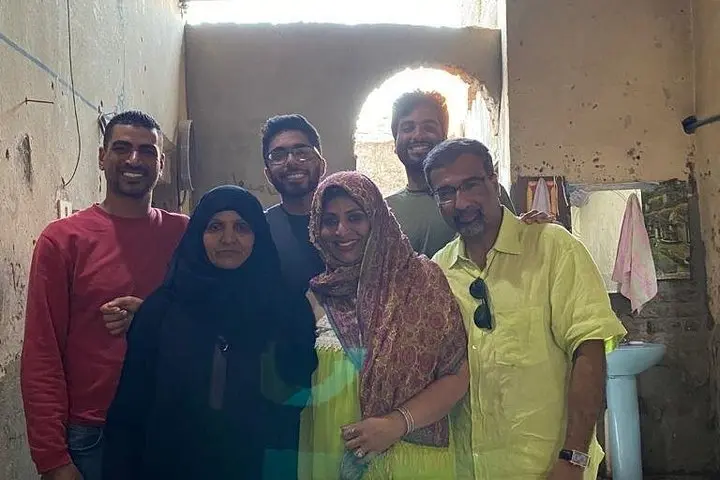
Culturally the day balances spectacle with quiet moments: a home-cooked Egyptian lunch on the East Bank and a glass of sugar-cane juice to punctuate the heat. Geologically, the sites are carved from local limestone and sandstone, which explains the sharp relief of tomb entrances and the need for careful walking.
Practical guidance: expect a 12–14 hour day with early hotel pickup (around 4:30–6:00 a.m.). Wear sturdy closed shoes for uneven steps and temple thresholds, sun protection, and modest clothing for sacred sites. Bring hydrated electrolytes and some small Egyptian pounds for tips and site vendors. Respect photography rules in tombs and follow your guide’s conservation requests—these monuments are fragile and deeply watched.
Frequently asked questions
Flight time is about one hour each way; expect additional time for airport checks and transfers.
This tour description indicates the sites are included as in the itinerary; confirm with the operator for any special tomb surcharges or optional entries.
Yes—this is labeled suitable for all fitness levels, though the day is long and involves walking and steps inside tombs and temples.
Photography rules vary by tomb; many prohibit flash to protect pigments—follow your guide and posted signs.
About This Experience
Here Egypt Tours operates guided outdoor trips and adventures with an emphasis on safety, stewardship, and memorable experiences.
Adventure tips
Recommended gear
- Sturdy closed-toe walking shoes: Uneven tomb steps and temple thresholds demand good traction and foot protection.
- Sun protection (hat, sunglasses, sunscreen): Desert sun is intense year-round; sun protection prevents heat exhaustion and sunburn.
- Reusable water bottle with filtration or electrolytes: Keeps you hydrated through long, hot site visits when bottled water may be limited.
- Passport and printed/phone ticket: Required for domestic flights and hotel transfers—keep originals accessible.
Photos of the experience
Related adventures & guides
Read the full experience
You lift off from Cairo before dawn and, within an hour, the Nile widens beneath you and sandy plains fold into the low limestone ridges that guard the Valley of the Kings. By midmorning a local Egyptologist is waiting at Luxor’s small airport; the day moves at a purposeful pace—tombs, terraces, colossi—each site revealing carved lines of dynastic ambition.
You lift off from Cairo before dawn and, within an hour, the Nile widens beneath you and sandy plains fold into the low limestone ridges that guard the Valley of the Kings. By midmorning a local Egyptologist is waiting at Luxor’s small airport; the day moves at a purposeful pace—tombs, terraces, colossi—each site revealing carved lines of dynastic ambition.
The Valley of the Kings sits between two pale hills of Gurna, a compact funerary landscape that houses some 63 registered tombs from Egypt’s New Kingdom. Nearby, Hatshepsut’s mortuary temple rises in stepped terraces cut into the cliff, an architectural statement by a rare female pharaoh who assumed royal regalia. Across the Nile, Karnak’s vast complex—home to the Hypostyle Hall with its forest of roughly 134 columns—speaks to the scale of Thebes, once Egypt’s political and religious heart.
Culturally the day balances spectacle with quiet moments: a home-cooked Egyptian lunch on the East Bank and a glass of sugar-cane juice to punctuate the heat. Geologically, the sites are carved from local limestone and sandstone, which explains the sharp relief of tomb entrances and the need for careful walking.
Practical guidance: expect a 12–14 hour day with early hotel pickup (around 4:30–6:00 a.m.). Wear sturdy closed shoes for uneven steps and temple thresholds, sun protection, and modest clothing for sacred sites. Bring hydrated electrolytes and some small Egyptian pounds for tips and site vendors. Respect photography rules in tombs and follow your guide’s conservation requests—these monuments are fragile and deeply watched.
Make a day of it nearby.
Verified experiences and guided adventures in the surrounding area.