THE ADVENTURE COLLECTIVE® · Independent discovery and booking for outdoor travel

Explore Cairo’s Islamic heart on a private day tour: Citadel viewpoints, Mamluk masterpieces, a hidden museum, bustling Khan El Khalili souq, and a calming felucca on the Nile. Practical tips and local context prepare you for a full day of walking, culture, and photography.
Explore Cairo’s Islamic heart on a private day tour: Citadel viewpoints, Mamluk masterpieces, a hidden museum, bustling Khan El Khalili souq, and a calming felucca on the Nile. Practical tips and local context prepare you for a full day of walking, culture, and photography.
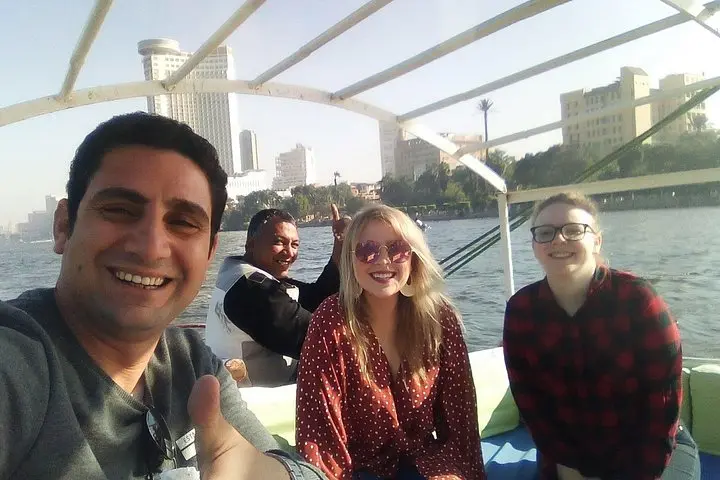
You step from an air‑conditioned vehicle into a wind that tastes faintly of river and spice — Cairo laid out beneath the Citadel’s ramparts, domes and minarets puncturing the skyline. The day moves from high vantage points to carved stone, from quiet museum rooms to the crowded alleys of Khan El Khalili, ending with the Nile’s slow current nudging a wooden felucca along its surface.
Verified experiences and guided adventures in the surrounding area.
Operated by Egypt Paradise Tours · Cairo, Cairo Governorate
You step from an air‑conditioned vehicle into a wind that tastes faintly of river and spice — Cairo laid out beneath the Citadel’s ramparts, domes and minarets puncturing the skyline. The day moves from high vantage points to carved stone, from quiet museum rooms to the crowded alleys of Khan El Khalili, ending with the Nile’s slow current nudging a wooden felucca along its surface.
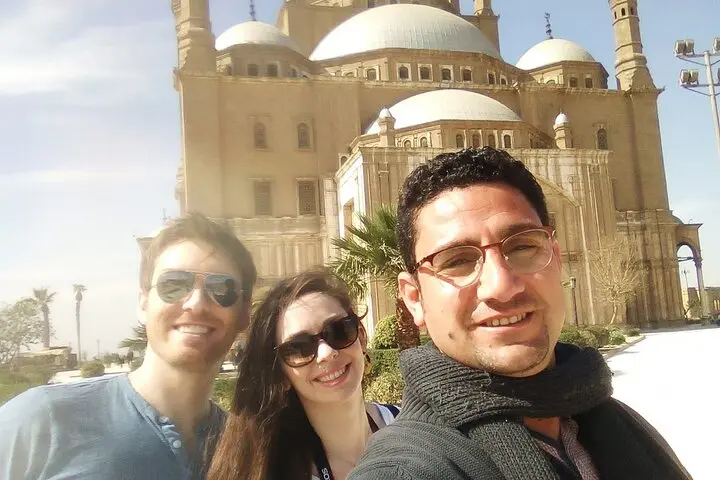
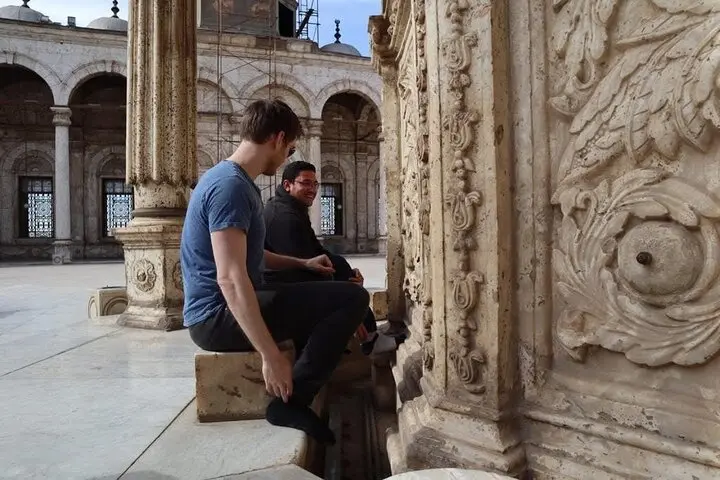
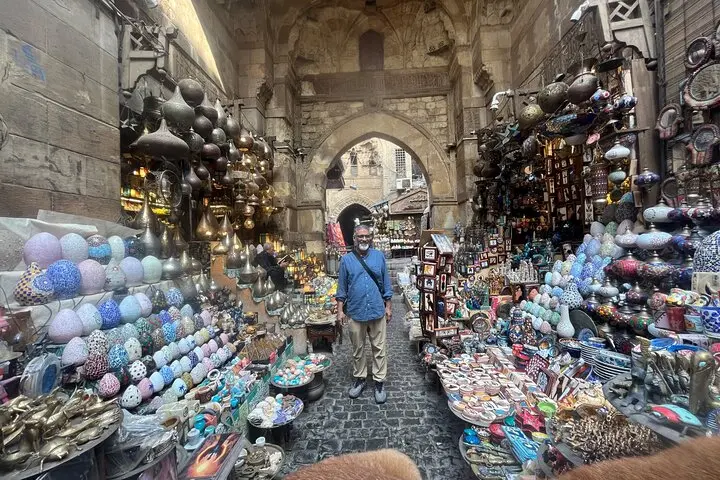
Begin at the Saladin Citadel, a 12th‑century military stronghold that now hosts the alabaster domes of Mohamed Ali Mosque and broad panoramas of Greater Cairo. The route threads into the Mamluk era at Sultan Hassan and Al‑Rifa’i Mosques, where monumental stonework and intricate mihrabs reveal politics and piety carved in ashlar. In contrast, the Gayer Anderson Museum offers intimate interiors and rooftop views over the venerable Ibn Tulun — a rare, quieter angle on Islamic Cairo. Khan El Khalili finishes the arc: merchants, copper plates, spice aromas and a living market culture where bargaining is part of the choreography.
Practical guidance: allow a full day (about 7–8 hours), wear comfortable shoes for uneven surfaces and stairs, carry water and sun protection, and bring a lightweight scarf for mosque entry. Plan visits outside midday in summer, and ask your guide about quiet routes through the souq to avoid peak crowds. The felucca at sunset is not just scenic — it’s a deliberate decompression after a city of movement, where the Nile seems to dare you to slow down and look across layers of history.
Yes — pre‑booked entry tickets for included monuments are provided as part of the tour.
Yes — the tour includes private pickup and drop‑off in an air‑conditioned vehicle from central Cairo hotels.
Strollers are accommodated in many areas but expect stairs and uneven surfaces; full wheelchair access is limited at some historic sites.
Yes — lunch and bottled water are included; dietary requests can be noted at booking.
Egypt Paradise Tours operates guided outdoor trips and adventures with an emphasis on safety, stewardship, and memorable experiences.
You step from an air‑conditioned vehicle into a wind that tastes faintly of river and spice — Cairo laid out beneath the Citadel’s ramparts, domes and minarets puncturing the skyline. The day moves from high vantage points to carved stone, from quiet museum rooms to the crowded alleys of Khan El Khalili, ending with the Nile’s slow current nudging a wooden felucca along its surface.
You step from an air‑conditioned vehicle into a wind that tastes faintly of river and spice — Cairo laid out beneath the Citadel’s ramparts, domes and minarets puncturing the skyline. The day moves from high vantage points to carved stone, from quiet museum rooms to the crowded alleys of Khan El Khalili, ending with the Nile’s slow current nudging a wooden felucca along its surface.
Begin at the Saladin Citadel, a 12th‑century military stronghold that now hosts the alabaster domes of Mohamed Ali Mosque and broad panoramas of Greater Cairo. The route threads into the Mamluk era at Sultan Hassan and Al‑Rifa’i Mosques, where monumental stonework and intricate mihrabs reveal politics and piety carved in ashlar. In contrast, the Gayer Anderson Museum offers intimate interiors and rooftop views over the venerable Ibn Tulun — a rare, quieter angle on Islamic Cairo. Khan El Khalili finishes the arc: merchants, copper plates, spice aromas and a living market culture where bargaining is part of the choreography.
Practical guidance: allow a full day (about 7–8 hours), wear comfortable shoes for uneven surfaces and stairs, carry water and sun protection, and bring a lightweight scarf for mosque entry. Plan visits outside midday in summer, and ask your guide about quiet routes through the souq to avoid peak crowds. The felucca at sunset is not just scenic — it’s a deliberate decompression after a city of movement, where the Nile seems to dare you to slow down and look across layers of history.