THE ADVENTURE COLLECTIVE® · Independent discovery and booking for outdoor travel

Explore Egypt’s earliest monumental architecture on a private 7–8 hour spiritual day tour that visits Saqqara’s Step Pyramid, Dahshur’s Bent and Red Pyramids, and the ancient capital of Memphis. Start early, dress for sun and sand, and expect a mix of archaeology and reflective stops led by an Egyptologist.
Explore Egypt’s earliest monumental architecture on a private 7–8 hour spiritual day tour that visits Saqqara’s Step Pyramid, Dahshur’s Bent and Red Pyramids, and the ancient capital of Memphis. Start early, dress for sun and sand, and expect a mix of archaeology and reflective stops led by an Egyptologist.
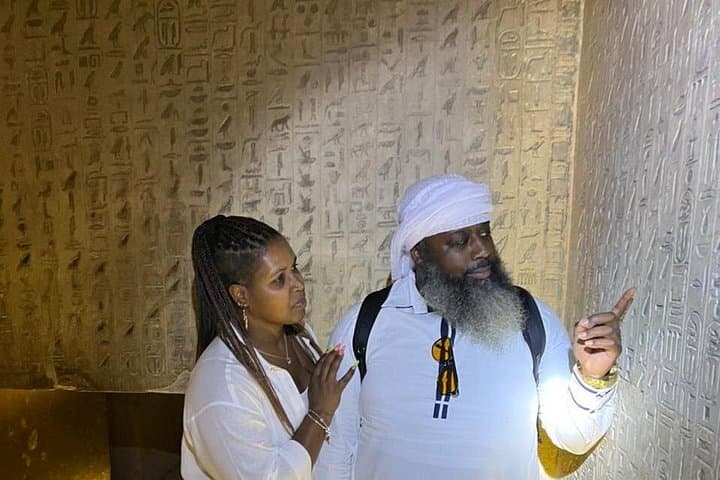
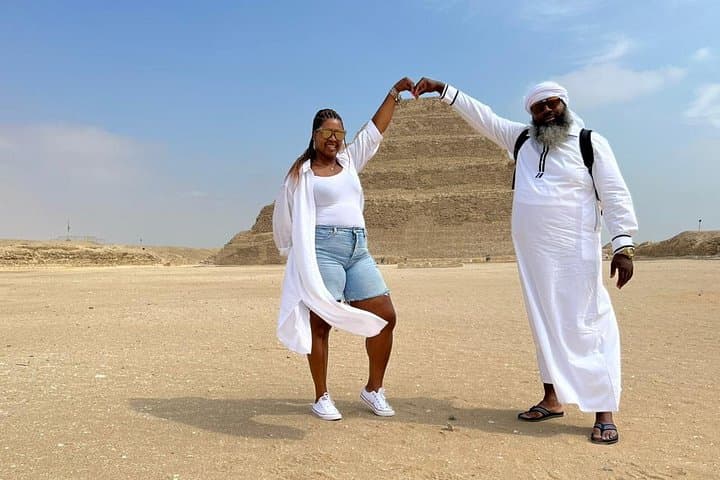
You step out of the air‑conditioned car onto wind‑polished limestone and the desert wind dares you to slow down. In the low light of morning the Step Pyramid at Saqqara rises in stepped shadows, its blocks still holding the smell of ancient mortar and the slow patience of millennia. The guide — an Egyptologist — traces lines on a weathered relief while nearby the plateau stretches south toward Dahshur's odd silhouettes.
Verified experiences and guided adventures in the surrounding area.
Operated by Egypt Travel Square · Cairo, Cairo Governorate
You step out of the air‑conditioned car onto wind‑polished limestone and the desert wind dares you to slow down. In the low light of morning the Step Pyramid at Saqqara rises in stepped shadows, its blocks still holding the smell of ancient mortar and the slow patience of millennia. The guide — an Egyptologist — traces lines on a weathered relief while nearby the plateau stretches south toward Dahshur's odd silhouettes.
Saqqara marks the birth of pyramid building: Djoser’s Step Pyramid is the earliest large-scale stone structure in Egypt. A few kilometres away, Dahshur shows the hard lessons of early engineering — the Bent Pyramid answers for a correction in angle, the Red Pyramid for its successful follow‑through. Memphis, once the capital founded around 3100 BCE, leaves behind colossal statuary and a quieter history of administration and ritual.
Geologically the area is local limestone and marl laid down in ancient seabeds; erosion and quarrying have exposed the ragged layers to dramatic effect. Culturally, these sites remain active places — modern Egyptians maintain, pray, and study here, while guides often offer reflective or meditative moments for visitors who want them.
Practical guidance: plan a 7–8 hour day, start early to avoid the midday heat, bring sun protection and a full water bottle (some tours provide bottled water and lunch). Wear sturdy walking shoes for uneven stone and compacted sand; many areas are accessible but expect steps and ramps. Confirm entrance fees and any special access with your operator, and treat the monuments gently: no climbing, no touching fragile reliefs.
Many operators do not include site entrance fees by default; confirm at booking — this tour’s itinerary notes admissions as not included in some listings.
The tour is described as suitable for all fitness levels and wheelchair accessible in some areas, but access varies by exact location — notify the operator of mobility needs before booking.
The tour title lists lunch; confirm dietary options and pick‑up timing with the operator when you book to ensure special requests are met.
Some guides incorporate reflective or meditative elements on request; these are optional and tailored to guest interest rather than mandatory rituals.
Egypt Travel Square operates guided outdoor trips and adventures with an emphasis on safety, stewardship, and memorable experiences.


You step out of the air‑conditioned car onto wind‑polished limestone and the desert wind dares you to slow down. In the low light of morning the Step Pyramid at Saqqara rises in stepped shadows, its blocks still holding the smell of ancient mortar and the slow patience of millennia. The guide — an Egyptologist — traces lines on a weathered relief while nearby the plateau stretches south toward Dahshur's odd silhouettes.
You step out of the air‑conditioned car onto wind‑polished limestone and the desert wind dares you to slow down. In the low light of morning the Step Pyramid at Saqqara rises in stepped shadows, its blocks still holding the smell of ancient mortar and the slow patience of millennia. The guide — an Egyptologist — traces lines on a weathered relief while nearby the plateau stretches south toward Dahshur's odd silhouettes.
Saqqara marks the birth of pyramid building: Djoser’s Step Pyramid is the earliest large-scale stone structure in Egypt. A few kilometres away, Dahshur shows the hard lessons of early engineering — the Bent Pyramid answers for a correction in angle, the Red Pyramid for its successful follow‑through. Memphis, once the capital founded around 3100 BCE, leaves behind colossal statuary and a quieter history of administration and ritual.
Geologically the area is local limestone and marl laid down in ancient seabeds; erosion and quarrying have exposed the ragged layers to dramatic effect. Culturally, these sites remain active places — modern Egyptians maintain, pray, and study here, while guides often offer reflective or meditative moments for visitors who want them.
Practical guidance: plan a 7–8 hour day, start early to avoid the midday heat, bring sun protection and a full water bottle (some tours provide bottled water and lunch). Wear sturdy walking shoes for uneven stone and compacted sand; many areas are accessible but expect steps and ramps. Confirm entrance fees and any special access with your operator, and treat the monuments gently: no climbing, no touching fragile reliefs.