THE ADVENTURE COLLECTIVE® · Independent discovery and booking for outdoor travel

Taste Cairo the way locals do: shawarma from a spit, koshari from a steaming pot, and sweetened tea poured nervously from a tiny pot. This guided walking tour pairs history and flavor for a compact, authentic introduction to Egyptian street food.
Taste Cairo the way locals do: shawarma from a spit, koshari from a steaming pot, and sweetened tea poured nervously from a tiny pot. This guided walking tour pairs history and flavor for a compact, authentic introduction to Egyptian street food.
The call to prayer fades and a street vendor slides a sizzling shawarma cone onto a spit; steam rises, spices hiss, and Cairo’s layered neighborhoods breathe around you. This guided food walk threads through downtown lanes and riverfront blocks near the Nile, delivering quick, punchy bites — falafel discs crisp to order, heaped koshari bowls, and small glasses of minty tea that cut through frying oil.
Verified experiences and guided adventures in the surrounding area.
Operated by Egypt Tours World · Cairo, Cairo Governorate
The call to prayer fades and a street vendor slides a sizzling shawarma cone onto a spit; steam rises, spices hiss, and Cairo’s layered neighborhoods breathe around you. This guided food walk threads through downtown lanes and riverfront blocks near the Nile, delivering quick, punchy bites — falafel discs crisp to order, heaped koshari bowls, and small glasses of minty tea that cut through frying oil.
Cairo’s food culture is a living archive: recipes traveled from the Levant and Sudan, adapted to the city’s grains and pulses. Geology and the Nile shaped agriculture here — the river’s floodplain made lentils and rice staples — while centuries of markets (souqs) created the rhythm of daily street stalls. Your guide will point out neighborhoods with Ottoman- and Khedival-era buildings and explain how coffeehouses became centers for conversation and political life.
Expect conversational stops at three to five tasting stalls over a 3–5 hour window with private pickup and an English-speaking guide. Portions are generous but meant for sampling; trade bites for explanation and ask where locals eat late at night. Practicalities matter: carry water, wear closed-toe shoes for uneven pavements, and keep small bills for quick purchases and tipping.
Timing is flexible — evenings are cooler and livelier, mid-afternoon offers quieter market access. The tour is wheelchair-accessible in parts, but cobbles and crowds can limit movement. Engage with vendors respectfully, take photos when invited, and leave biodegradable waste with your guide’s help so the city keeps feeding future visitors.
Some stops can accommodate vegetarian requests (e.g., koshari, falafel); notify the operator when booking for allergies or strict dietary needs.
Portions are sample-sized but filling across 3–5 hours — plan to skip a heavy meal beforehand if you want to try everything.
The tour lists stroller access and is family-friendly, but cobbled areas and crowds may make some sections awkward for prams.
English-speaking guides are standard on this listing; check availability for other languages at booking.
Egypt Tours World operates guided outdoor trips and adventures with an emphasis on safety, stewardship, and memorable experiences.
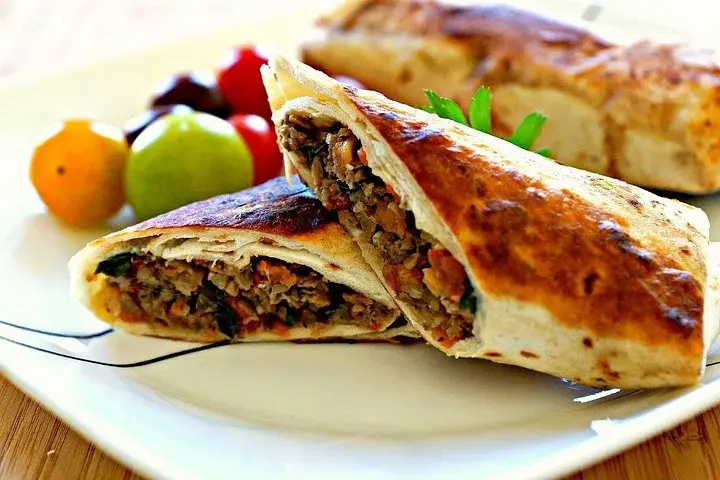
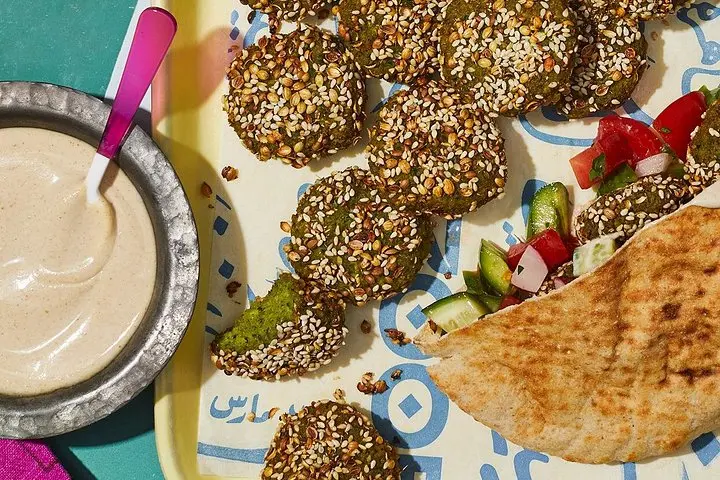
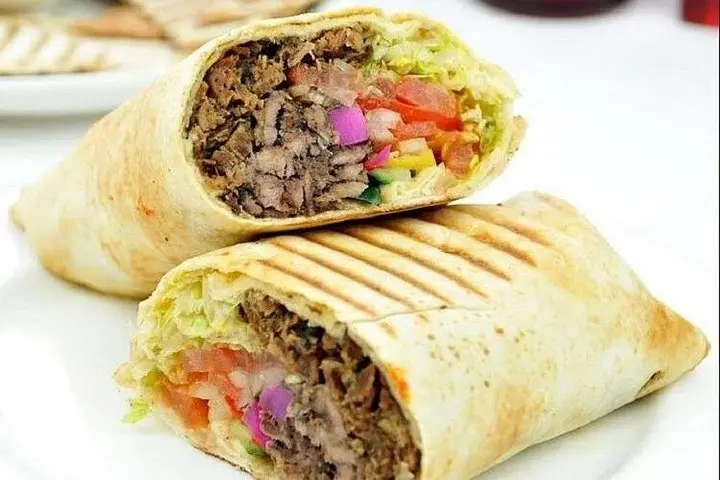

The call to prayer fades and a street vendor slides a sizzling shawarma cone onto a spit; steam rises, spices hiss, and Cairo’s layered neighborhoods breathe around you. This guided food walk threads through downtown lanes and riverfront blocks near the Nile, delivering quick, punchy bites — falafel discs crisp to order, heaped koshari bowls, and small glasses of minty tea that cut through frying oil.
The call to prayer fades and a street vendor slides a sizzling shawarma cone onto a spit; steam rises, spices hiss, and Cairo’s layered neighborhoods breathe around you. This guided food walk threads through downtown lanes and riverfront blocks near the Nile, delivering quick, punchy bites — falafel discs crisp to order, heaped koshari bowls, and small glasses of minty tea that cut through frying oil.
Cairo’s food culture is a living archive: recipes traveled from the Levant and Sudan, adapted to the city’s grains and pulses. Geology and the Nile shaped agriculture here — the river’s floodplain made lentils and rice staples — while centuries of markets (souqs) created the rhythm of daily street stalls. Your guide will point out neighborhoods with Ottoman- and Khedival-era buildings and explain how coffeehouses became centers for conversation and political life.
Expect conversational stops at three to five tasting stalls over a 3–5 hour window with private pickup and an English-speaking guide. Portions are generous but meant for sampling; trade bites for explanation and ask where locals eat late at night. Practicalities matter: carry water, wear closed-toe shoes for uneven pavements, and keep small bills for quick purchases and tipping.
Timing is flexible — evenings are cooler and livelier, mid-afternoon offers quieter market access. The tour is wheelchair-accessible in parts, but cobbles and crowds can limit movement. Engage with vendors respectfully, take photos when invited, and leave biodegradable waste with your guide’s help so the city keeps feeding future visitors.