THE ADVENTURE COLLECTIVE® · Independent discovery and booking for outdoor travel

Ride a camel or horse as the sun slips behind the Great Pyramids. This 4–5 hour private tour pairs dramatic sunset light with local guide insights and hotel pickup.
Ride a camel or horse as the sun slips behind the Great Pyramids. This 4–5 hour private tour pairs dramatic sunset light with local guide insights and hotel pickup.
The sun drops low over the Giza Plateau and the pyramids shrink into hard, golden silhouettes — you sit in the sway of a camel or feel the steady trot of a horse as the desert exhales around you. Sand shifts underfoot and the three great pyramids — Khufu, Khafre and Menkaure — keep their slow watch, enormous and indifferent, while a local guide points out lines and shadows that reveal construction angles and quarry stone.
Verified experiences and guided adventures in the surrounding area.
Operated by Three Pyramids Tours · Giza, Giza Governorate
The sun drops low over the Giza Plateau and the pyramids shrink into hard, golden silhouettes — you sit in the sway of a camel or feel the steady trot of a horse as the desert exhales around you. Sand shifts underfoot and the three great pyramids — Khufu, Khafre and Menkaure — keep their slow watch, enormous and indifferent, while a local guide points out lines and shadows that reveal construction angles and quarry stone.
This ride threads together living culture and four-and-a-half millennia of history: the pyramids date to Egypt’s Old Kingdom (around 2560 BCE) and once dominated a landscape of limestone quarries and bedrock scarps. The plateau’s geology is primarily Eocene limestone that gives the monuments their pale, reflective faces at sunset. Local Bedouin families have long worked the edge of the site, offering camels, conversation and evening hospitality.
Practically: tours are typically 4–5 hours with hotel pickup in an air-conditioned vehicle and snacks included. Camel saddles are high and the mount is deliberate — not strenuous, but not recommended for people with spinal injuries. Bring sun protection, closed-toe shoes for rocky approaches, and a light layer for cooling winds after sunset. Photography is excellent but obey on-site signage and archaeological boundaries; don’t climb on monuments.
Timing matters — late afternoon light softens the stone and reduces daytime heat, while private guides at dusk deliver the most cinematic views. Respect local customs, tip your guide, and leave only footprints on the desert edge.
Yes; most bookings include private hotel pickup in an air-conditioned vehicle—confirm your pickup point when you book.
Helmets are not typically provided; guides assist mounting and dismounting and the ride is controlled, but helmets are uncommon.
Children can join depending on age and size; handlers often provide safer seating arrangements—declare ages when booking.
Full refunds are generally available if you cancel at least 24 hours before departure—check your booking confirmation for specifics.
Three Pyramids Tours operates guided outdoor trips and adventures with an emphasis on safety, stewardship, and memorable experiences.
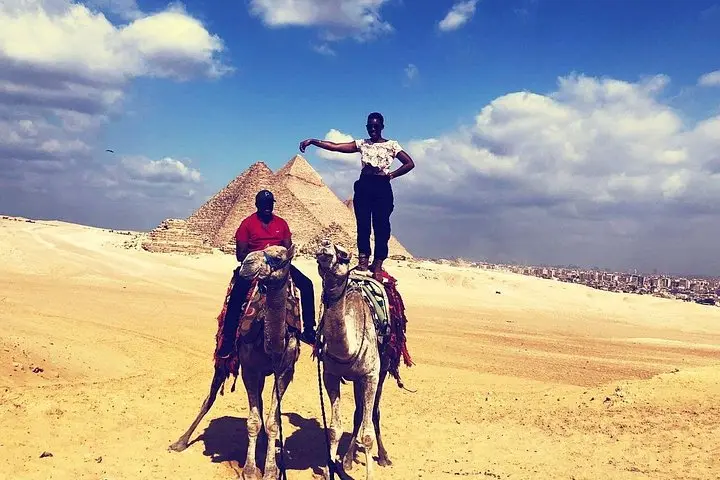
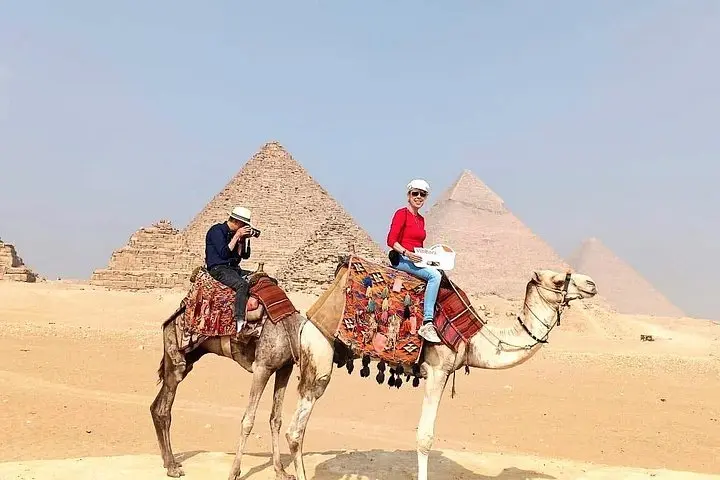
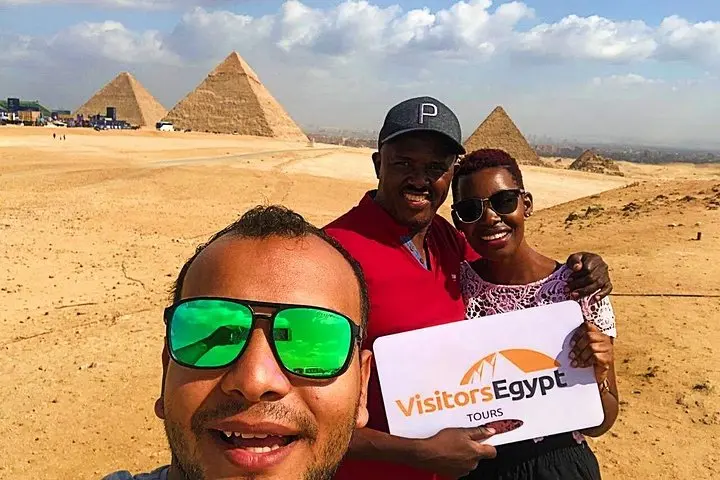
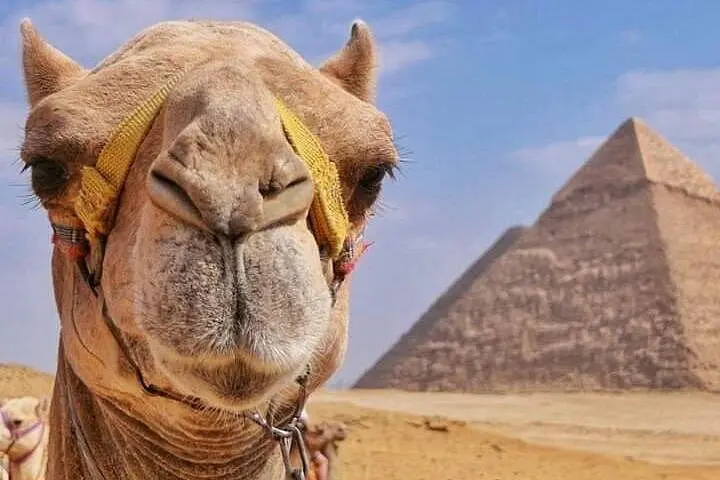
The sun drops low over the Giza Plateau and the pyramids shrink into hard, golden silhouettes — you sit in the sway of a camel or feel the steady trot of a horse as the desert exhales around you. Sand shifts underfoot and the three great pyramids — Khufu, Khafre and Menkaure — keep their slow watch, enormous and indifferent, while a local guide points out lines and shadows that reveal construction angles and quarry stone.
The sun drops low over the Giza Plateau and the pyramids shrink into hard, golden silhouettes — you sit in the sway of a camel or feel the steady trot of a horse as the desert exhales around you. Sand shifts underfoot and the three great pyramids — Khufu, Khafre and Menkaure — keep their slow watch, enormous and indifferent, while a local guide points out lines and shadows that reveal construction angles and quarry stone.
This ride threads together living culture and four-and-a-half millennia of history: the pyramids date to Egypt’s Old Kingdom (around 2560 BCE) and once dominated a landscape of limestone quarries and bedrock scarps. The plateau’s geology is primarily Eocene limestone that gives the monuments their pale, reflective faces at sunset. Local Bedouin families have long worked the edge of the site, offering camels, conversation and evening hospitality.
Practically: tours are typically 4–5 hours with hotel pickup in an air-conditioned vehicle and snacks included. Camel saddles are high and the mount is deliberate — not strenuous, but not recommended for people with spinal injuries. Bring sun protection, closed-toe shoes for rocky approaches, and a light layer for cooling winds after sunset. Photography is excellent but obey on-site signage and archaeological boundaries; don’t climb on monuments.
Timing matters — late afternoon light softens the stone and reduces daytime heat, while private guides at dusk deliver the most cinematic views. Respect local customs, tip your guide, and leave only footprints on the desert edge.