THE ADVENTURE COLLECTIVE® · Independent discovery and booking for outdoor travel

Board an overnight first‑class train in Cairo and follow the Nile to Aswan and Luxor, punctuated by a hot air balloon flight and a dawn visit to Abu Simbel. This five‑day loop pairs efficient travel with deep dives into Egypt’s most iconic ancient sites.
Board an overnight first‑class train in Cairo and follow the Nile to Aswan and Luxor, punctuated by a hot air balloon flight and a dawn visit to Abu Simbel. This five‑day loop pairs efficient travel with deep dives into Egypt’s most iconic ancient sites.
Dawn on the platform in Cairo feels like the first page of a travel journal: diesel hum, vendors fading, and the train’s headlights cutting a ribbon across the desert. Over five days this itinerary moves you down the Nile corridor—Aswan’s granite edges, Luxor’s broad temple plazas, and the desert that gives Abu Simbel its monumental silence.
Verified experiences and guided adventures in the surrounding area.
Operated by Special trips · Cairo, Cairo Governorate
Dawn on the platform in Cairo feels like the first page of a travel journal: diesel hum, vendors fading, and the train’s headlights cutting a ribbon across the desert. Over five days this itinerary moves you down the Nile corridor—Aswan’s granite edges, Luxor’s broad temple plazas, and the desert that gives Abu Simbel its monumental silence.
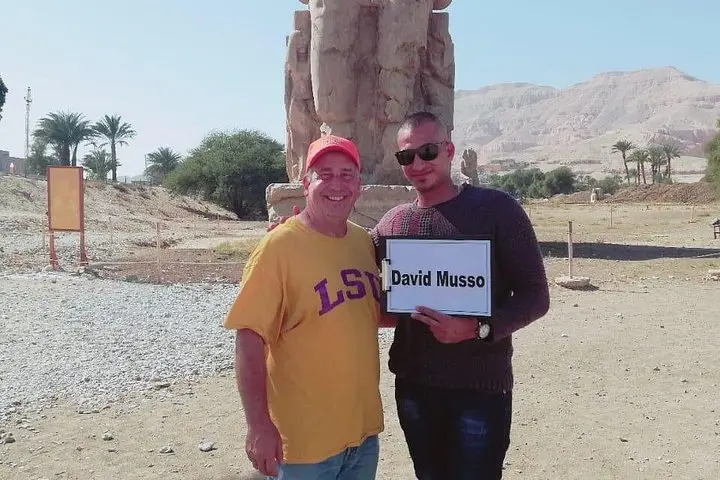
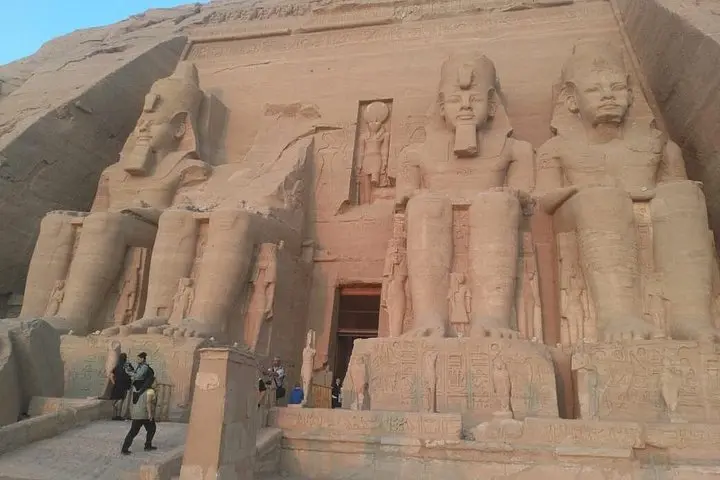
The route strings together millennia. Luxor lays open the New Kingdom’s elite tombs—Valley of the Kings and Hatshepsut’s mortuary complex—while Aswan reflects Nubian culture and 20th‑century engineering at the High Dam. Abu Simbel, carved in the 13th century BCE under Ramses II and relocated to save it from Lake Nasser, is a raw reminder of ancient state power set against modern hydrology.
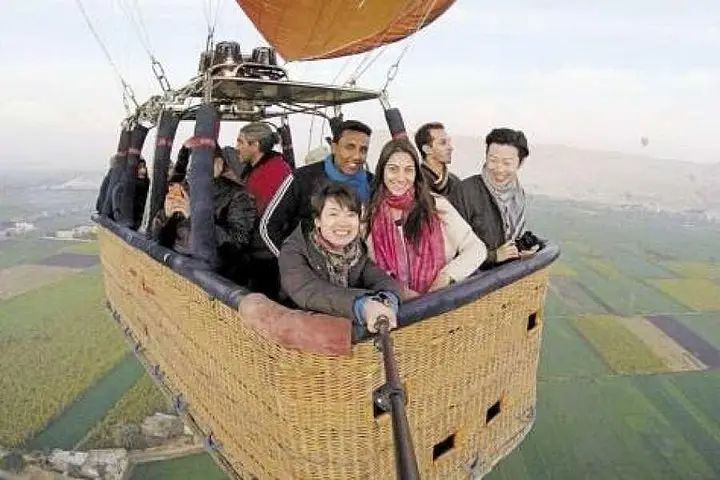
Expect early starts: Abu Simbel often begins before sunrise; the hot air balloon lifts at first light over Luxor’s west bank, offering a flat, color‑washed view of the Nile and clustered palms. The pace alternates gentle walks through temple colonnades with short transfers by first‑class sleeper train and boat hops to Philae Island. Complementary felucca and camel rides introduce local rhythms without demanding fitness.
Practical side: bring sun protection and a small daypack, allow time for security and ticketing at major sites, and budget for museum entry if you want extra context. Respect photography rules inside tombs and follow your Egyptology guide’s directions—these sites are fragile and inspections can be strict. With measured planning this loop delivers concentrated history, dramatic light, and efficient travel between Egypt’s most iconic southern monuments.
Most travelers require a visa — check your nationality’s requirements and arrange it before travel or on arrival if eligible.
Operators use experienced pilots and safety briefings; rides can be canceled due to wind—book early and be flexible.
Physically it's low impact: expect short walks, stairs at temples, and mostly seated transfers by train and vehicle.
Yes — early starts and balloon flights are weather‑dependent; the operator may adjust order of sites for timing and safety.
Special trips operates guided outdoor trips and adventures with an emphasis on safety, stewardship, and memorable experiences.
Dawn on the platform in Cairo feels like the first page of a travel journal: diesel hum, vendors fading, and the train’s headlights cutting a ribbon across the desert. Over five days this itinerary moves you down the Nile corridor—Aswan’s granite edges, Luxor’s broad temple plazas, and the desert that gives Abu Simbel its monumental silence.
Dawn on the platform in Cairo feels like the first page of a travel journal: diesel hum, vendors fading, and the train’s headlights cutting a ribbon across the desert. Over five days this itinerary moves you down the Nile corridor—Aswan’s granite edges, Luxor’s broad temple plazas, and the desert that gives Abu Simbel its monumental silence.
The route strings together millennia. Luxor lays open the New Kingdom’s elite tombs—Valley of the Kings and Hatshepsut’s mortuary complex—while Aswan reflects Nubian culture and 20th‑century engineering at the High Dam. Abu Simbel, carved in the 13th century BCE under Ramses II and relocated to save it from Lake Nasser, is a raw reminder of ancient state power set against modern hydrology.
Expect early starts: Abu Simbel often begins before sunrise; the hot air balloon lifts at first light over Luxor’s west bank, offering a flat, color‑washed view of the Nile and clustered palms. The pace alternates gentle walks through temple colonnades with short transfers by first‑class sleeper train and boat hops to Philae Island. Complementary felucca and camel rides introduce local rhythms without demanding fitness.
Practical side: bring sun protection and a small daypack, allow time for security and ticketing at major sites, and budget for museum entry if you want extra context. Respect photography rules inside tombs and follow your Egyptology guide’s directions—these sites are fragile and inspections can be strict. With measured planning this loop delivers concentrated history, dramatic light, and efficient travel between Egypt’s most iconic southern monuments.