THE ADVENTURE COLLECTIVE® · Independent discovery and booking for outdoor travel

A single, long day that links Cairo and Abu Simbel via a quick Aswan connection — see Ramesses II’s colossal façade, interior sanctums, and the modern rescue that saved them from Lake Nasser. Prepare for an early start, long transfers, and intense sun.
A single, long day that links Cairo and Abu Simbel via a quick Aswan connection — see Ramesses II’s colossal façade, interior sanctums, and the modern rescue that saved them from Lake Nasser. Prepare for an early start, long transfers, and intense sun.
Before dawn you travel as the desert cools and the Nile’s pull slips behind the highway, arriving at Aswan to connect with a road that runs south toward the rising mass of sandstone that houses Abu Simbel. The temple façade appears like a carved cliff face stepping out of the desert, four colossal Ramesses II statues fixing the horizon and the hard light of upper Egypt daring you to draw closer.
Verified experiences and guided adventures in the surrounding area.
Operated by EMO TOURS EGYPT · Abu Simbel, Aswan
Before dawn you travel as the desert cools and the Nile’s pull slips behind the highway, arriving at Aswan to connect with a road that runs south toward the rising mass of sandstone that houses Abu Simbel. The temple façade appears like a carved cliff face stepping out of the desert, four colossal Ramesses II statues fixing the horizon and the hard light of upper Egypt daring you to draw closer.
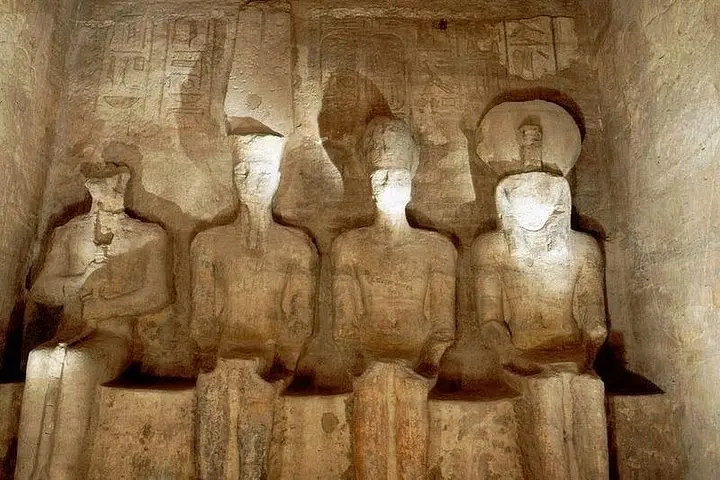
Carved in the 13th century BC and relocated in the 1960s to save it from Lake Nasser, Abu Simbel is both an archaeological feat and modern conservation story. The twin temples — the Great Temple of Ramesses II and the smaller temple of Nefertari — reveal New Kingdom stonework, solar-aligned chambers, and reliefs that read like political theater in rock. Geologically, the site sits on Nubian sandstone shaped by wind and ancient river action; culturally it marks Egyptian power projected into Nubia.
Expect guided interior visits that focus on architecture and the solar axis, plus lakeside viewpoints where the temple’s profile meets the water. The day is long — early pickup, domestic flights to Aswan, a three-hour road push south, and return — so plan for a sustained travel rhythm.
Practical guidance: bring strong sun protection, a fast-moving camera, comfortable low-profile walking shoes, and your passport copy. Hydrate before and after temple visits and budget time for security checks and transfers. This trip delivers one of Egypt’s most dramatic monuments in a single, concentrated day.
Yes — the tour includes round-trip flights between Cairo and Aswan as listed in the inclusions.
Yes — a passport copy is required during booking and you must bring your passport for travel and security checks.
Entry fees are listed among the tour inclusions, so ticket charges for Abu Simbel are covered by the tour.
This tour is not recommended for travelers with serious spinal issues, poor cardiovascular health, or pregnancy due to the long day and transfer demands.
EMO TOURS EGYPT operates guided outdoor trips and adventures with an emphasis on safety, stewardship, and memorable experiences.
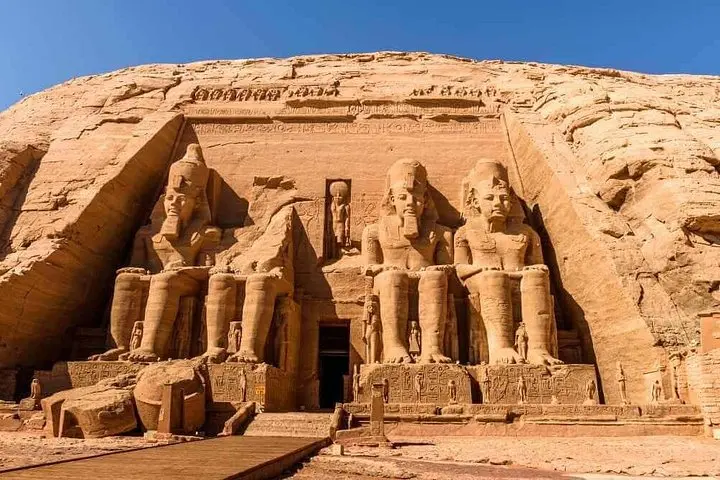
Before dawn you travel as the desert cools and the Nile’s pull slips behind the highway, arriving at Aswan to connect with a road that runs south toward the rising mass of sandstone that houses Abu Simbel. The temple façade appears like a carved cliff face stepping out of the desert, four colossal Ramesses II statues fixing the horizon and the hard light of upper Egypt daring you to draw closer.
Before dawn you travel as the desert cools and the Nile’s pull slips behind the highway, arriving at Aswan to connect with a road that runs south toward the rising mass of sandstone that houses Abu Simbel. The temple façade appears like a carved cliff face stepping out of the desert, four colossal Ramesses II statues fixing the horizon and the hard light of upper Egypt daring you to draw closer.
Carved in the 13th century BC and relocated in the 1960s to save it from Lake Nasser, Abu Simbel is both an archaeological feat and modern conservation story. The twin temples — the Great Temple of Ramesses II and the smaller temple of Nefertari — reveal New Kingdom stonework, solar-aligned chambers, and reliefs that read like political theater in rock. Geologically, the site sits on Nubian sandstone shaped by wind and ancient river action; culturally it marks Egyptian power projected into Nubia.
Expect guided interior visits that focus on architecture and the solar axis, plus lakeside viewpoints where the temple’s profile meets the water. The day is long — early pickup, domestic flights to Aswan, a three-hour road push south, and return — so plan for a sustained travel rhythm.
Practical guidance: bring strong sun protection, a fast-moving camera, comfortable low-profile walking shoes, and your passport copy. Hydrate before and after temple visits and budget time for security checks and transfers. This trip delivers one of Egypt’s most dramatic monuments in a single, concentrated day.