THE ADVENTURE COLLECTIVE® · Independent discovery and booking for outdoor travel

A compact four-day itinerary linking Cairo’s pyramids and museums with Luxor’s temples and royal tombs. Perfect for travelers who want a guided, logistics-light immersion in pharaonic Egypt.
A compact four-day itinerary linking Cairo’s pyramids and museums with Luxor’s temples and royal tombs. Perfect for travelers who want a guided, logistics-light immersion in pharaonic Egypt.
You step out of Cairo Airport into a warm, dust-tinged air that smells faintly of spices and petrol; the city hums and a private driver shepherds you straight to a five-star hotel for a night on the Nile. By morning the Giza plateau rises like a folded geography lesson—limestone faces catching light—while the Sphinx watches traffic and time with an unblinking patience.
Verified experiences and guided adventures in the surrounding area.
Operated by Get Egypt Vacation · Cairo, Cairo Governorate
You step out of Cairo Airport into a warm, dust-tinged air that smells faintly of spices and petrol; the city hums and a private driver shepherds you straight to a five-star hotel for a night on the Nile. By morning the Giza plateau rises like a folded geography lesson—limestone faces catching light—while the Sphinx watches traffic and time with an unblinking patience.
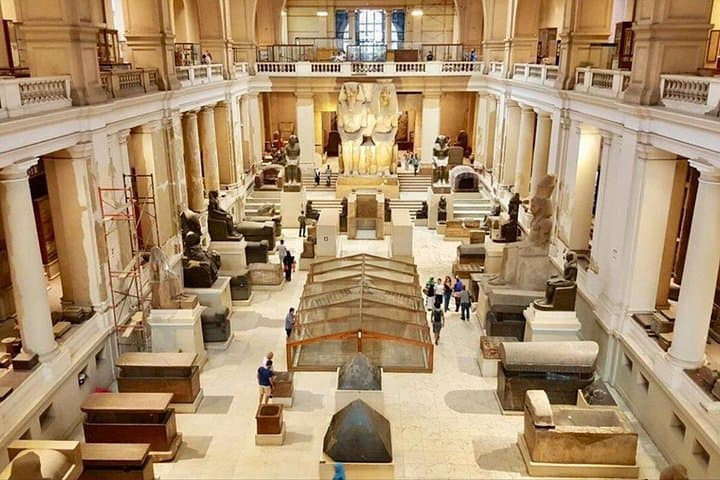
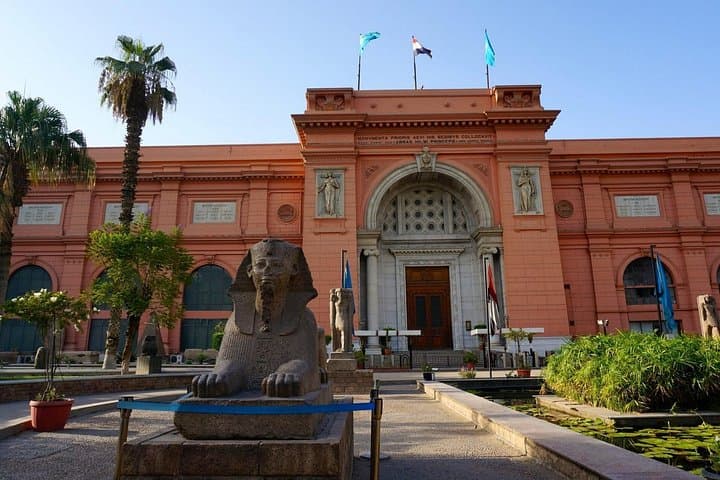
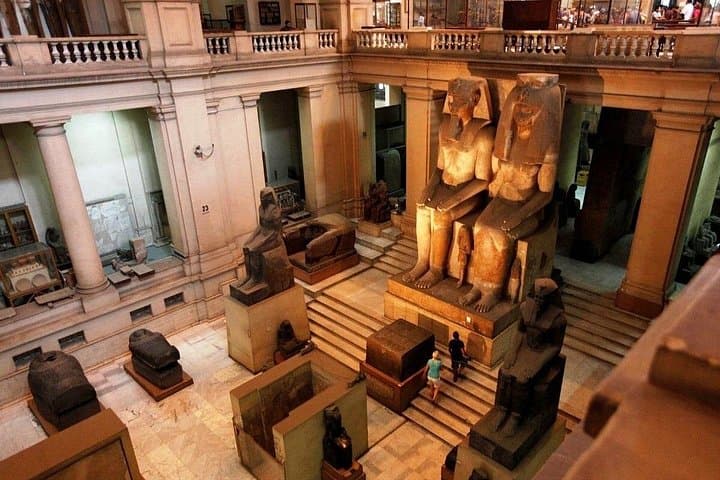
This four-day loop stitches modern Cairo to the ancient Theban landscape of Luxor. In Cairo you’ll move through millennia at the Egyptian Museum and under the shadow of the Great Pyramids, where funerary stones and royal geometry explain a civilization’s obsession with afterlife and alignment. Geologically, the Nile’s annual flood deposited the silt that made Egypt arable; culturally, that river became a road and a god. In Luxor, Karnak’s hypostyle hall and Hatshepsut’s terraced temple showcase New Kingdom ambition; the Valley of the Kings reveals tomb art preserved by the desert’s dry hush.
Expect long walking days on uneven stone, narrow tomb passages, and a two-hour domestic flight between cities. Local life threads through the itinerary—corniche cafes, mosque calls, market vendors—so bring patience and a willingness to move at local pace.
Practical tips: go early to major sites to avoid heat and crowds, wear closed shoes for uneven ground, carry sun protection and a refillable water bottle, and respect photography rules in tombs. The tour bundles guides, internal flights, select meals, and a Nile dinner cruise—so most logistics are handled; bring energy and curiosity for Egypt’s layered history.
Yes — entrance fees to the archaeological sites listed in the itinerary are included.
Yes — round-trip domestic flights between Cairo and Luxor are included in the package.
The tour is suitable for most ages, but many sites have uneven ground and stairs; travelers with limited mobility should consult the operator in advance for accommodations.
Dress modestly—shoulders and knees covered are recommended in cultural sites; breathable fabrics work best in heat.
Get Egypt Vacation operates guided outdoor trips and adventures with an emphasis on safety, stewardship, and memorable experiences.
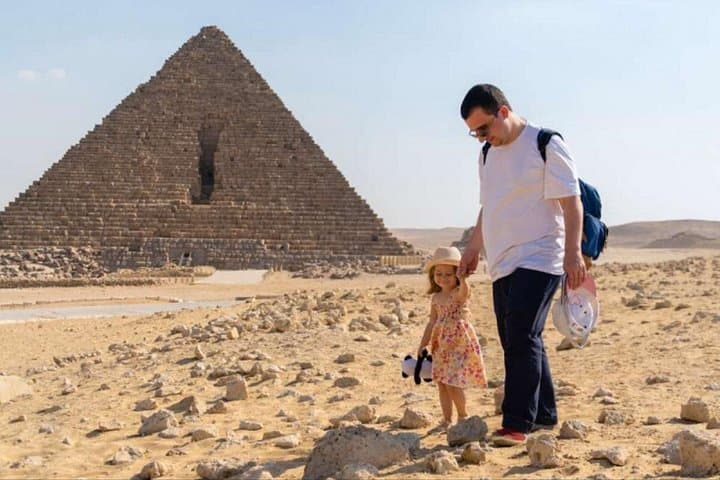
You step out of Cairo Airport into a warm, dust-tinged air that smells faintly of spices and petrol; the city hums and a private driver shepherds you straight to a five-star hotel for a night on the Nile. By morning the Giza plateau rises like a folded geography lesson—limestone faces catching light—while the Sphinx watches traffic and time with an unblinking patience.
You step out of Cairo Airport into a warm, dust-tinged air that smells faintly of spices and petrol; the city hums and a private driver shepherds you straight to a five-star hotel for a night on the Nile. By morning the Giza plateau rises like a folded geography lesson—limestone faces catching light—while the Sphinx watches traffic and time with an unblinking patience.
This four-day loop stitches modern Cairo to the ancient Theban landscape of Luxor. In Cairo you’ll move through millennia at the Egyptian Museum and under the shadow of the Great Pyramids, where funerary stones and royal geometry explain a civilization’s obsession with afterlife and alignment. Geologically, the Nile’s annual flood deposited the silt that made Egypt arable; culturally, that river became a road and a god. In Luxor, Karnak’s hypostyle hall and Hatshepsut’s terraced temple showcase New Kingdom ambition; the Valley of the Kings reveals tomb art preserved by the desert’s dry hush.
Expect long walking days on uneven stone, narrow tomb passages, and a two-hour domestic flight between cities. Local life threads through the itinerary—corniche cafes, mosque calls, market vendors—so bring patience and a willingness to move at local pace.
Practical tips: go early to major sites to avoid heat and crowds, wear closed shoes for uneven ground, carry sun protection and a refillable water bottle, and respect photography rules in tombs. The tour bundles guides, internal flights, select meals, and a Nile dinner cruise—so most logistics are handled; bring energy and curiosity for Egypt’s layered history.