THE ADVENTURE COLLECTIVE® · Independent discovery and booking for outdoor travel

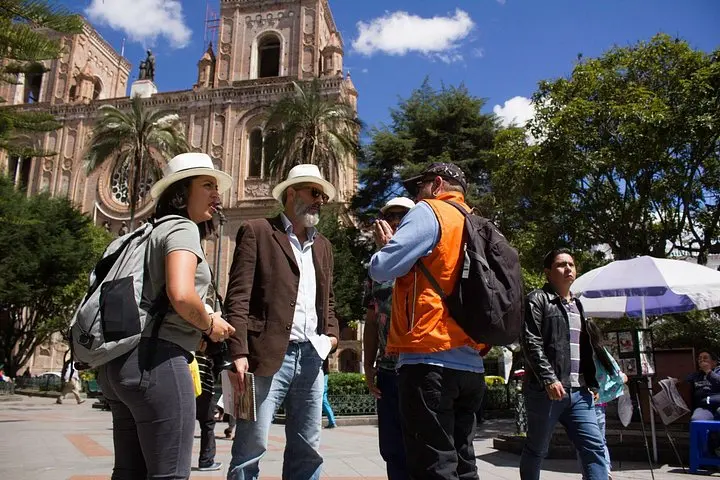
Spend a day trading high Andean lagoons and páramo for Cuenca’s colonial streets. This guided private tour pairs short hikes and wildlife watching in Cajas National Park with a curated city circuit including Parque Calderón, the cathedrals and local hat workshops.
Spend a day trading high Andean lagoons and páramo for Cuenca’s colonial streets. This guided private tour pairs short hikes and wildlife watching in Cajas National Park with a curated city circuit including Parque Calderón, the cathedrals and local hat workshops.
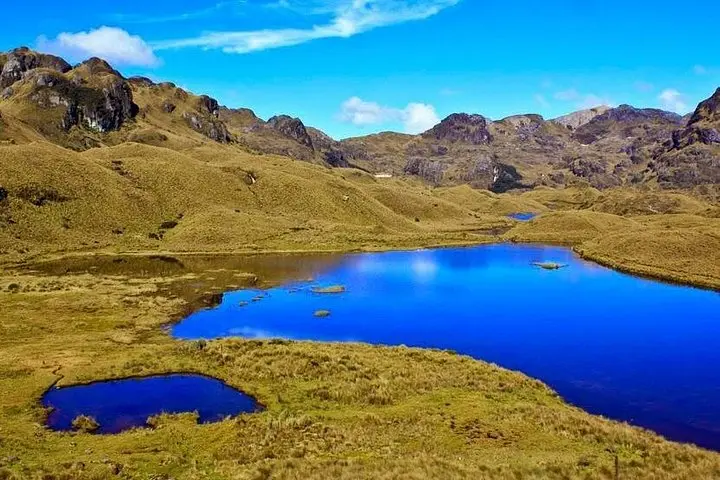
A thin Andean wind cuts across a grey-blue lake as you step out of the minivan — the high grass bends and the air tastes like rain. This one-day loop moves quickly from Cajas National Park’s high-altitude lagoons and páramo into the cobbled pulse of Cuenca, so expect sharp weather shifts and wide views between mountain basins and colonial facades.
Verified experiences and guided adventures in the surrounding area.
Operated by BM TOURS SA · Cuenca, Azuay
A thin Andean wind cuts across a grey-blue lake as you step out of the minivan — the high grass bends and the air tastes like rain. This one-day loop moves quickly from Cajas National Park’s high-altitude lagoons and páramo into the cobbled pulse of Cuenca, so expect sharp weather shifts and wide views between mountain basins and colonial facades.
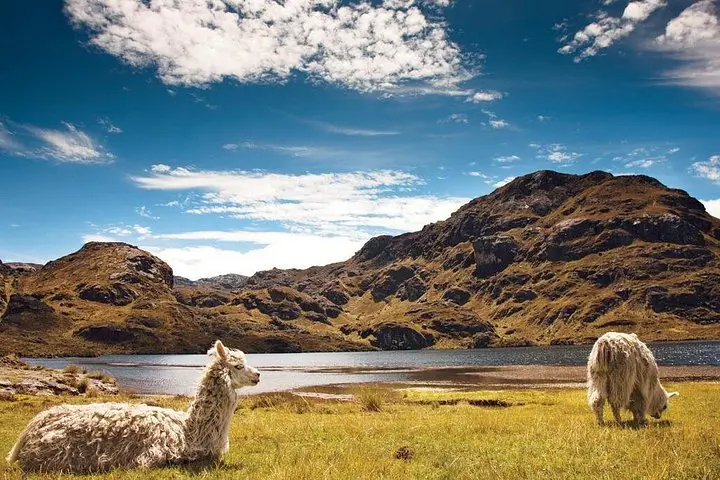
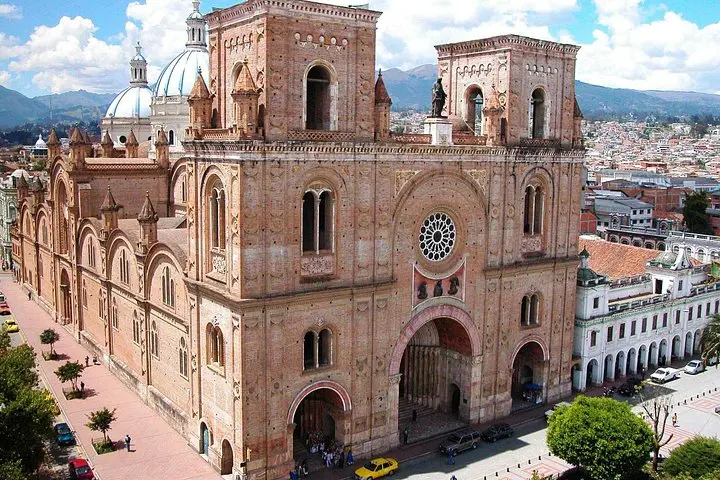
Cajas is a glacially carved landscape: hundreds of small lakes sitting in a skeleton of rounded ridges and peat bogs. The area has long been traversed by indigenous peoples and later by Spanish-era mule routes; today it’s protected as a national park to conserve fragile wetlands vital for downstream water supply. In Cuenca, colonial plazas, the twin cathedrals on Parque Calderón and the artisanal hat workshops of El Barranco give a quick cultural counterpoint to the high-mountain ecology.
On the trail you’ll likely walk short boardwalks and dirt tracks to viewpoints such as Laguna La Toreadora and the Llaviucu valley — expect uneven terrain, peat, and sudden drizzle. The itinerary packs about 7–8 hours of activity with guided transport, bilingual narration, and lunch back in town.
Practical guide: dress in warm, breathable layers and waterproof outerwear; bring 1–2 liters of water, sunscreen and cash for small entrance fees or souvenirs. Move deliberately at altitude, watch for boggy sections and keep to marked paths to limit erosion. The day blends birdwatching and alpine scenery with a concise introduction to Cuenca’s colonial heart — a compact highland sampler for one active day.
Lunch and bilingual guide service are included; specific park entrance fees may not be covered—bring small cash as noted by the operator.
Cajas sits between roughly 3,000–4,000 m; mild altitude effects are common—move slowly, hydrate, and inform the guide of any history of cardiac or respiratory issues.
The tour includes short to moderate walks (boardwalks and dirt trails to lagoons and viewpoints) rather than long summit hikes; be prepared for 30–90 minute sections on foot.
People of varying ages take this tour, but it’s not recommended for those with serious heart or spinal problems; the operator advises moderate fitness and mobility for safe participation.
BM TOURS SA operates guided outdoor trips and adventures with an emphasis on safety, stewardship, and memorable experiences.
A thin Andean wind cuts across a grey-blue lake as you step out of the minivan — the high grass bends and the air tastes like rain. This one-day loop moves quickly from Cajas National Park’s high-altitude lagoons and páramo into the cobbled pulse of Cuenca, so expect sharp weather shifts and wide views between mountain basins and colonial facades.
A thin Andean wind cuts across a grey-blue lake as you step out of the minivan — the high grass bends and the air tastes like rain. This one-day loop moves quickly from Cajas National Park’s high-altitude lagoons and páramo into the cobbled pulse of Cuenca, so expect sharp weather shifts and wide views between mountain basins and colonial facades.
Cajas is a glacially carved landscape: hundreds of small lakes sitting in a skeleton of rounded ridges and peat bogs. The area has long been traversed by indigenous peoples and later by Spanish-era mule routes; today it’s protected as a national park to conserve fragile wetlands vital for downstream water supply. In Cuenca, colonial plazas, the twin cathedrals on Parque Calderón and the artisanal hat workshops of El Barranco give a quick cultural counterpoint to the high-mountain ecology.
On the trail you’ll likely walk short boardwalks and dirt tracks to viewpoints such as Laguna La Toreadora and the Llaviucu valley — expect uneven terrain, peat, and sudden drizzle. The itinerary packs about 7–8 hours of activity with guided transport, bilingual narration, and lunch back in town.
Practical guide: dress in warm, breathable layers and waterproof outerwear; bring 1–2 liters of water, sunscreen and cash for small entrance fees or souvenirs. Move deliberately at altitude, watch for boggy sections and keep to marked paths to limit erosion. The day blends birdwatching and alpine scenery with a concise introduction to Cuenca’s colonial heart — a compact highland sampler for one active day.