THE ADVENTURE COLLECTIVE® · Independent discovery and booking for outdoor travel

Spend a single day trading city streets for high-altitude lakes: hike around La Toreadora in Cajas National Park, then return to Cuenca for a guided tour of the UNESCO-listed historic center and a visit to a Panama hat factory.
Spend a single day trading city streets for high-altitude lakes: hike around La Toreadora in Cajas National Park, then return to Cuenca for a guided tour of the UNESCO-listed historic center and a visit to a Panama hat factory.
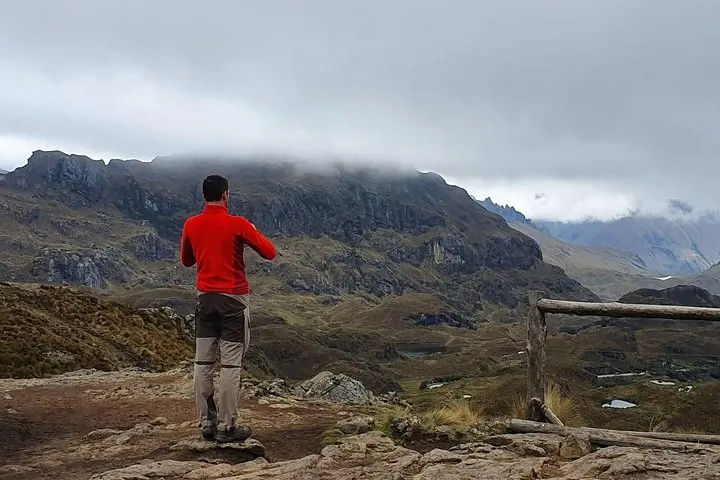
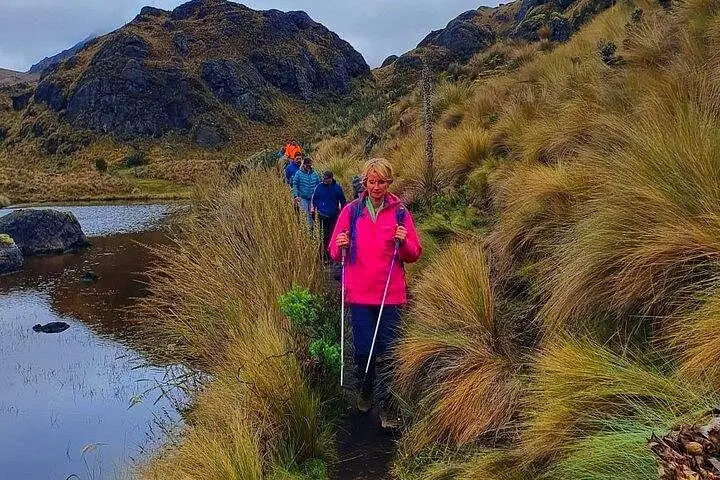
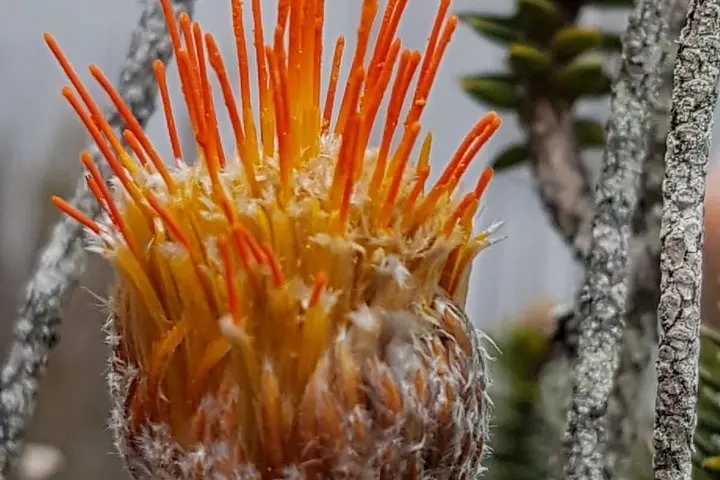
The day opens on a highland road where cloud and sky trade places over puna grass, the air sharp enough to make each breath feel deliberate. In under an hour the bus drops visitors at the La Toreadora sector of Parque Nacional Cajas; wind pushes across black mirror lakes and the trail climbs gently to reveal jagged hummocks and peat bogs dotted with cushion plants.
Verified experiences and guided adventures in the surrounding area.
Operated by Guide Ecuador Travel · Cuenca, Azuay
The day opens on a highland road where cloud and sky trade places over puna grass, the air sharp enough to make each breath feel deliberate. In under an hour the bus drops visitors at the La Toreadora sector of Parque Nacional Cajas; wind pushes across black mirror lakes and the trail climbs gently to reveal jagged hummocks and peat bogs dotted with cushion plants.
Cajas sits on páramo terrain carved by glacial action during the last ice age, leaving more than 230 glacial lakes framed by granite ridges. The park’s ecology feeds Cuenca’s cultural life: water from these highlands supplied pre-Columbian settlements and later colonial farms. Back in Cuenca — a UNESCO World Heritage city — colonial balconies and red-tile roofs open onto Calderón Park, the twin-steepled New Cathedral, and a market where local fruit and the finished Panama (straw) hats attest to regional craft traditions.
Practical guidance: expect thin air at roughly 11,000 ft around La Toreadora and up to 12,200 ft at Tres Cruces, so move deliberately and drink water. Trails are a mix of muddy, rocky and boardwalk; good hiking shoes and layered clothing matter. The timing fits a full 8-hour day: 2–4 hours of walking in Cajas and 2–3 hours touring Cuenca’s highlights, with time for a warm bowl of potato soup and a factory tour of hat weaving. Afternoon light is best for photos backlit on the lakes; mornings bring calmer winds. Pack sun protection, a rain layer, and allow extra time for acclimatization if you’ve recently descended from or arrived at sea level.
About 40–60 minutes depending on traffic and pickup location; the tour itinerary plans roughly 45 minutes each way.
Yes — the operator notes it’s suitable for all fitness levels, but consider altitude effects and discuss mobility needs with the guide before booking.
The tour does not automatically cancel for bad weather; the guide will adjust stops and hiking time for safety and visibility.
Guide Ecuador Travel operates guided outdoor trips and adventures with an emphasis on safety, stewardship, and memorable experiences.

The day opens on a highland road where cloud and sky trade places over puna grass, the air sharp enough to make each breath feel deliberate. In under an hour the bus drops visitors at the La Toreadora sector of Parque Nacional Cajas; wind pushes across black mirror lakes and the trail climbs gently to reveal jagged hummocks and peat bogs dotted with cushion plants.
The day opens on a highland road where cloud and sky trade places over puna grass, the air sharp enough to make each breath feel deliberate. In under an hour the bus drops visitors at the La Toreadora sector of Parque Nacional Cajas; wind pushes across black mirror lakes and the trail climbs gently to reveal jagged hummocks and peat bogs dotted with cushion plants.
Cajas sits on páramo terrain carved by glacial action during the last ice age, leaving more than 230 glacial lakes framed by granite ridges. The park’s ecology feeds Cuenca’s cultural life: water from these highlands supplied pre-Columbian settlements and later colonial farms. Back in Cuenca — a UNESCO World Heritage city — colonial balconies and red-tile roofs open onto Calderón Park, the twin-steepled New Cathedral, and a market where local fruit and the finished Panama (straw) hats attest to regional craft traditions.
Practical guidance: expect thin air at roughly 11,000 ft around La Toreadora and up to 12,200 ft at Tres Cruces, so move deliberately and drink water. Trails are a mix of muddy, rocky and boardwalk; good hiking shoes and layered clothing matter. The timing fits a full 8-hour day: 2–4 hours of walking in Cajas and 2–3 hours touring Cuenca’s highlights, with time for a warm bowl of potato soup and a factory tour of hat weaving. Afternoon light is best for photos backlit on the lakes; mornings bring calmer winds. Pack sun protection, a rain layer, and allow extra time for acclimatization if you’ve recently descended from or arrived at sea level.