THE ADVENTURE COLLECTIVE® · Independent discovery and booking for outdoor travel

Spend a full day hiking Cajas National Park from Cuenca with a local guide, crossing the continental divide, Polylepis groves and the Llaviuco cloud forest. Expect high-altitude lakes, variable weather and a trout lunch at a local stop.
Spend a full day hiking Cajas National Park from Cuenca with a local guide, crossing the continental divide, Polylepis groves and the Llaviuco cloud forest. Expect high-altitude lakes, variable weather and a trout lunch at a local stop.
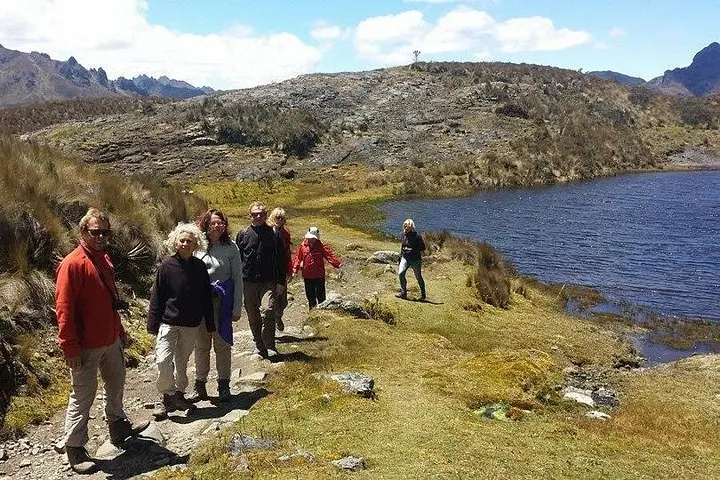
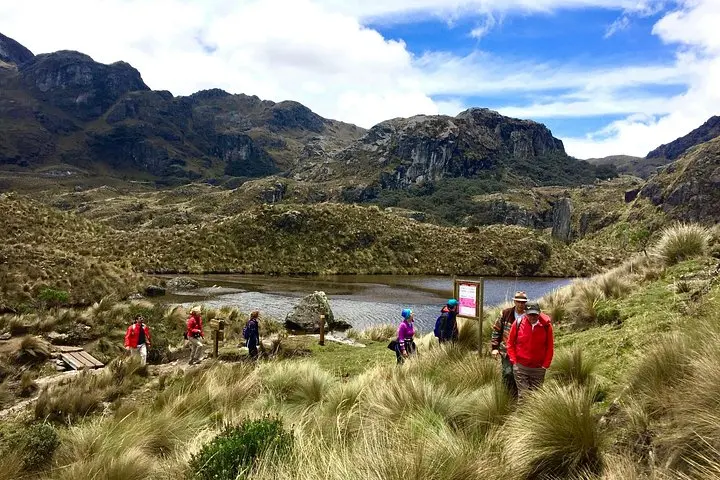
You step out of the van at the continental divide and the wind immediately changes the way the landscape speaks — one side shedding mist toward the Pacific, the other funneling water toward the Amazon basin. The trail from the Toreadora refuge opens onto peat-bog moorland and a scattering of clear glacial lakes; lakes that once fed ancient ice and now catch the highland light.
Verified experiences and guided adventures in the surrounding area.
Operated by Cuenca Bestours Tour Operator · Cuenca, Azuay
You step out of the van at the continental divide and the wind immediately changes the way the landscape speaks — one side shedding mist toward the Pacific, the other funneling water toward the Amazon basin. The trail from the Toreadora refuge opens onto peat-bog moorland and a scattering of clear glacial lakes; lakes that once fed ancient ice and now catch the highland light.
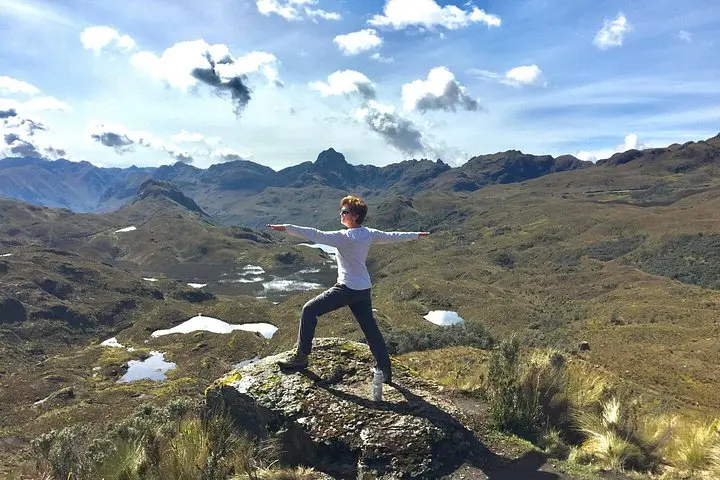
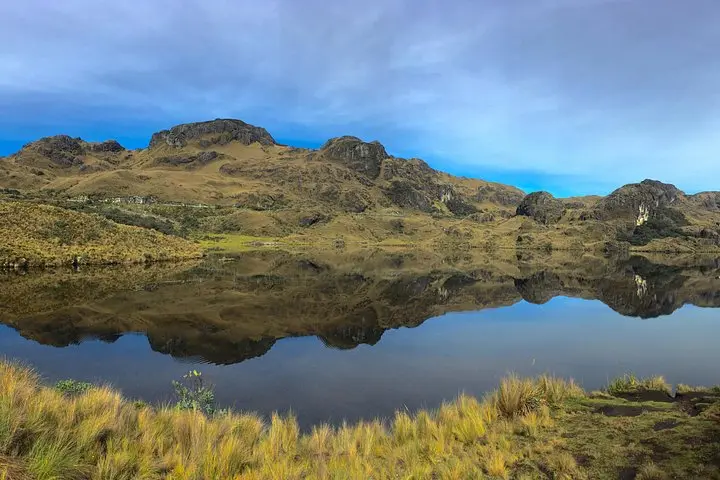
Cajas National Park is high Andean country: rock-carved basins, peat bogs, and the rare Polylepis forest — a crinkled, copper-barked tree that clings to altitude. The park’s roughly 768 lakes sit within a UNESCO Biosphere Reserve and a designated RAMSAR wetland; their geology is a story of glaciation and uplift, where water has carved shelves and hollows for millennia. Cultural threads run through the route too — local communities around Cuenca have long depended on these highland waters for trout farming and irrigation.
A guided route through Toreadora and down into the Llaviuco cloud forest offers contrast: open páramo that can be wind-scoured and sunny one minute, then a cool, bryophyte-draped forest the next. Wildlife is shy but present — hummingbirds, tanagers and, with luck, toucans in lower cloud corridors.
Practically: expect a full 7–8 hour day with variable footing — peat, rock, and forest roots — at elevations roughly 3,100–4,200 m. Layer for rapid weather changes, bring water and sun protection, and allow time to acclimatize to the altitude. The tour includes a naturalist guide, transportation from Cuenca and a local lunch, often featuring trout.
The day runs about 7–8 hours (420–480 minutes); exact pickup time from Cuenca is confirmed 24 hours before departure.
Not recommended for pregnant travelers; suitability for children depends on fitness and ability to handle high altitude and long days.
Wildlife sightings are possible — hummingbirds, tanagers and occasionally toucans in the lower cloud forest — but not guaranteed.
Lunch is included (often a local trout option); dietary needs like vegetarian or gluten-free can be requested at booking.
Cuenca Bestours Tour Operator operates guided outdoor trips and adventures with an emphasis on safety, stewardship, and memorable experiences.
You step out of the van at the continental divide and the wind immediately changes the way the landscape speaks — one side shedding mist toward the Pacific, the other funneling water toward the Amazon basin. The trail from the Toreadora refuge opens onto peat-bog moorland and a scattering of clear glacial lakes; lakes that once fed ancient ice and now catch the highland light.
You step out of the van at the continental divide and the wind immediately changes the way the landscape speaks — one side shedding mist toward the Pacific, the other funneling water toward the Amazon basin. The trail from the Toreadora refuge opens onto peat-bog moorland and a scattering of clear glacial lakes; lakes that once fed ancient ice and now catch the highland light.
Cajas National Park is high Andean country: rock-carved basins, peat bogs, and the rare Polylepis forest — a crinkled, copper-barked tree that clings to altitude. The park’s roughly 768 lakes sit within a UNESCO Biosphere Reserve and a designated RAMSAR wetland; their geology is a story of glaciation and uplift, where water has carved shelves and hollows for millennia. Cultural threads run through the route too — local communities around Cuenca have long depended on these highland waters for trout farming and irrigation.
A guided route through Toreadora and down into the Llaviuco cloud forest offers contrast: open páramo that can be wind-scoured and sunny one minute, then a cool, bryophyte-draped forest the next. Wildlife is shy but present — hummingbirds, tanagers and, with luck, toucans in lower cloud corridors.
Practically: expect a full 7–8 hour day with variable footing — peat, rock, and forest roots — at elevations roughly 3,100–4,200 m. Layer for rapid weather changes, bring water and sun protection, and allow time to acclimatize to the altitude. The tour includes a naturalist guide, transportation from Cuenca and a local lunch, often featuring trout.