THE ADVENTURE COLLECTIVE® · Independent discovery and booking for outdoor travel

Spend a focused half day exploring Cajas National Park’s high-Andean lakes, Polylepis forests and panoramic viewpoints on a guided hike from Cuenca. Expect high elevation, variable weather, and concise natural-history insights from a local guide.
Spend a focused half day exploring Cajas National Park’s high-Andean lakes, Polylepis forests and panoramic viewpoints on a guided hike from Cuenca. Expect high elevation, variable weather, and concise natural-history insights from a local guide.
A thin cold wind pushes across the puna as you step off the van into the Toreadora sector of Cajas National Park, more than 3,900 meters above sea level. The first view is a scatter of small glacial lakes — black mirrors edged with grass — and a ribbon of trail that threads through low shrubs and ancient Polylepis trunks. It’s the kind of landscape that keeps moving: water daring you to approach the shore, wind pushing your jacket against your ribs, a guide pointing out the hardiest plants.
Verified experiences and guided adventures in the surrounding area.
Operated by Polylepis Tours · Cuenca, Azuay
A thin cold wind pushes across the puna as you step off the van into the Toreadora sector of Cajas National Park, more than 3,900 meters above sea level. The first view is a scatter of small glacial lakes — black mirrors edged with grass — and a ribbon of trail that threads through low shrubs and ancient Polylepis trunks. It’s the kind of landscape that keeps moving: water daring you to approach the shore, wind pushing your jacket against your ribs, a guide pointing out the hardiest plants.
Geologically Cajas is carved from Pleistocene glaciation; moraine ridges hold hundreds of lagunas and the ground is peaty and water-rich. Culturally the park sits on ancestral Andean lands, historically used for grazing and medicinal plants, and today local guides connect visitors to both landscape and livelihood. Learn the names of highland flora and the role of páramo in feeding downstream water supplies.
Practically, this half-day tour from Cuenca runs about 4–5 hours including transport, with roughly 1.5 hours of walking on uneven trails up to 4,160 m at Tres Cruces viewpoint. Expect cool temperatures, fast-changing weather, and high UV. Bring layered insulation, waterproof shell, steady boots, and snacks. Walk at a measured pace to acclimatize; keep water handy and let your guide set the tempo. This trip is ideal for travelers short on time who want a concentrated dose of Andean ecology and wide alpine views without a full-day commitment.
The guided walk is about 1 to 1.5 hours in the Toreadora area, with time at viewpoints; total tour length including transport is roughly 4–5 hours.
Possibly—Toreadora sits near 3,960–4,160 m; shortness of breath and mild headache are common—move slowly, hydrate, and inform your guide of any symptoms.
Yes, the tour notes that fees and taxes are included in the booking price, along with hotel pickup and drop-off and a professional guide.
The terrain includes uneven, sometimes boggy ground and short climbs; not ideal for limited mobility or very young children—moderate fitness is recommended.
Polylepis Tours operates guided outdoor trips and adventures with an emphasis on safety, stewardship, and memorable experiences.
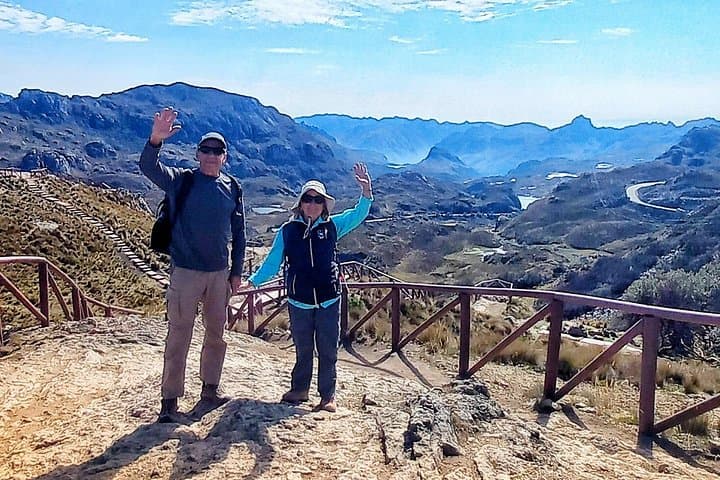
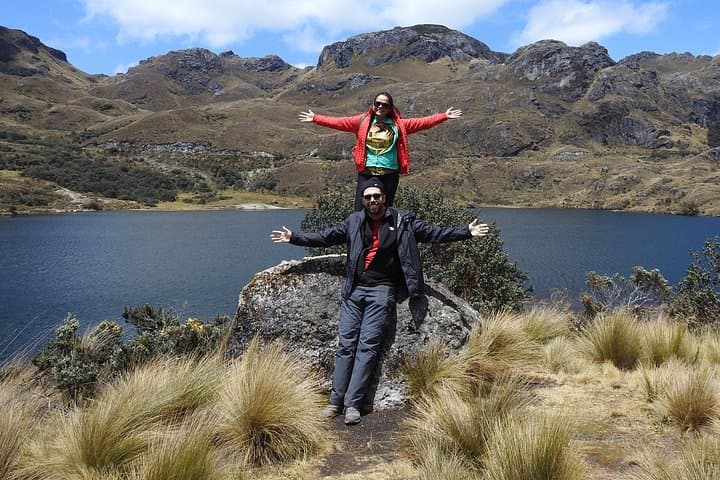
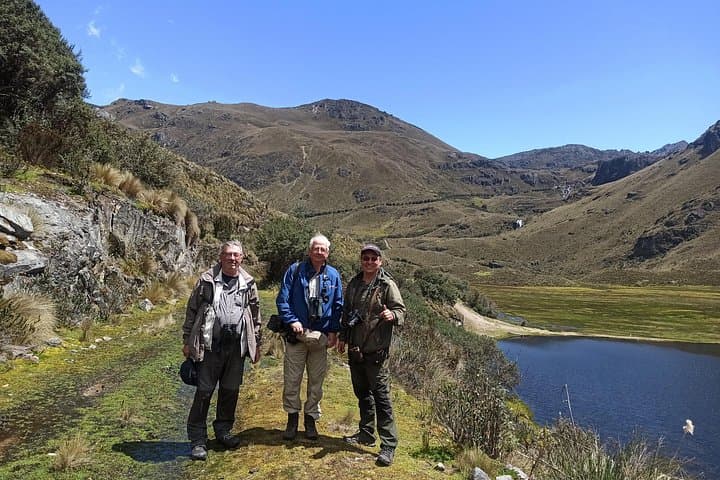
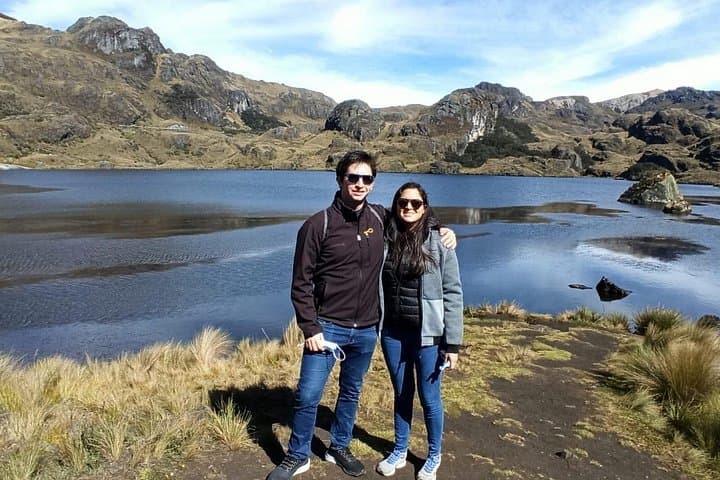
A thin cold wind pushes across the puna as you step off the van into the Toreadora sector of Cajas National Park, more than 3,900 meters above sea level. The first view is a scatter of small glacial lakes — black mirrors edged with grass — and a ribbon of trail that threads through low shrubs and ancient Polylepis trunks. It’s the kind of landscape that keeps moving: water daring you to approach the shore, wind pushing your jacket against your ribs, a guide pointing out the hardiest plants.
A thin cold wind pushes across the puna as you step off the van into the Toreadora sector of Cajas National Park, more than 3,900 meters above sea level. The first view is a scatter of small glacial lakes — black mirrors edged with grass — and a ribbon of trail that threads through low shrubs and ancient Polylepis trunks. It’s the kind of landscape that keeps moving: water daring you to approach the shore, wind pushing your jacket against your ribs, a guide pointing out the hardiest plants.
Geologically Cajas is carved from Pleistocene glaciation; moraine ridges hold hundreds of lagunas and the ground is peaty and water-rich. Culturally the park sits on ancestral Andean lands, historically used for grazing and medicinal plants, and today local guides connect visitors to both landscape and livelihood. Learn the names of highland flora and the role of páramo in feeding downstream water supplies.
Practically, this half-day tour from Cuenca runs about 4–5 hours including transport, with roughly 1.5 hours of walking on uneven trails up to 4,160 m at Tres Cruces viewpoint. Expect cool temperatures, fast-changing weather, and high UV. Bring layered insulation, waterproof shell, steady boots, and snacks. Walk at a measured pace to acclimatize; keep water handy and let your guide set the tempo. This trip is ideal for travelers short on time who want a concentrated dose of Andean ecology and wide alpine views without a full-day commitment.