THE ADVENTURE COLLECTIVE® · Independent discovery and booking for outdoor travel

A full-day trek from Mendoza or the Uco Valley into the Andean foothills, Cajón de los Arenales combines short high-altitude hiking with glacier-fed lagoons and views of Tupungato. Expect 3–4 hours on trail, a rocky finish, and possible condor sightings.
A full-day trek from Mendoza or the Uco Valley into the Andean foothills, Cajón de los Arenales combines short high-altitude hiking with glacier-fed lagoons and views of Tupungato. Expect 3–4 hours on trail, a rocky finish, and possible condor sightings.
You step out of the van where vineyards give way to scrub and the air sharpens with altitude.
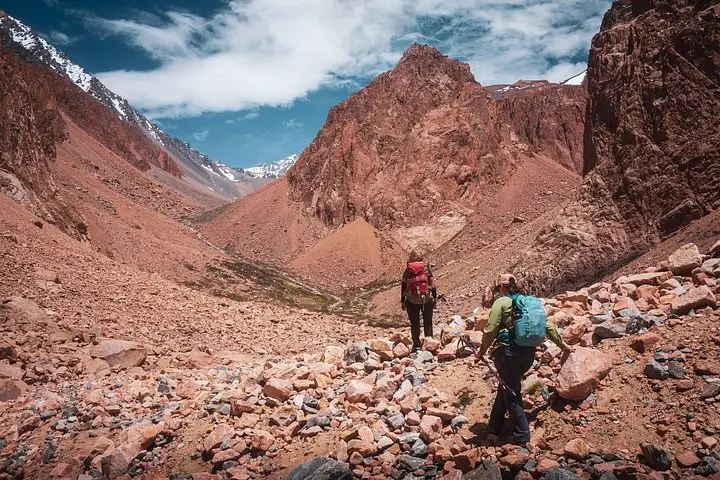
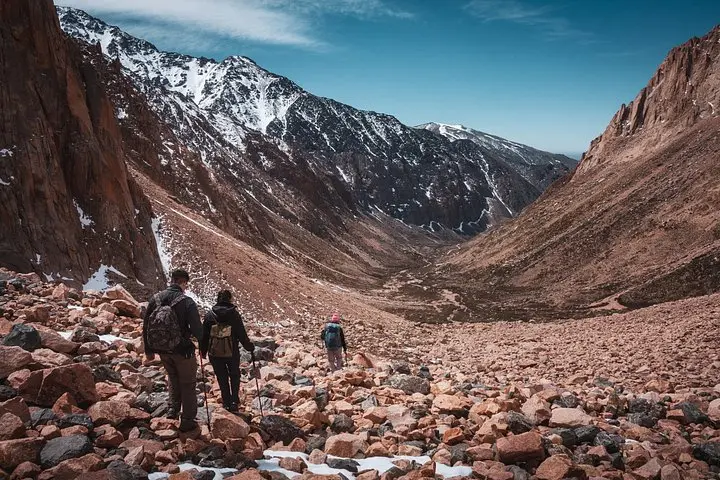
The trail climbs through open shrubland toward a narrow Andean gorge, and the wind pushes the sagebrush like an impatient guide. Ahead, the south face of El Plata and the bulk of Tupungato loom; the valley itself channels meltwater into a crystalline lagoon that catches the sky.
Verified experiences and guided adventures in the surrounding area.
Operated by Destino Montaña · Tunuyán, Mendoza
You step out of the van where vineyards give way to scrub and the air sharpens with altitude.
The trail climbs through open shrubland toward a narrow Andean gorge, and the wind pushes the sagebrush like an impatient guide. Ahead, the south face of El Plata and the bulk of Tupungato loom; the valley itself channels meltwater into a crystalline lagoon that catches the sky.
This one-day trek threads history and geology: Portillo de Piuquenes sits on routes used during General San Martín’s crossing of the Andes, and the valley’s rocks record uplift and glacial action that carved basins now filled by thaw. Local culture is vine and mountain—drivers pass small bodegas en route and the Tunuyán area still remembers mule tracks and seasonal highland shepherding.
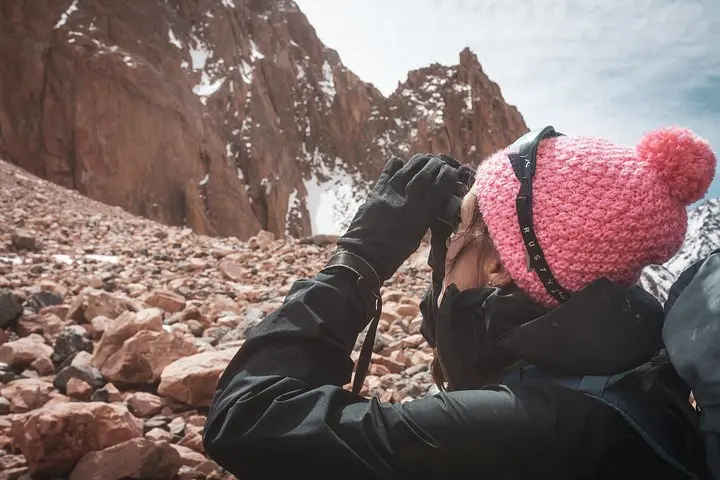
Expect a moderately demanding route. The core hike is 3–4 hours over arid high-altitude terrain with mostly shrub-steppe, then a short rocky scramble near the end to reach the lagoon. Wildlife is dramatic if brief—condors often wheel above, and small mammals and birds appear among the boulders.
Practical: start early to avoid afternoon sun, carry 2–3 liters of water, layered clothing for swings between warm valley sun and cool high-elevation breezes, and solid hiking boots for loose rock. Watch footing on the final rocky meters and give space to nesting birds. The reward is a quiet alpine pool and wide views—an Andean day that feels both remote and accessible.
The full-day experience is about 10 hours including vehicle transfers; expect roughly 3–4 hours of hiking on the trail itself.
It’s moderately demanding: beginners with a reasonable fitness level and proper footwear can complete it, but those with poor cardiovascular health or spine problems should avoid it.
The trek takes place in high foothills; some may notice shortness of breath or mild symptoms—move at a steady pace and hydrate to minimize effects.
Yes—Andean condors are often spotted circling above the valley, particularly in clear, wind-steady weather.
Destino Montaña operates guided outdoor trips and adventures with an emphasis on safety, stewardship, and memorable experiences.
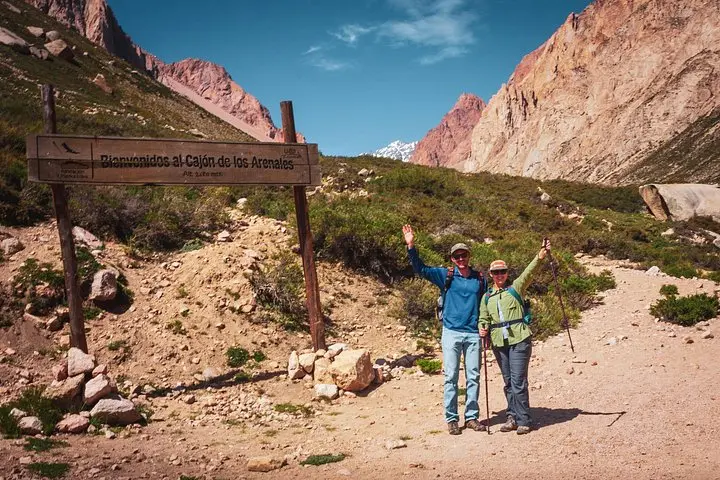
You step out of the van where vineyards give way to scrub and the air sharpens with altitude.
The trail climbs through open shrubland toward a narrow Andean gorge, and the wind pushes the sagebrush like an impatient guide. Ahead, the south face of El Plata and the bulk of Tupungato loom; the valley itself channels meltwater into a crystalline lagoon that catches the sky.
This one-day trek threads history and geology: Portillo de Piuquenes sits on routes used during General San Martín’s crossing of the Andes, and the valley’s rocks record uplift and glacial action that carved basins now filled by thaw. Local culture is vine and mountain—drivers pass small bodegas en route and the Tunuyán area still remembers mule tracks and seasonal highland shepherding.
Expect a moderately demanding route. The core hike is 3–4 hours over arid high-altitude terrain with mostly shrub-steppe, then a short rocky scramble near the end to reach the lagoon. Wildlife is dramatic if brief—condors often wheel above, and small mammals and birds appear among the boulders.
Practical: start early to avoid afternoon sun, carry 2–3 liters of water, layered clothing for swings between warm valley sun and cool high-elevation breezes, and solid hiking boots for loose rock. Watch footing on the final rocky meters and give space to nesting birds. The reward is a quiet alpine pool and wide views—an Andean day that feels both remote and accessible.