THE ADVENTURE COLLECTIVE® · Independent discovery and booking for outdoor travel

Drive through sculpted red canyons and spend a sunlit day tasting Torrontés and Malbec in Cafayate. This private full-day from Salta pairs dramatic geology with intimate winery visits and a traditional lunch.
Drive through sculpted red canyons and spend a sunlit day tasting Torrontés and Malbec in Cafayate. This private full-day from Salta pairs dramatic geology with intimate winery visits and a traditional lunch.
The morning light in Salta is thin and sharp; the city loosens its hold as the private vehicle threads Ruta 68 toward the Calchaquí Valley, and the landscape begins to change like a slow revelation. Red cliffs rise from scrubland, the Río de las Conchas carving a path that seems to dare travelers to look away. On a private full-day tour, the road becomes the first act—tight turns, sudden vistas and geological pages that unfold into Quebrada de las Conchas.
Verified experiences and guided adventures in the surrounding area.
Operated by taxiGo DMC · Cafayate, Salta
The morning light in Salta is thin and sharp; the city loosens its hold as the private vehicle threads Ruta 68 toward the Calchaquí Valley, and the landscape begins to change like a slow revelation. Red cliffs rise from scrubland, the Río de las Conchas carving a path that seems to dare travelers to look away. On a private full-day tour, the road becomes the first act—tight turns, sudden vistas and geological pages that unfold into Quebrada de las Conchas.
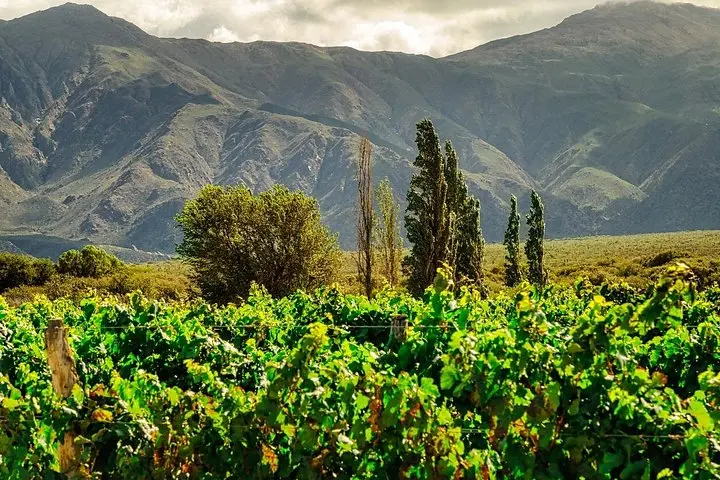
Quebrada de las Conchas is where the earth shows its handwriting: layered sandstone sculpted by wind and water into amphitheaters, spires and folding ridges whose colors shift with the sun. La Garganta del Diablo—literally the Devil’s Throat—announces itself with a narrow cut in the rock and a breeze that smells faintly of river and dust. These features are not just photo stops; they are the reason viticulture takes such a distinctive voice here. The arid soil, high altitude (Cafayate sits around 1,700 m), and wide diurnal swings coax grapes—especially torrontés and malbec—into bright aromatics and concentrated flavors.
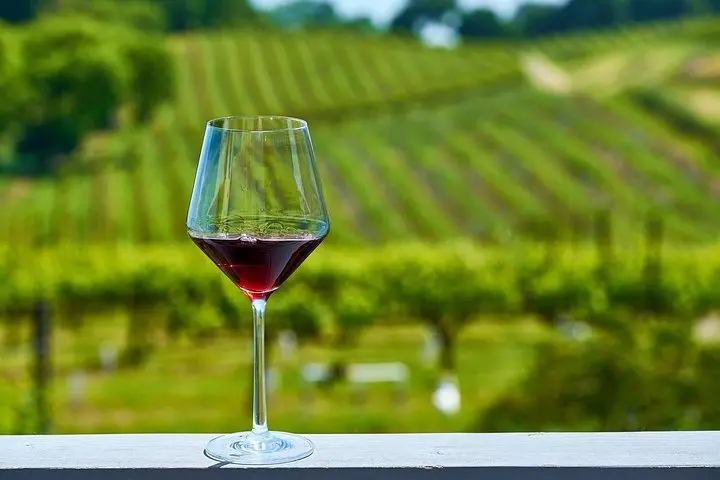
Cafayate’s wine history mixes indigenous knowledge with colonial practice. Spanish missionaries and local growers adapted techniques to the valley’s steep terraces and scarce water, producing a regional style now stewarded by boutique bodegas and experimental winemakers. Visits to two or three vineyards on a private itinerary let guests move from cellar tours to tasting rooms, where sommeliers untangle terroir, barrel aging and grape selection into approachable language.
Practicality shapes the day: expect a roughly 10-hour roundtrip from Salta with several stops for photos, a leisurely winery lunch and three tasting sessions. The vehicle is air-conditioned and private, pickup from your hotel is included, and the pace is accommodating for most fitness levels—short walks on vineyard terraces, flat cellar floors and easy viewpoints.
What to pack: sun protection and a light jacket for afternoon wind; water and sturdy shoes for uneven winery grounds. Respect the vineyards by sampling thoughtfully and asking about sustainable practices—many local producers employ drip irrigation and organic protocols to conserve scarce water. If you want quieter moments, ask the guide to linger at a lesser-known mirador or the town’s Museo de la Vid y el Vino.
By dusk the bus will hum back toward Salta, bottles and tasting notes in hand. The day reads like a focused education in place—rock and river shaping vines, vines shaping wine, and for a few hours, the valley answering with flavor and breadth.
The one-way drive is about 3 to 3.5 hours depending on stops; expect roughly 6–7 hours roundtrip including photo breaks.
Most wineries focus on torrontés and malbec; tastings usually include regional whites and reds plus an explanation of local terroir.
Yes—this private tour includes a traditional lunch paired with local wines at one of the selected vineyards.
Being a private tour, routes and durations can typically be adjusted—confirm preferences when booking, especially for slower or longer winery visits.
Yes—the driving and stops are family-friendly, though wine tastings are for adults; confirm child seats at booking if needed.
Inform the operator of any dietary needs when you book so the lunch can be adapted at the selected winery.
taxiGo DMC operates guided outdoor trips and adventures with an emphasis on safety, stewardship, and memorable experiences.


The morning light in Salta is thin and sharp; the city loosens its hold as the private vehicle threads Ruta 68 toward the Calchaquí Valley, and the landscape begins to change like a slow revelation. Red cliffs rise from scrubland, the Río de las Conchas carving a path that seems to dare travelers to look away. On a private full-day tour, the road becomes the first act—tight turns, sudden vistas and geological pages that unfold into Quebrada de las Conchas.
The morning light in Salta is thin and sharp; the city loosens its hold as the private vehicle threads Ruta 68 toward the Calchaquí Valley, and the landscape begins to change like a slow revelation. Red cliffs rise from scrubland, the Río de las Conchas carving a path that seems to dare travelers to look away. On a private full-day tour, the road becomes the first act—tight turns, sudden vistas and geological pages that unfold into Quebrada de las Conchas.
Quebrada de las Conchas is where the earth shows its handwriting: layered sandstone sculpted by wind and water into amphitheaters, spires and folding ridges whose colors shift with the sun. La Garganta del Diablo—literally the Devil’s Throat—announces itself with a narrow cut in the rock and a breeze that smells faintly of river and dust. These features are not just photo stops; they are the reason viticulture takes such a distinctive voice here. The arid soil, high altitude (Cafayate sits around 1,700 m), and wide diurnal swings coax grapes—especially torrontés and malbec—into bright aromatics and concentrated flavors.
Cafayate’s wine history mixes indigenous knowledge with colonial practice. Spanish missionaries and local growers adapted techniques to the valley’s steep terraces and scarce water, producing a regional style now stewarded by boutique bodegas and experimental winemakers. Visits to two or three vineyards on a private itinerary let guests move from cellar tours to tasting rooms, where sommeliers untangle terroir, barrel aging and grape selection into approachable language.
Practicality shapes the day: expect a roughly 10-hour roundtrip from Salta with several stops for photos, a leisurely winery lunch and three tasting sessions. The vehicle is air-conditioned and private, pickup from your hotel is included, and the pace is accommodating for most fitness levels—short walks on vineyard terraces, flat cellar floors and easy viewpoints.
What to pack: sun protection and a light jacket for afternoon wind; water and sturdy shoes for uneven winery grounds. Respect the vineyards by sampling thoughtfully and asking about sustainable practices—many local producers employ drip irrigation and organic protocols to conserve scarce water. If you want quieter moments, ask the guide to linger at a lesser-known mirador or the town’s Museo de la Vid y el Vino.
By dusk the bus will hum back toward Salta, bottles and tasting notes in hand. The day reads like a focused education in place—rock and river shaping vines, vines shaping wine, and for a few hours, the valley answering with flavor and breadth.