THE ADVENTURE COLLECTIVE® · Independent discovery and booking for outdoor travel

Spend a day in the Camargue exploring the salt pans of Aigues-Mortes, spotting flamingos among pink shallows, and visiting Saintes-Maries-de-la-Mer. This small-group tour combines easy walks, a scenic train ride across the marshes, and a climb up the Carbonnière Tower for wide delta views.
Spend a day in the Camargue exploring the salt pans of Aigues-Mortes, spotting flamingos among pink shallows, and visiting Saintes-Maries-de-la-Mer. This small-group tour combines easy walks, a scenic train ride across the marshes, and a climb up the Carbonnière Tower for wide delta views.
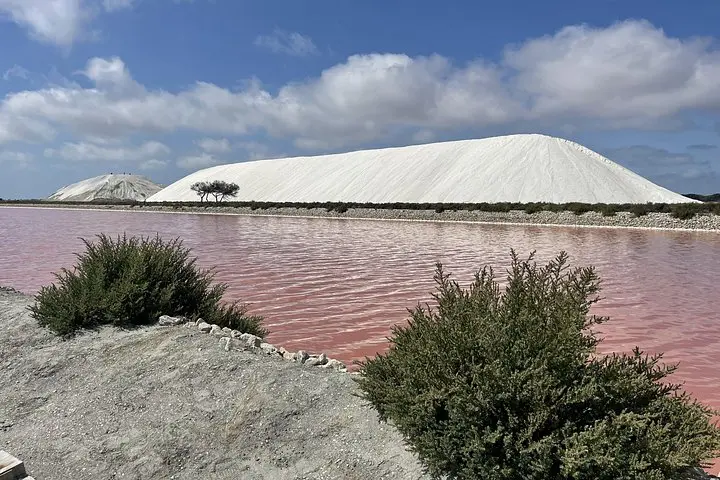
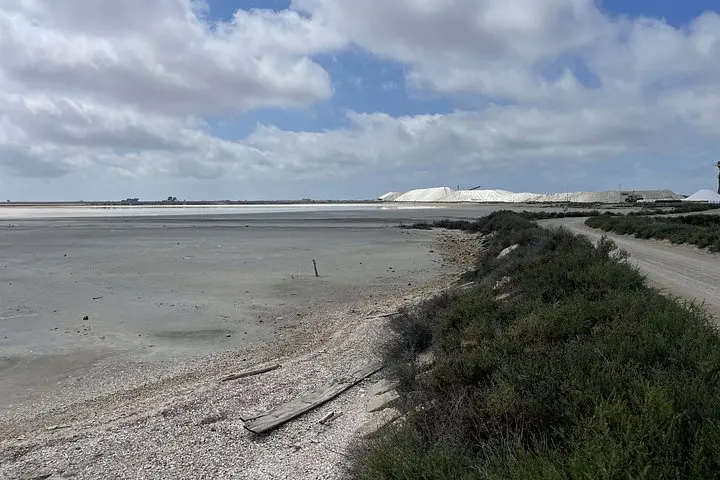
You step off the air-conditioned minibus into a saline light that seems to make color louder: shallow pans flare pink, rails of salt rim the water, and flamingos preen with a deliberate elegance. The little open train creaks past mosaic ponds while the wind off the Rhône delta ruffles the reeds—this is the Camargue, raw at sea level and surprising in scale.
Verified experiences and guided adventures in the surrounding area.
Operated by WISUD · Aigues-Mortes, Occitanie
You step off the air-conditioned minibus into a saline light that seems to make color louder: shallow pans flare pink, rails of salt rim the water, and flamingos preen with a deliberate elegance. The little open train creaks past mosaic ponds while the wind off the Rhône delta ruffles the reeds—this is the Camargue, raw at sea level and surprising in scale.
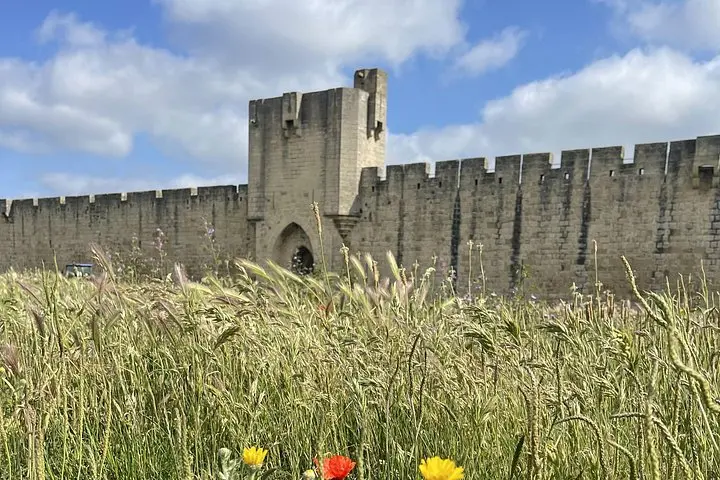
Human hands have shaped this landscape for centuries. Aigues-Mortes, ringed by 13th-century ramparts and the solitary Constance Tower, grew around medieval salt and pilgrimage routes. Geologically, the Camargue is a young alluvial plain—marshes, lagoons and saltworks built where the Rhône once spread. Local culture mixes Provençal village life with ranching traditions; the region is known for its white Camargue horses and gardians (cowboys).
On this full-day loop expect easy, mostly flat walking—short boardwalks and packed paths through salt pans and reedbeds, with one stair climb up the Carbonnière Tower for expansive views. Birdwatching is the purpose: flamingos, avocets and herons concentrate in shallow pools; bring binoculars and a quiet pace. Midday light turns pools electric; mornings and late afternoons are best for active birds.
Practical guide: the tour runs about 8 hours from Montpellier, small group size, and includes a guide and transfers in an air-conditioned vehicle. Wear sturdy walking shoes that can get dusty, sun protection, and a wind layer; bring water and a picnic for the Parc de la Scamandre stop. Respect marked paths near nesting areas and follow your guide—this fragile delta is as easily damaged as it is beautiful.
No species can be guaranteed, but the Camargue hosts large flocks year-round; sightings are most likely at shallow salt pans during feeding times.
The tour is family-friendly, but some sections (boardwalks, stairs to the Carbonnière Tower) are not stroller-friendly—infant seats are available on the vehicle.
Transport, guide, and entrance to some sites are included; bring water, sun protection, and a picnic if you prefer not to buy lunch in town.
Aigues-Mortes center and many saltwork viewpoints are accessible, but some marsh paths and the Carbonnière Tower involve steps or uneven surfaces—check with the operator for specific accommodations.
WISUD operates guided outdoor trips and adventures with an emphasis on safety, stewardship, and memorable experiences.
You step off the air-conditioned minibus into a saline light that seems to make color louder: shallow pans flare pink, rails of salt rim the water, and flamingos preen with a deliberate elegance. The little open train creaks past mosaic ponds while the wind off the Rhône delta ruffles the reeds—this is the Camargue, raw at sea level and surprising in scale.
You step off the air-conditioned minibus into a saline light that seems to make color louder: shallow pans flare pink, rails of salt rim the water, and flamingos preen with a deliberate elegance. The little open train creaks past mosaic ponds while the wind off the Rhône delta ruffles the reeds—this is the Camargue, raw at sea level and surprising in scale.
Human hands have shaped this landscape for centuries. Aigues-Mortes, ringed by 13th-century ramparts and the solitary Constance Tower, grew around medieval salt and pilgrimage routes. Geologically, the Camargue is a young alluvial plain—marshes, lagoons and saltworks built where the Rhône once spread. Local culture mixes Provençal village life with ranching traditions; the region is known for its white Camargue horses and gardians (cowboys).
On this full-day loop expect easy, mostly flat walking—short boardwalks and packed paths through salt pans and reedbeds, with one stair climb up the Carbonnière Tower for expansive views. Birdwatching is the purpose: flamingos, avocets and herons concentrate in shallow pools; bring binoculars and a quiet pace. Midday light turns pools electric; mornings and late afternoons are best for active birds.
Practical guide: the tour runs about 8 hours from Montpellier, small group size, and includes a guide and transfers in an air-conditioned vehicle. Wear sturdy walking shoes that can get dusty, sun protection, and a wind layer; bring water and a picnic for the Parc de la Scamandre stop. Respect marked paths near nesting areas and follow your guide—this fragile delta is as easily damaged as it is beautiful.